Monterey Raptors
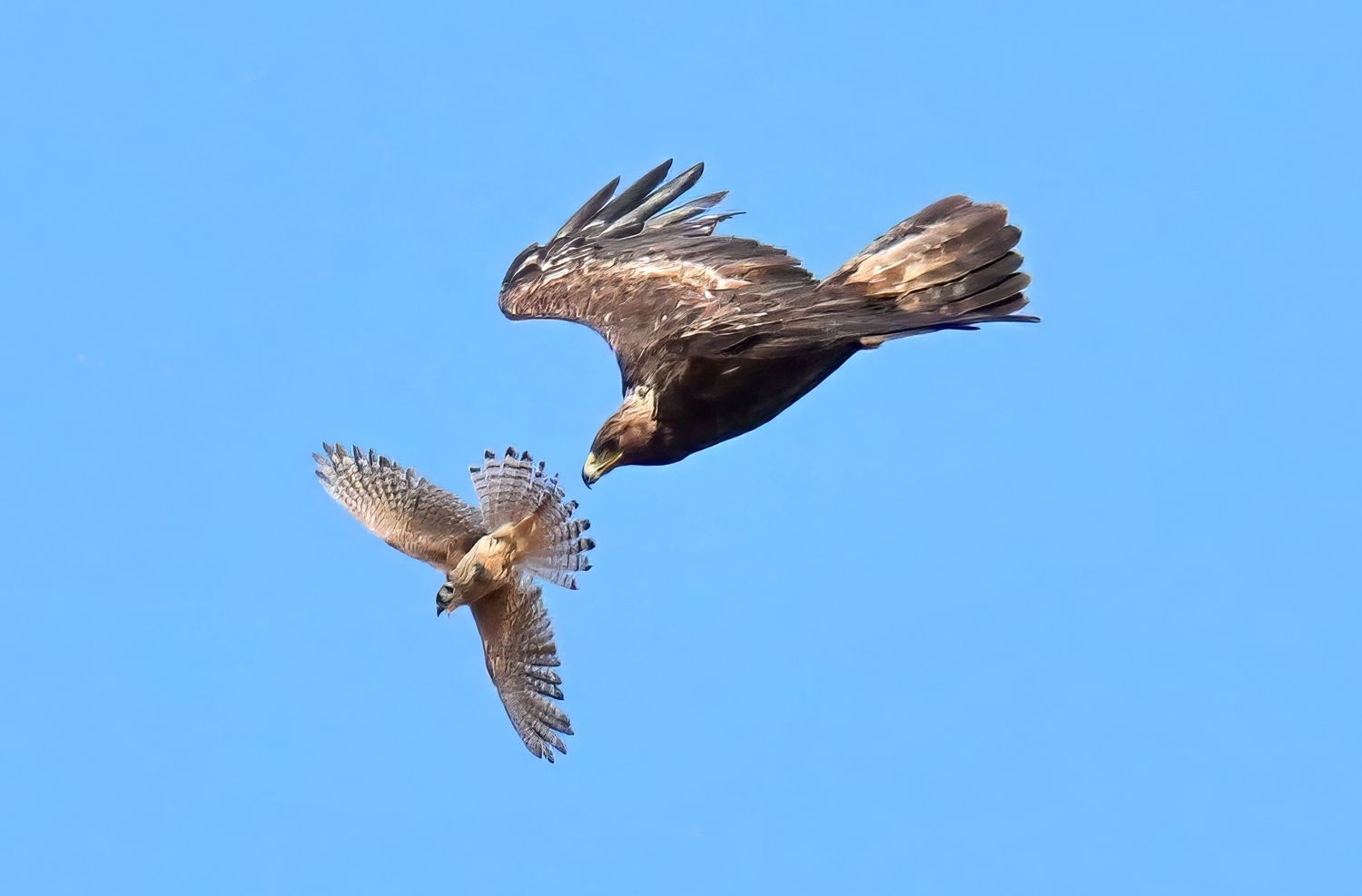

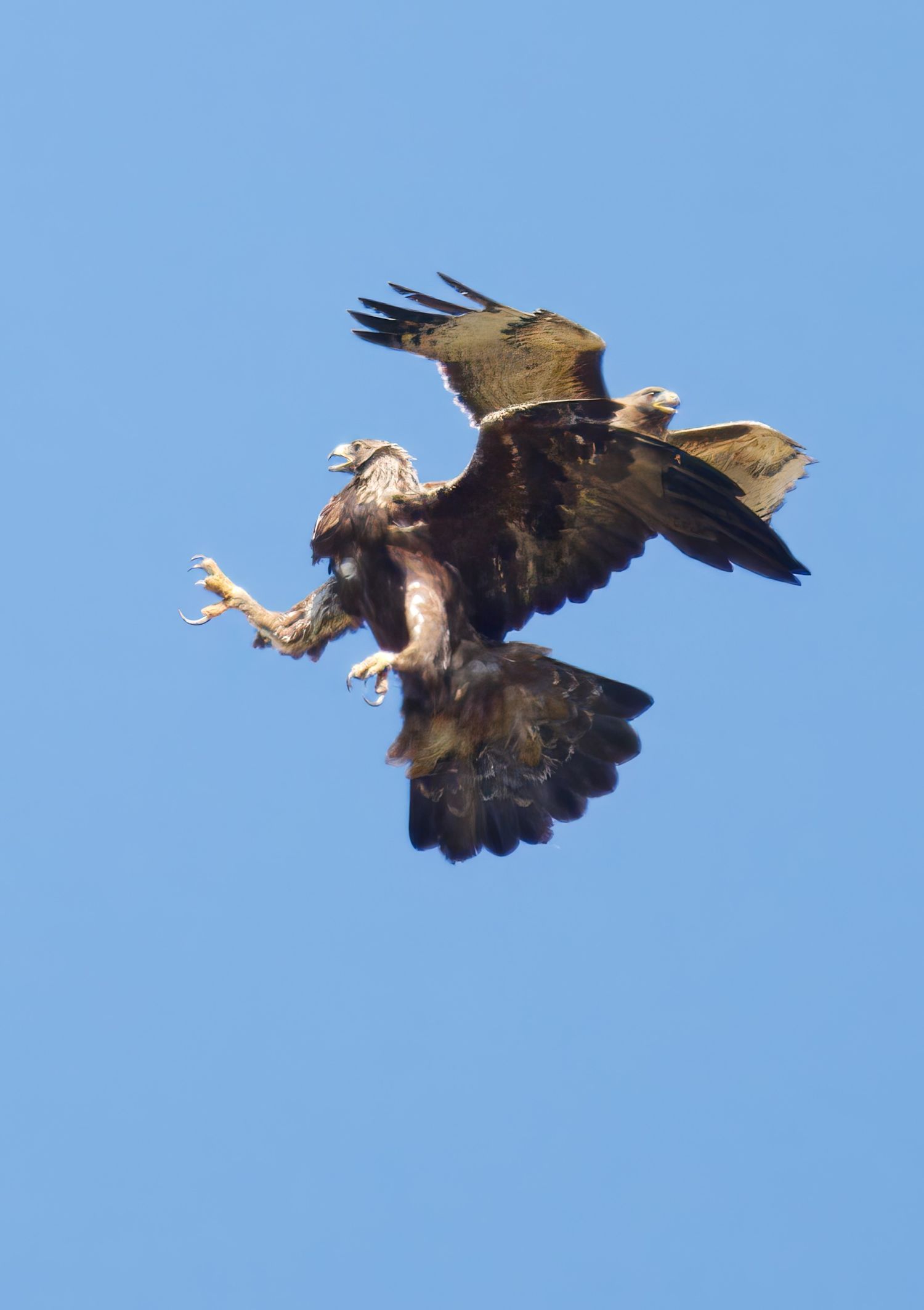
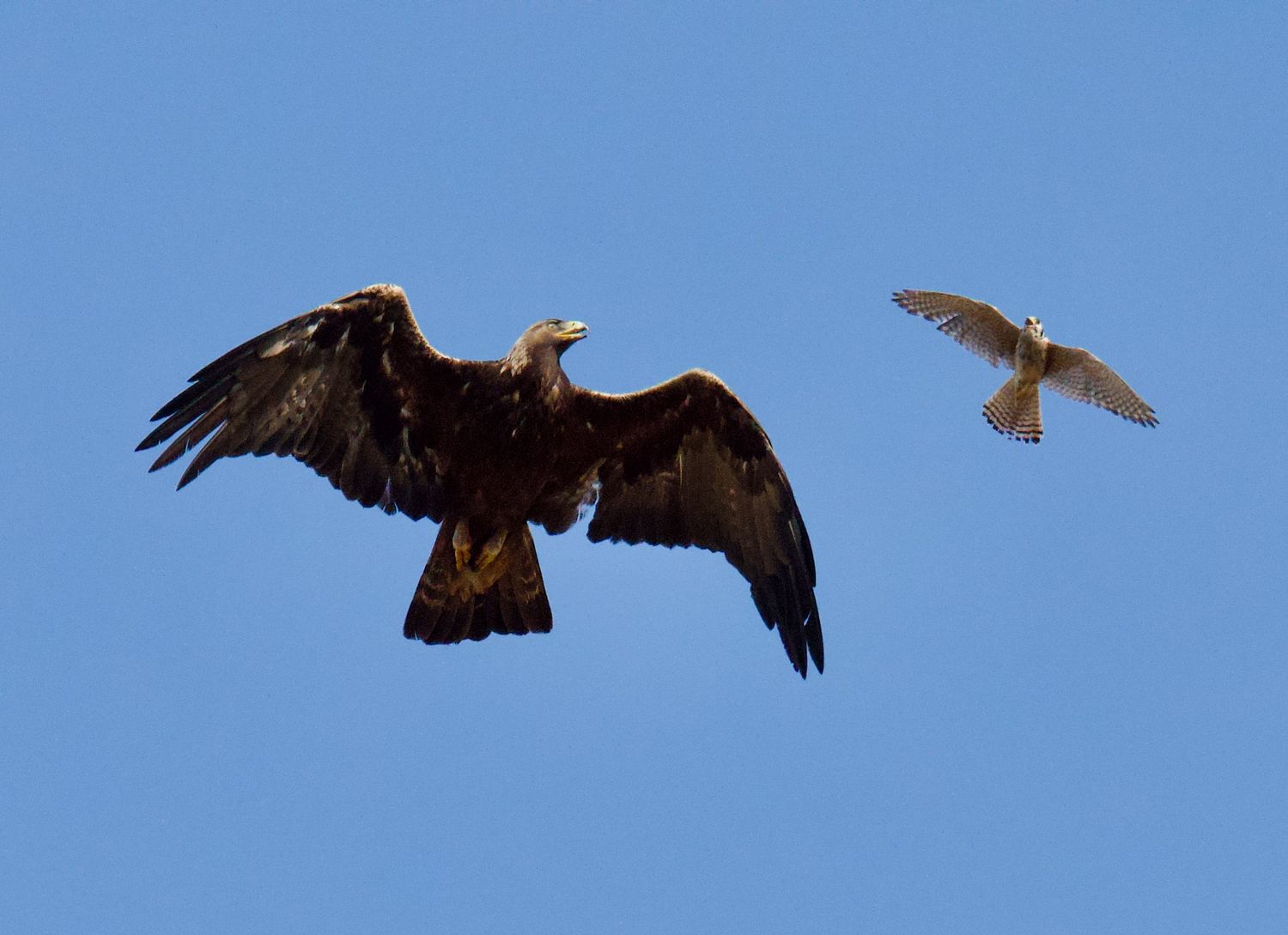
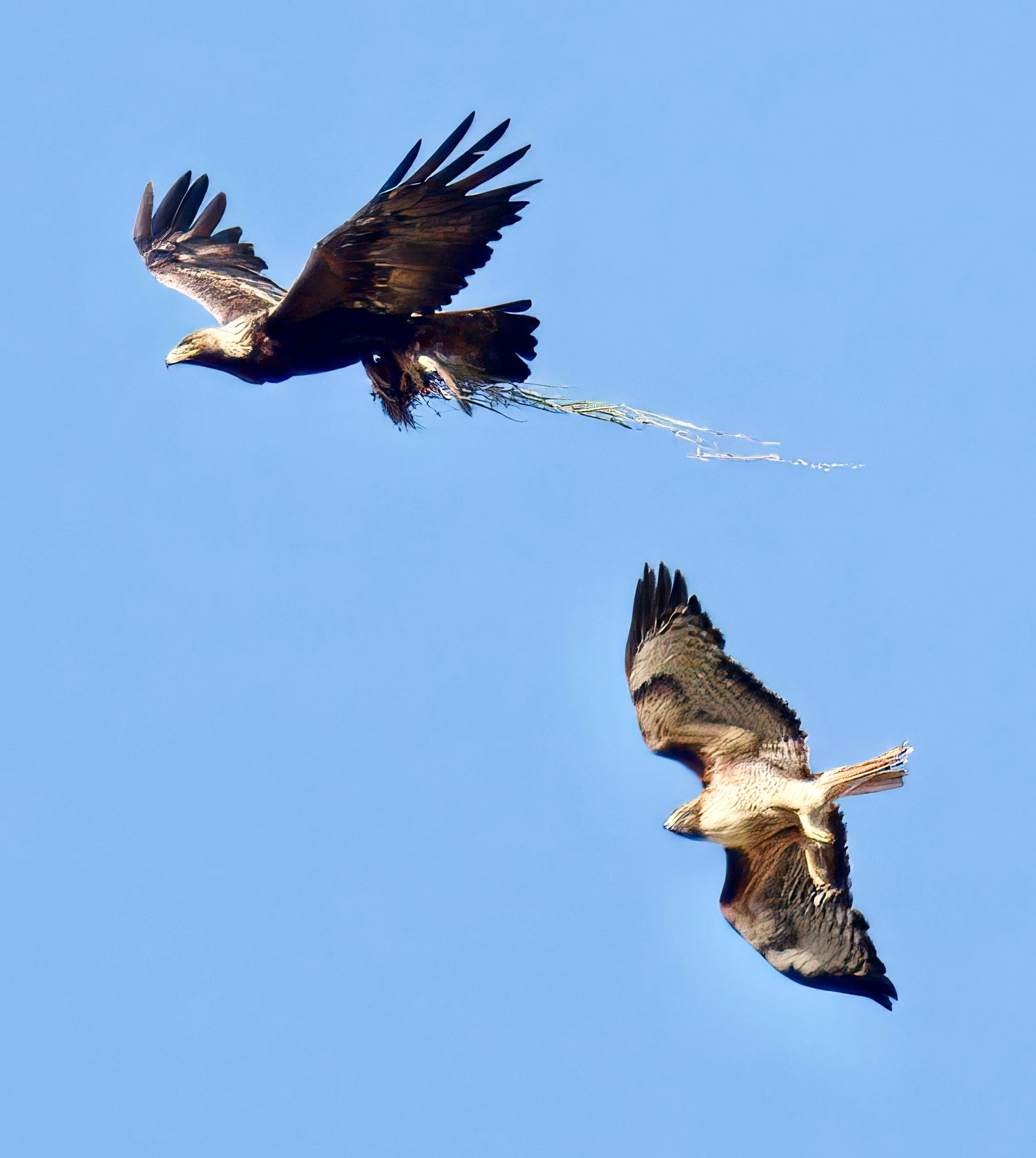
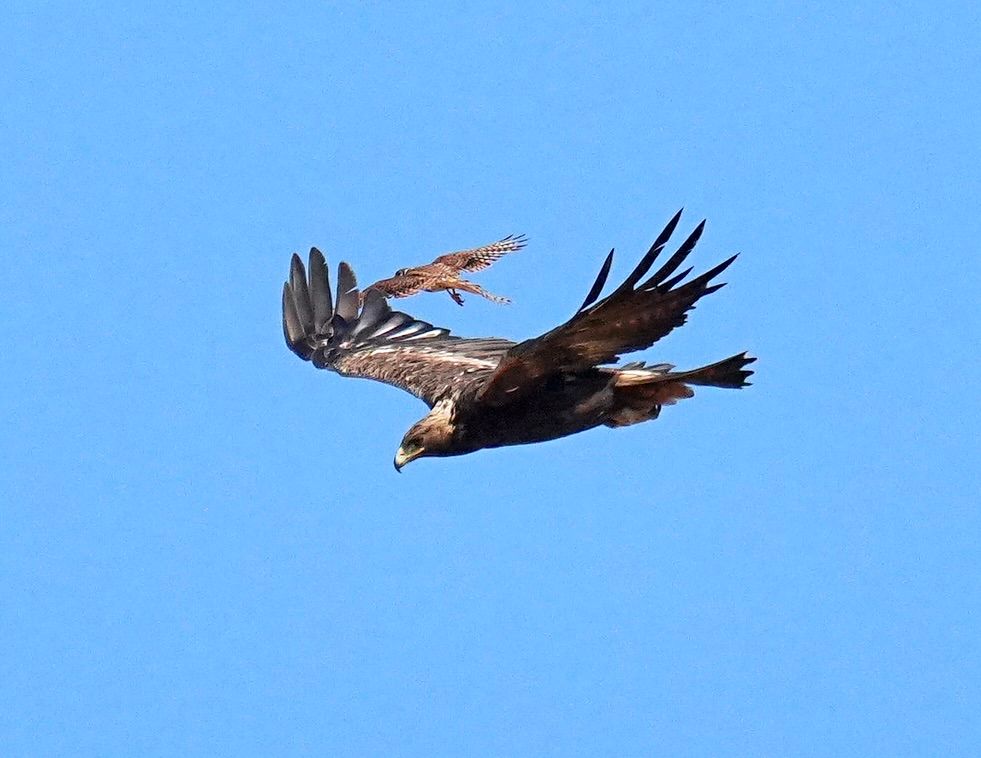
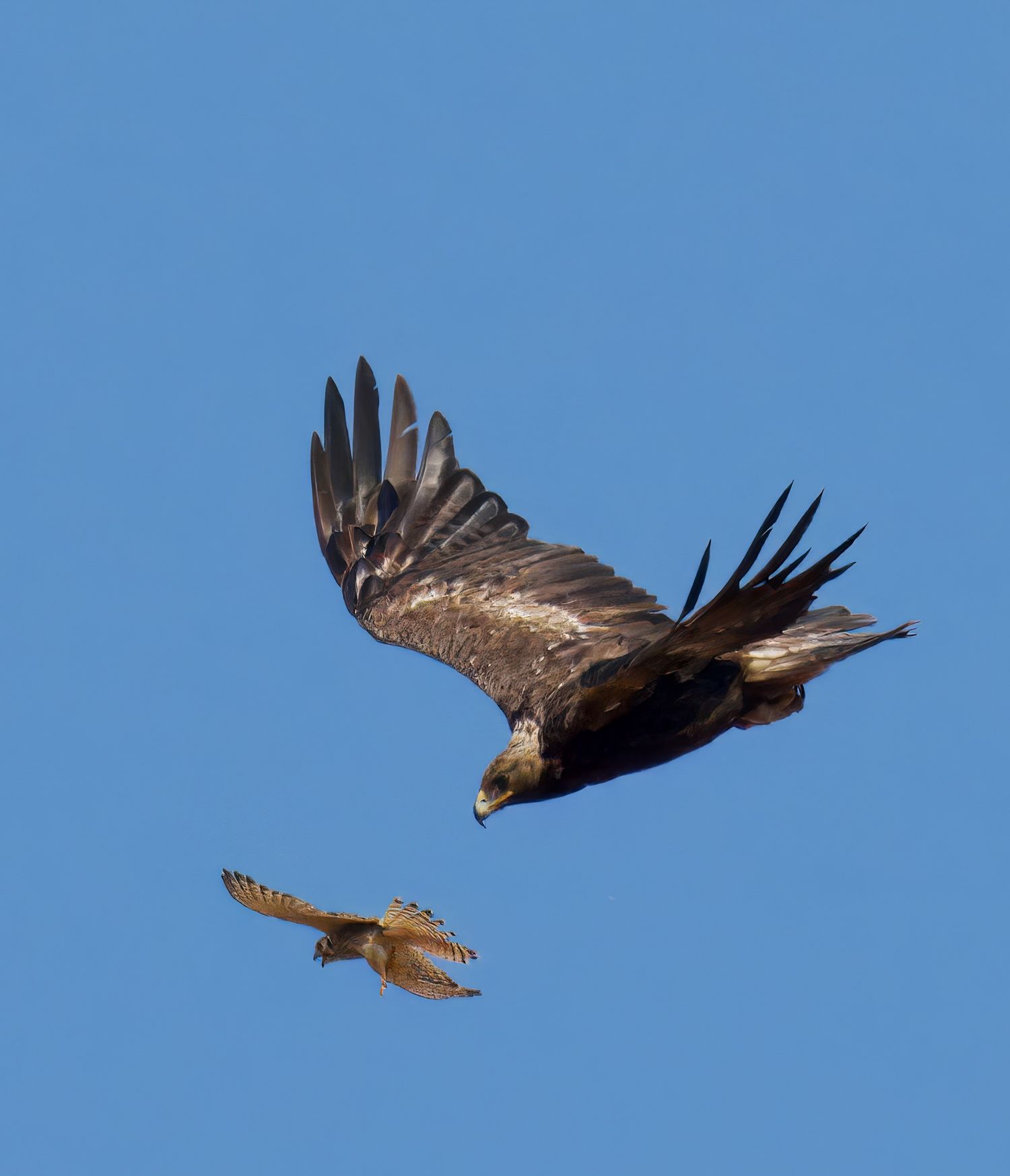
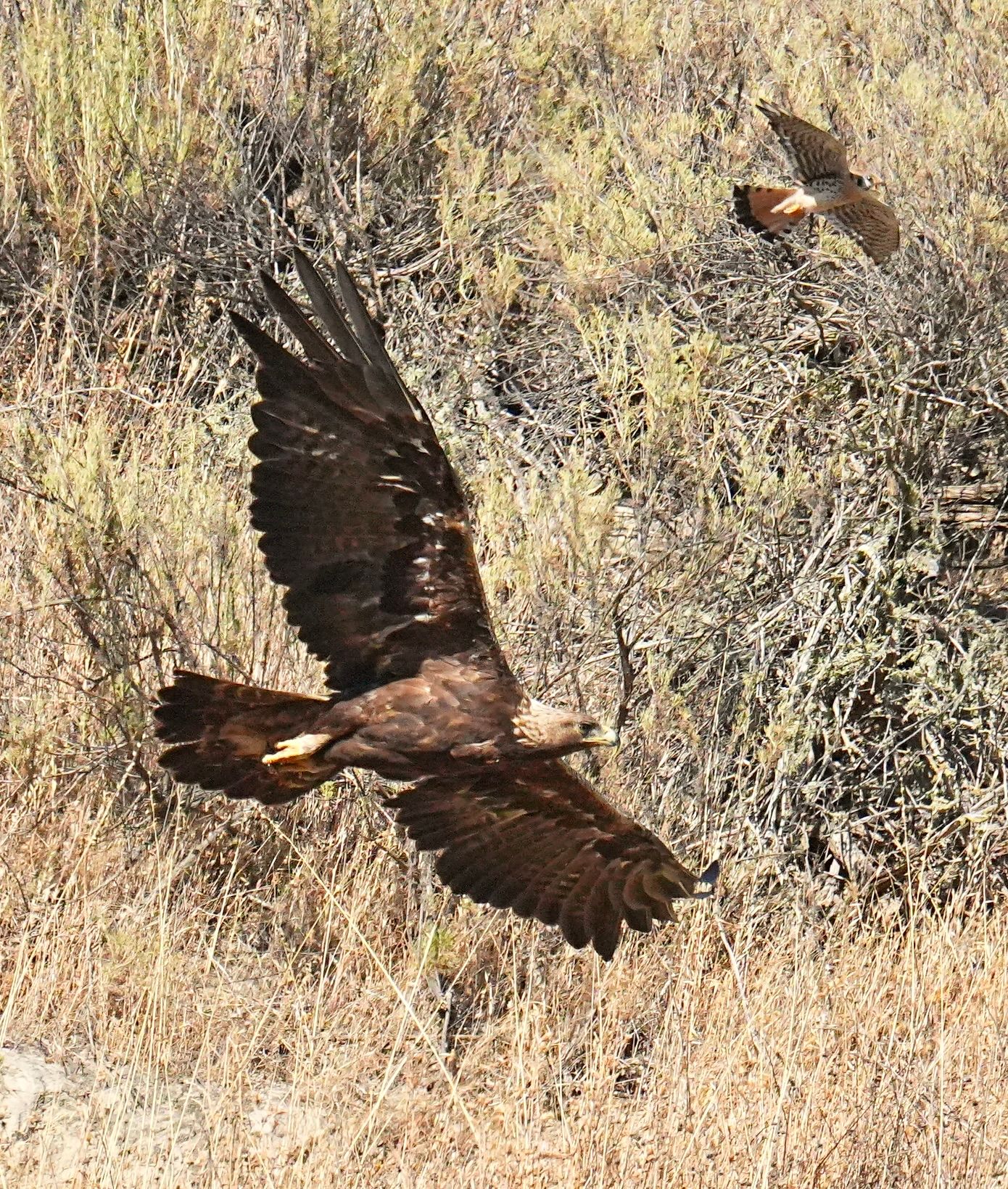
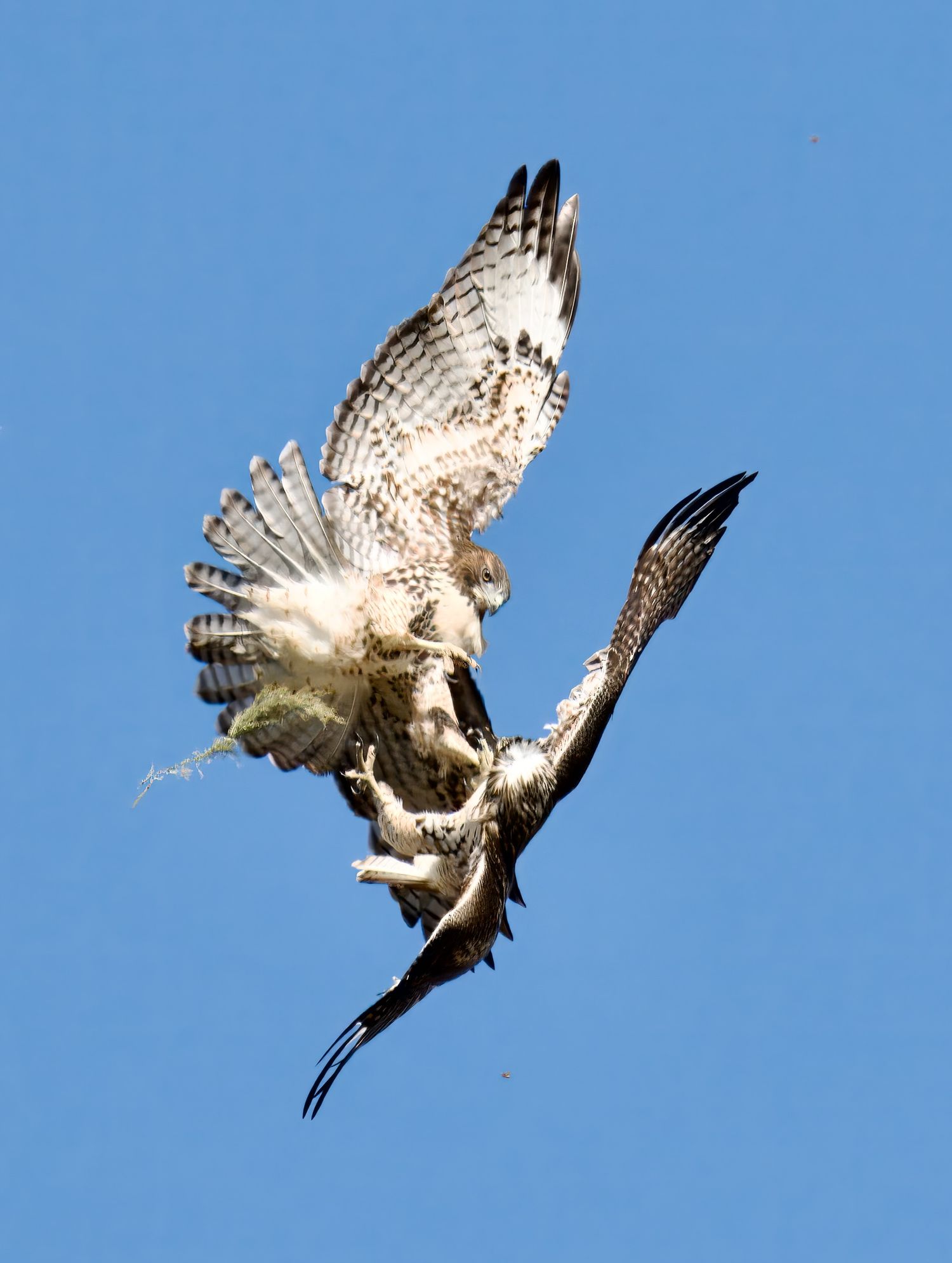
After relentless harassment of North America's most formidable raptor, the Kestrel finds herself tables turned-at the pointy end of the Golden Eagle.
This website chronicles the last year and a half photographing birds of prey in the coastal sage, grasslands, and oak woodlands of the Monterey area uplands. My hope is to spark interest in the conservation of these amazing creatures, and the wild spaces they rely on. All observations are my own.
These photographs are free to download for educational or personal digital sharing, providing clear credit is given to the photographer (JH Kilbuck). In lieu of payment, please consider making a donation to the local SPCA Wildlife Rehabilitation Center, Monterey Audubon, on an animal rescue group of your choosing.
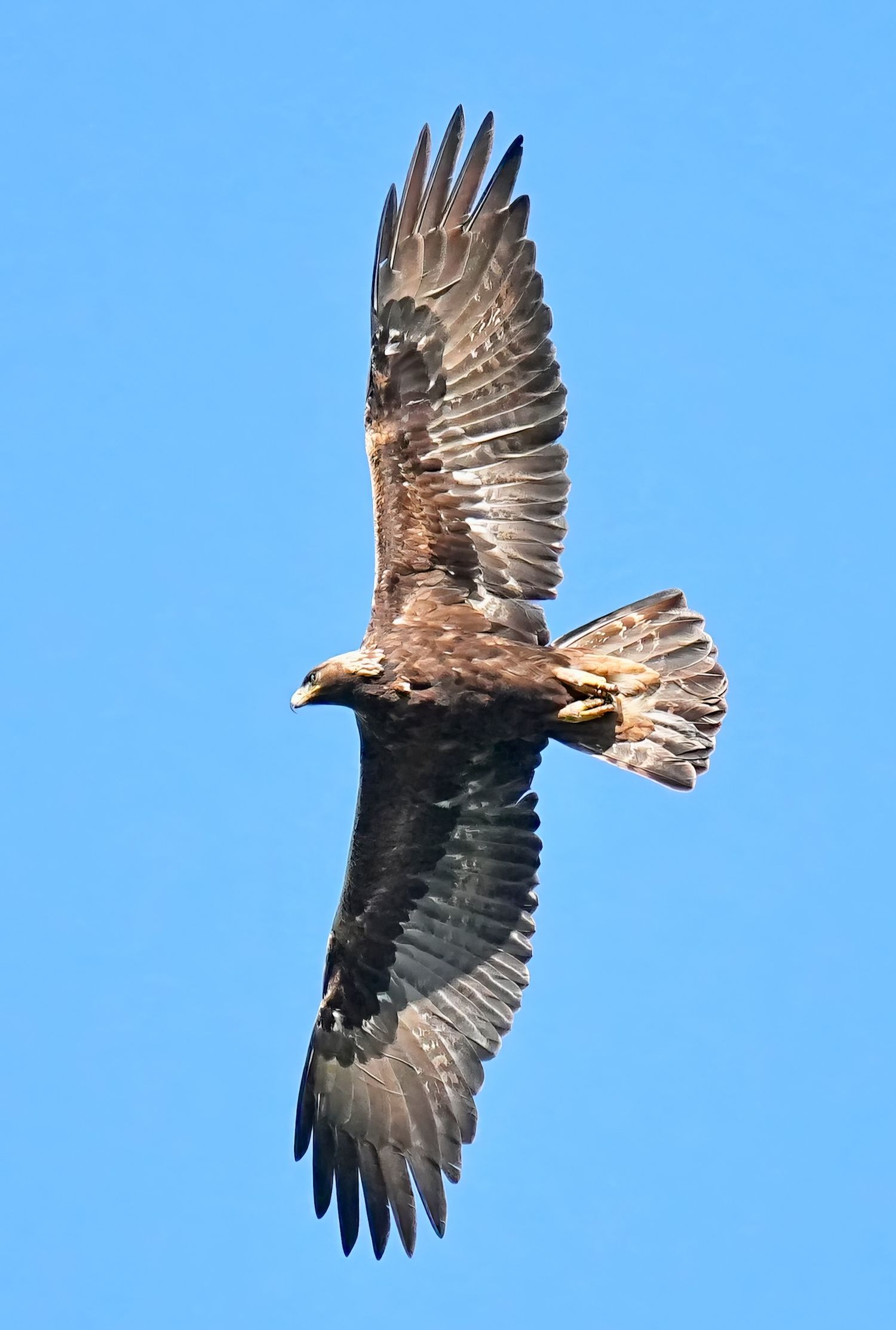
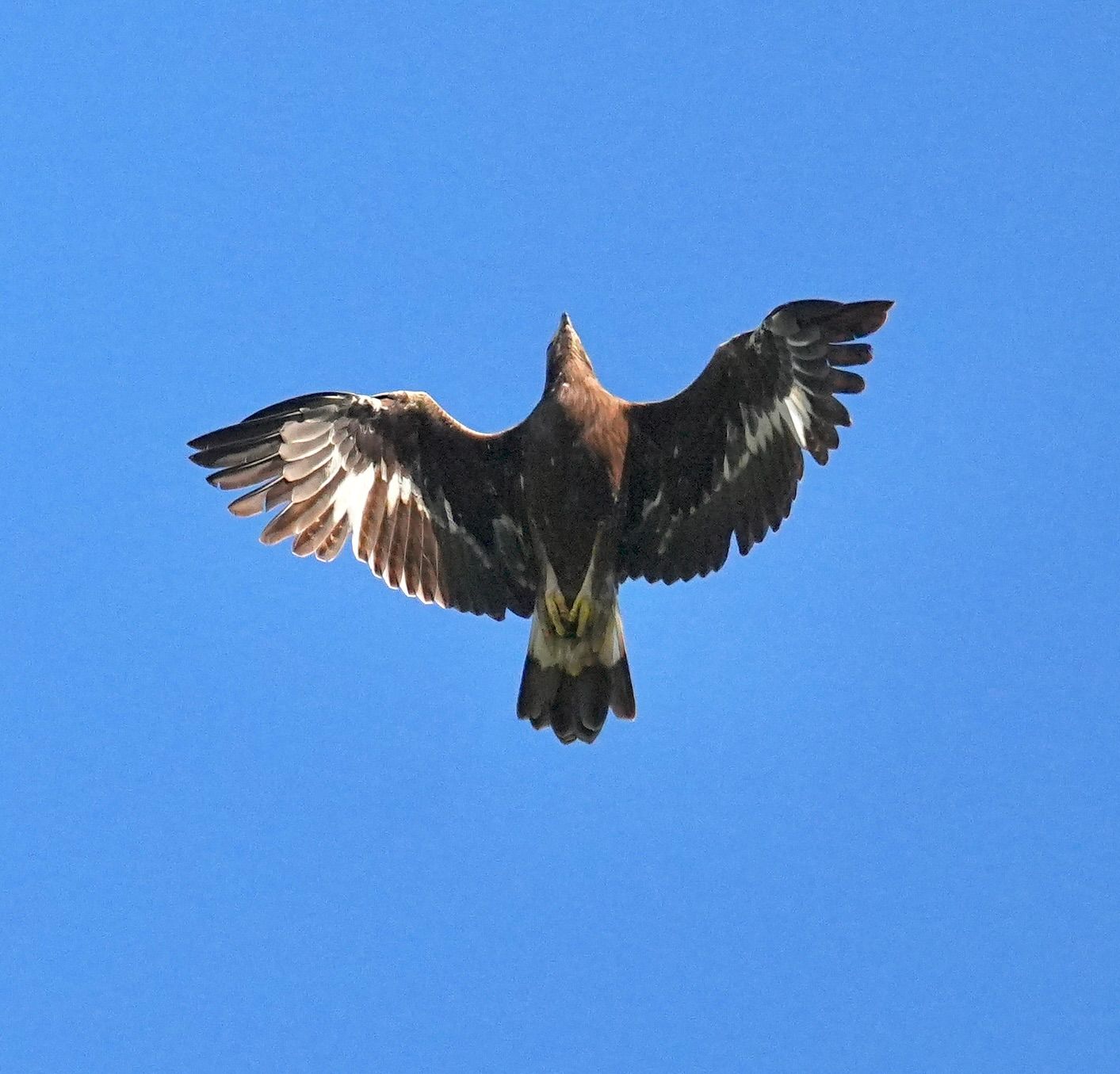
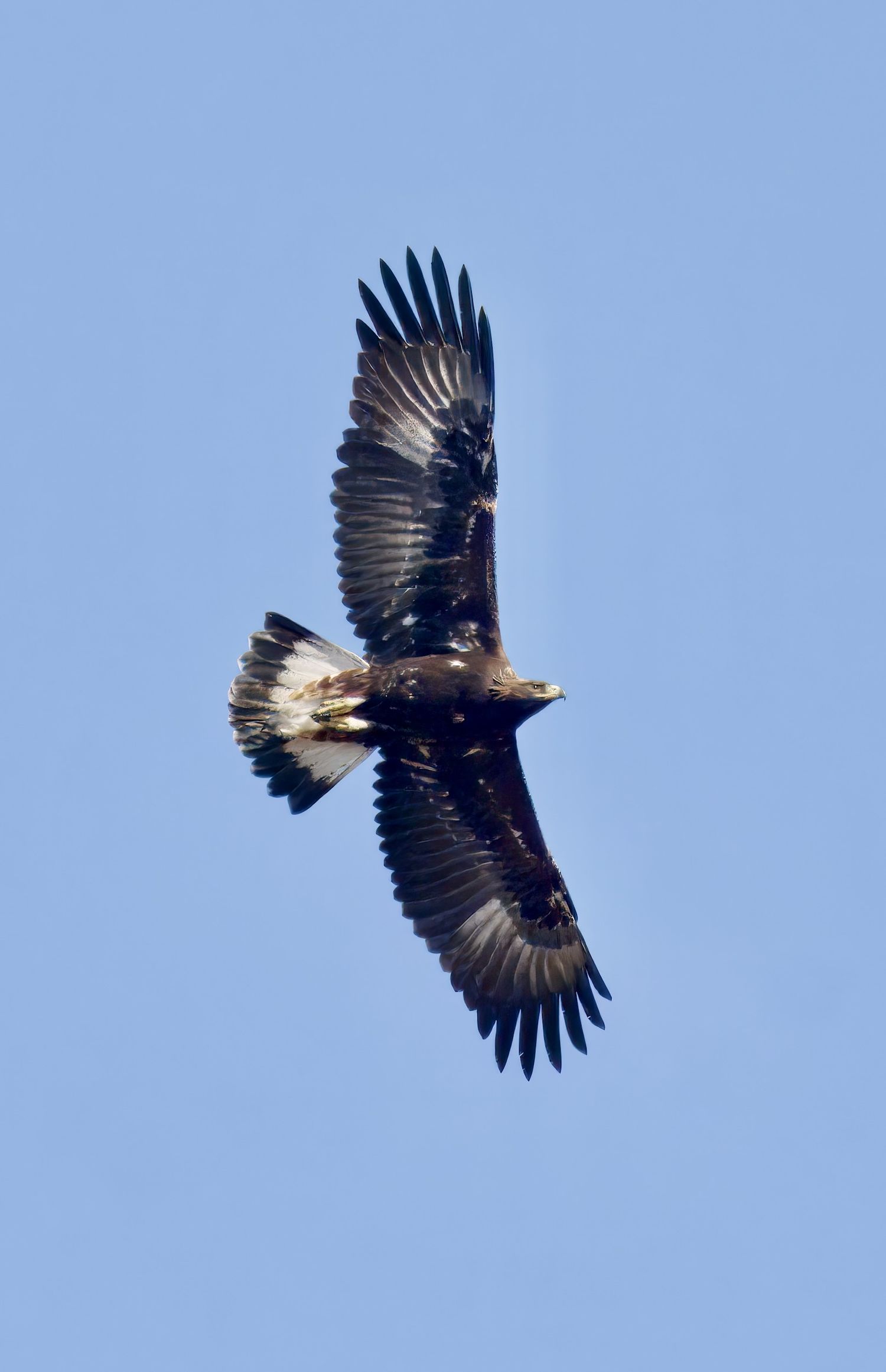
Golden Eagle
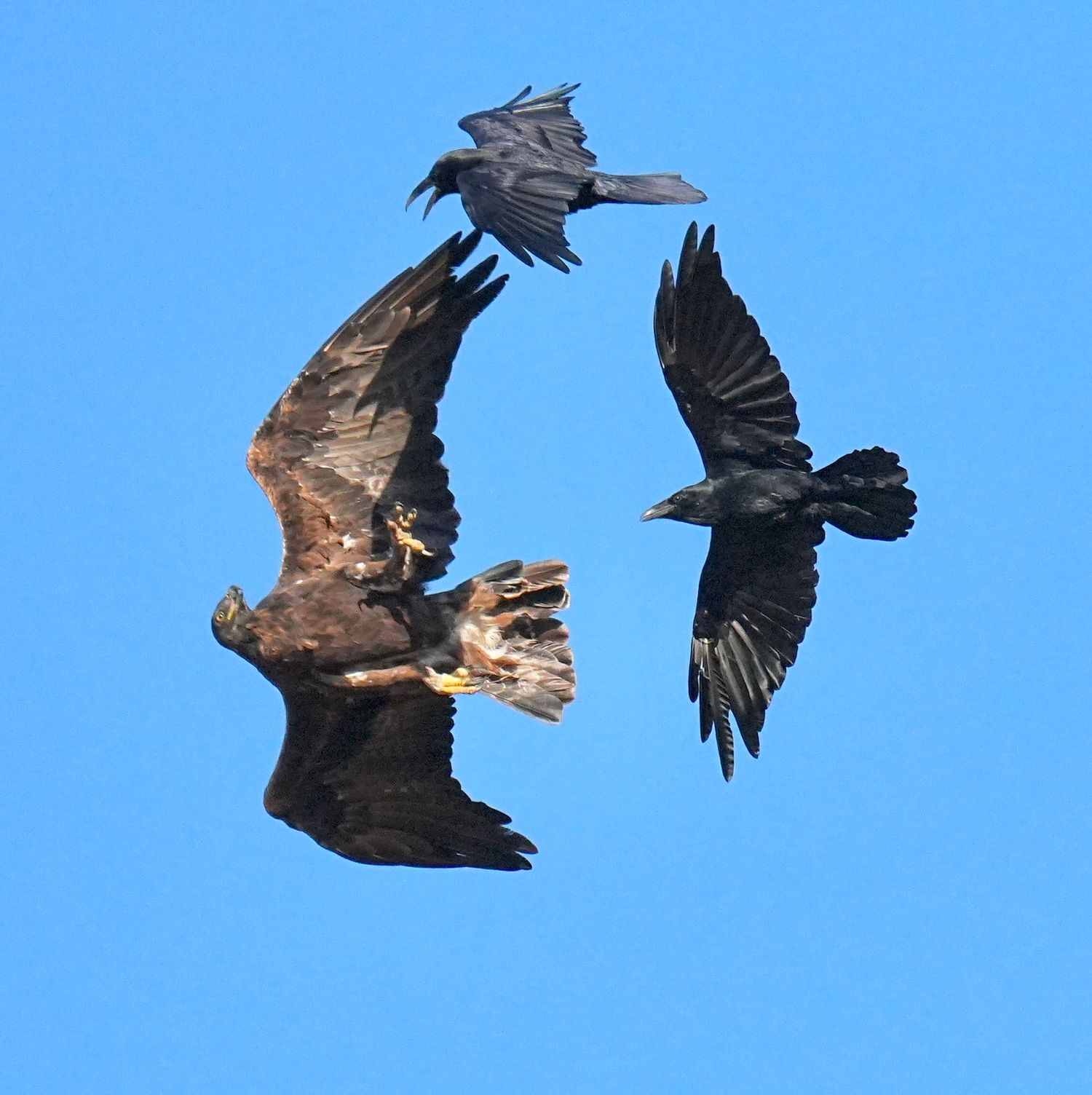
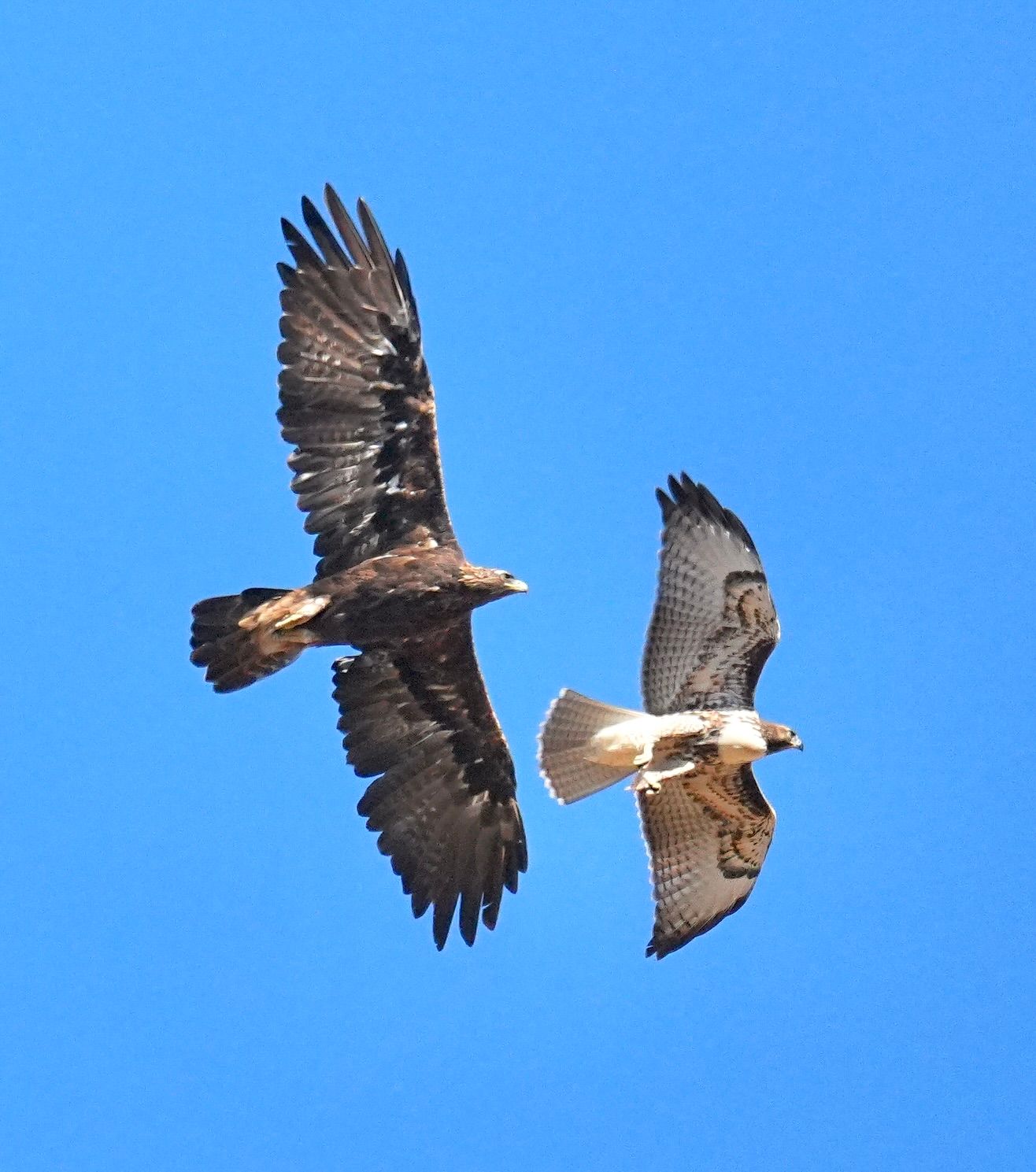
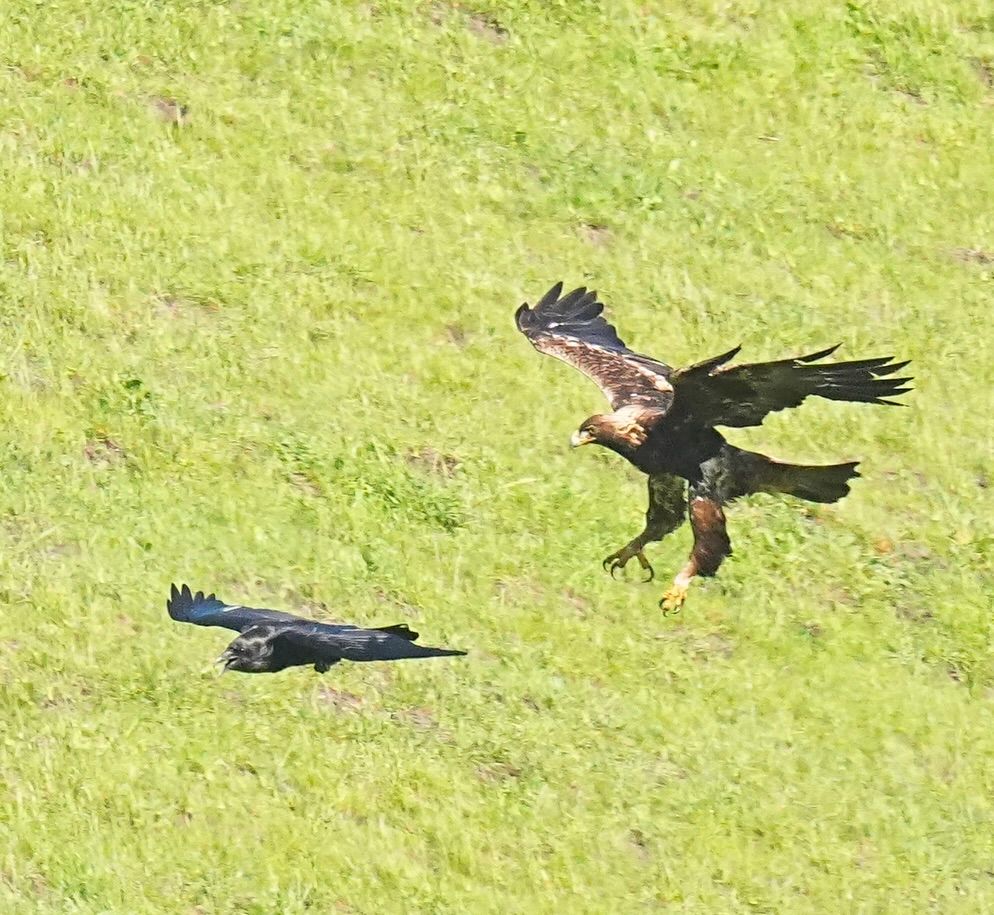
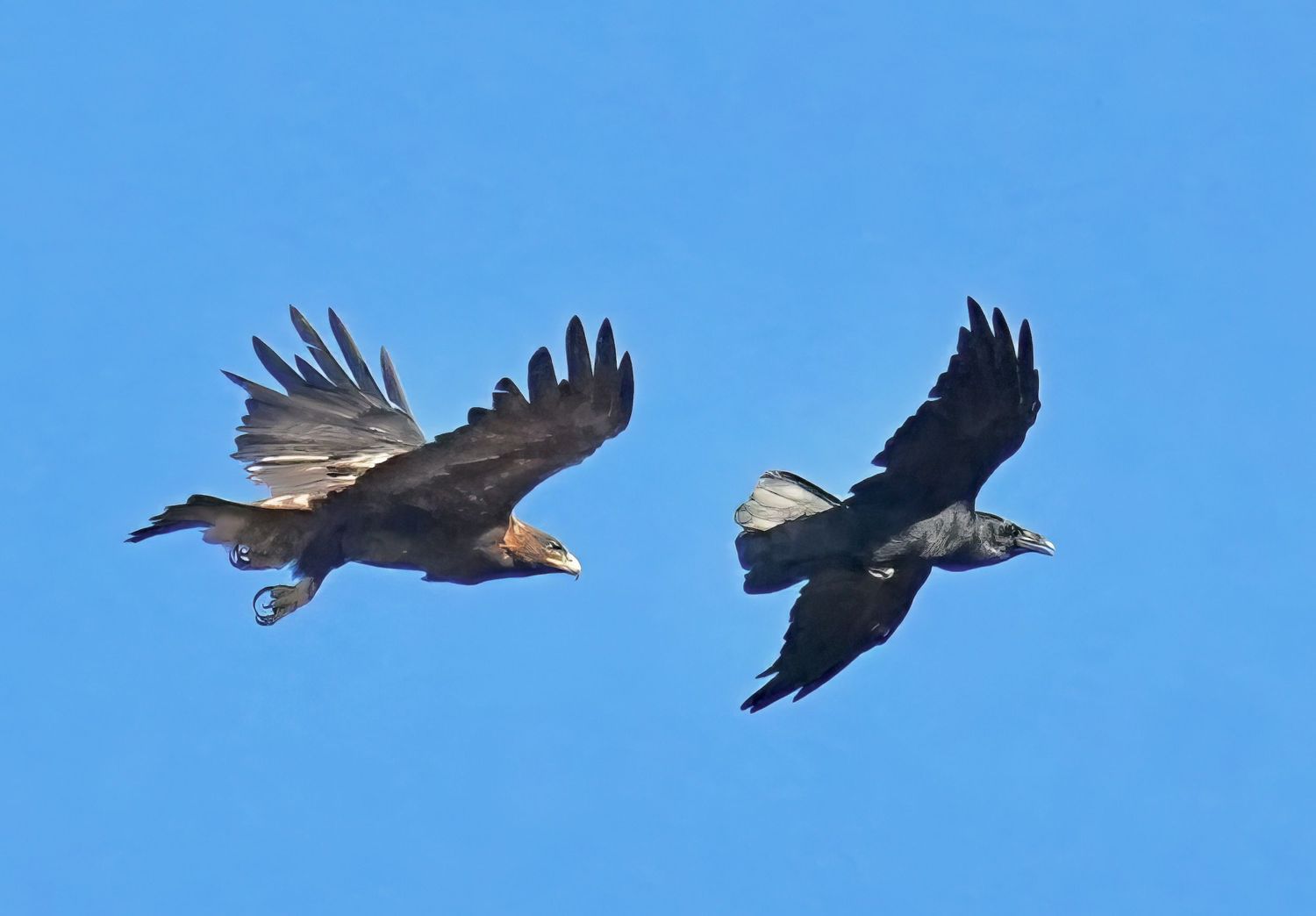
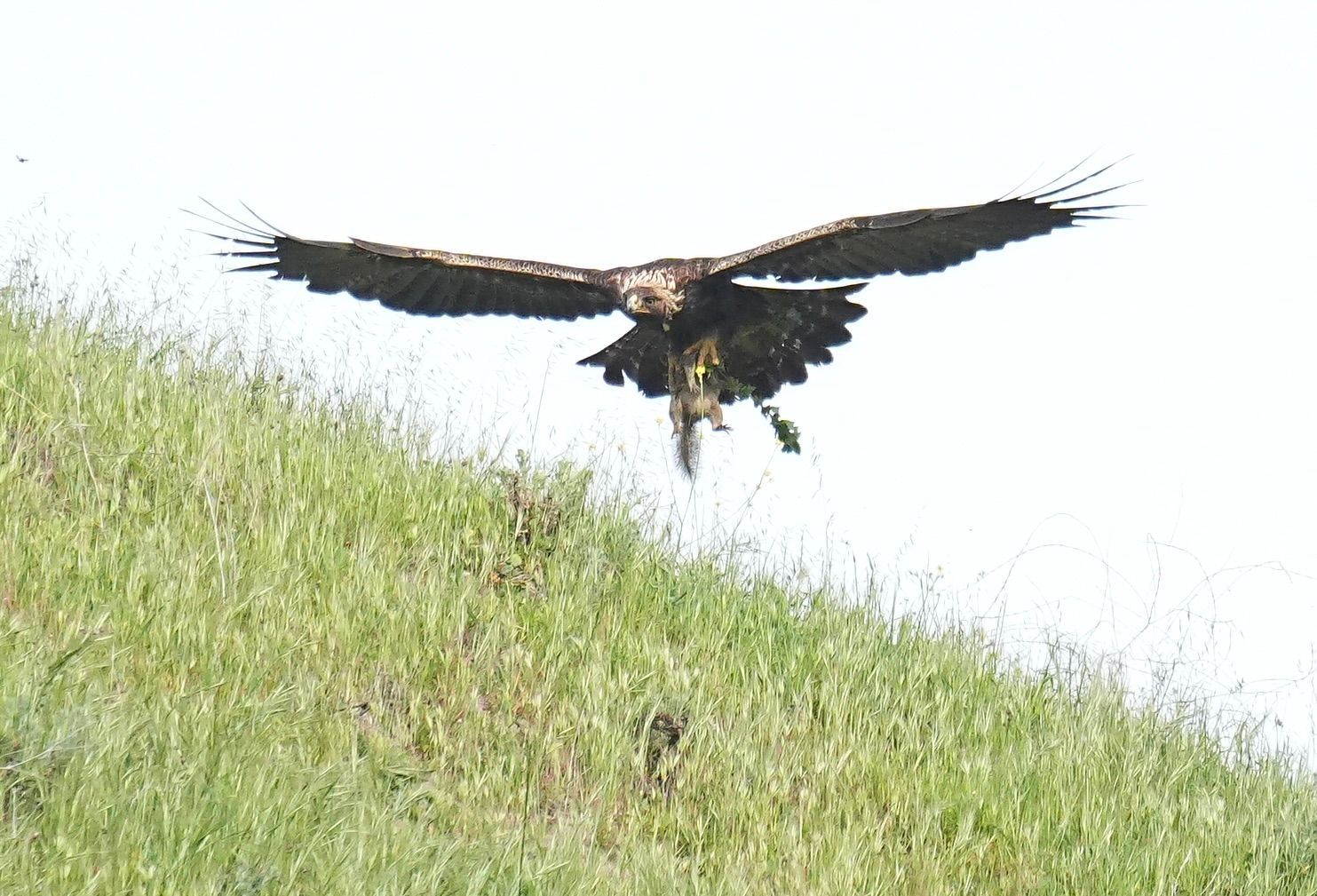
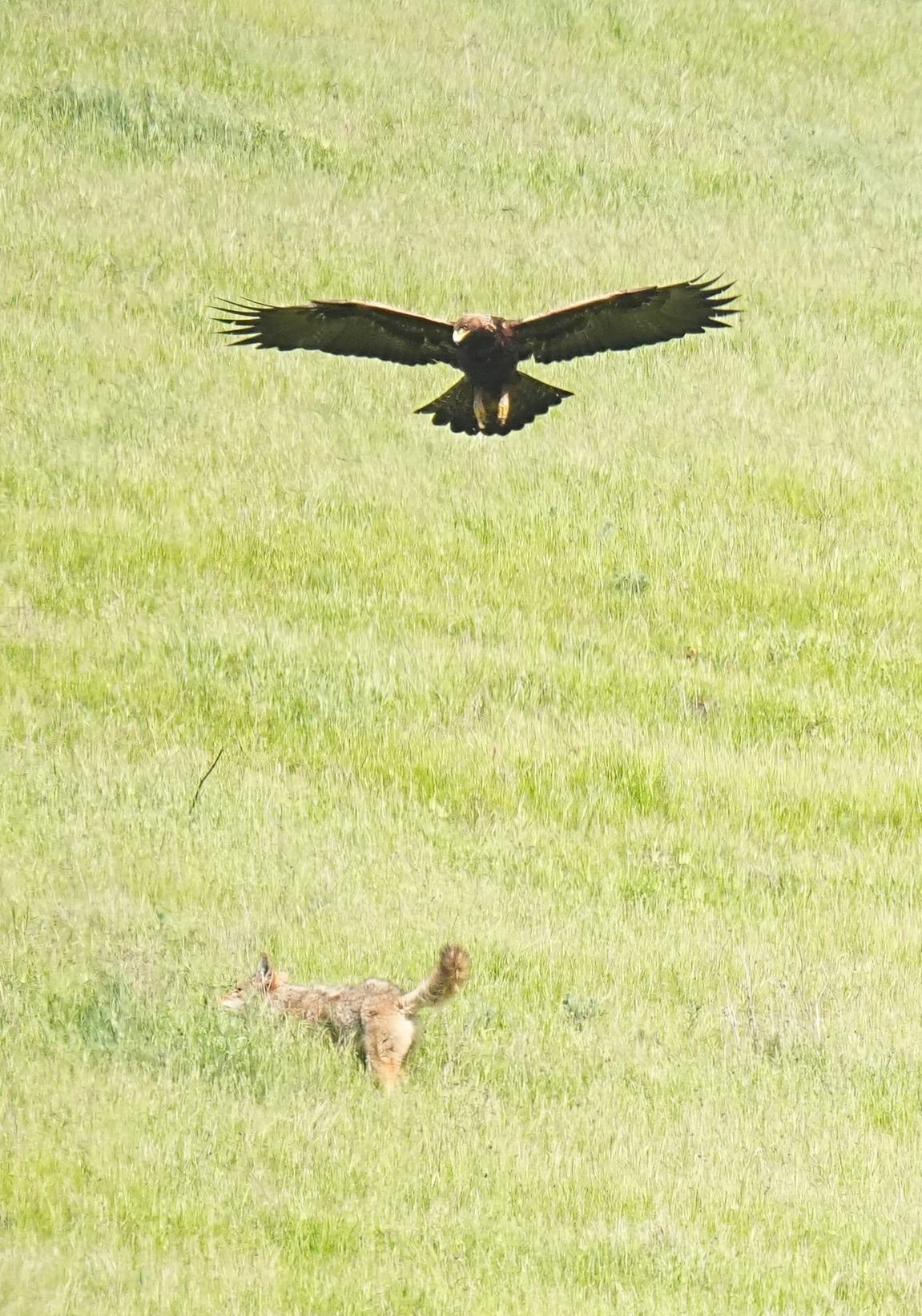
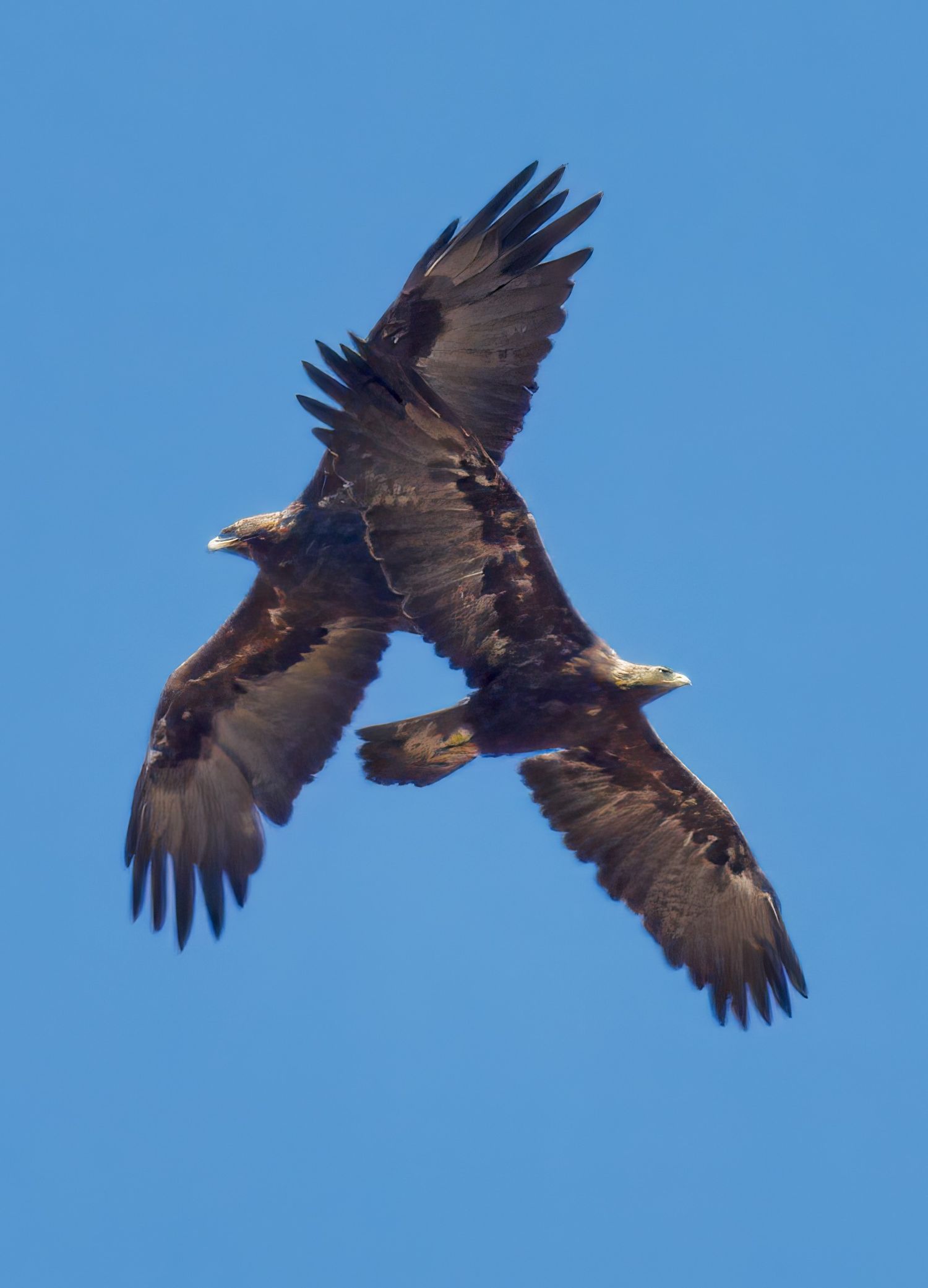
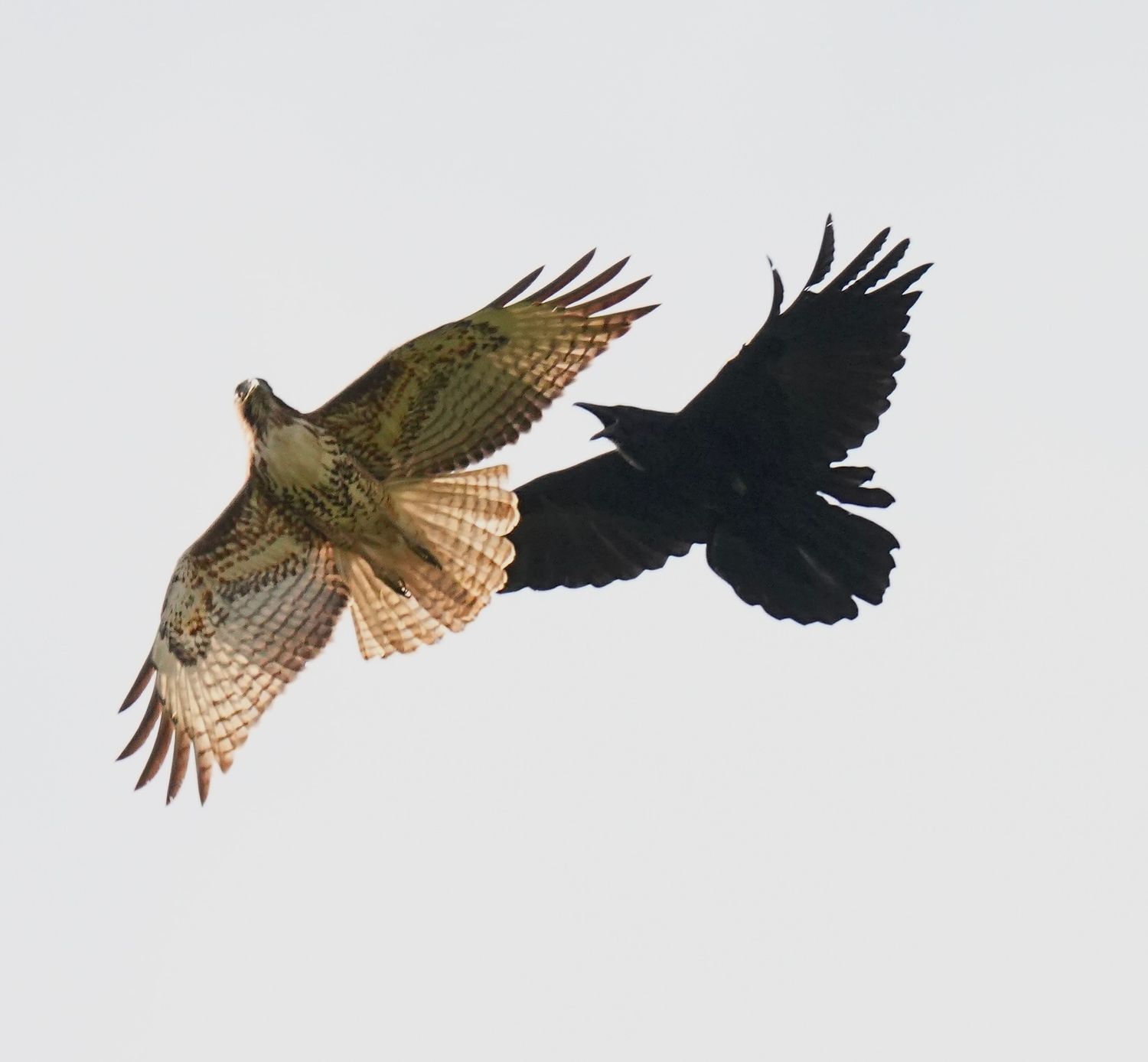
Despite the eagle's apex status and physical dominance, everyday life is not resistance-free. Red-tailed hawks and Common Ravens will actively mob them, often in dramatic fashion. Yet this agitation is not limited to large birds; the tiny American Kestrel is often the most frequent antagonist. While the eagle may appear indifferent or resigned to the harassment, its patience has its limits. Fortunately, the young bird's white wing patches mark it as an immature subadult. This plumage acts as a "free pass", sparing it from dangerous conflicts with established pairs. Whether collecting nesting materials or tirelessly defending its territory, the true master of the upland ultimately suffers no rivals.
Red-tailed Hawk
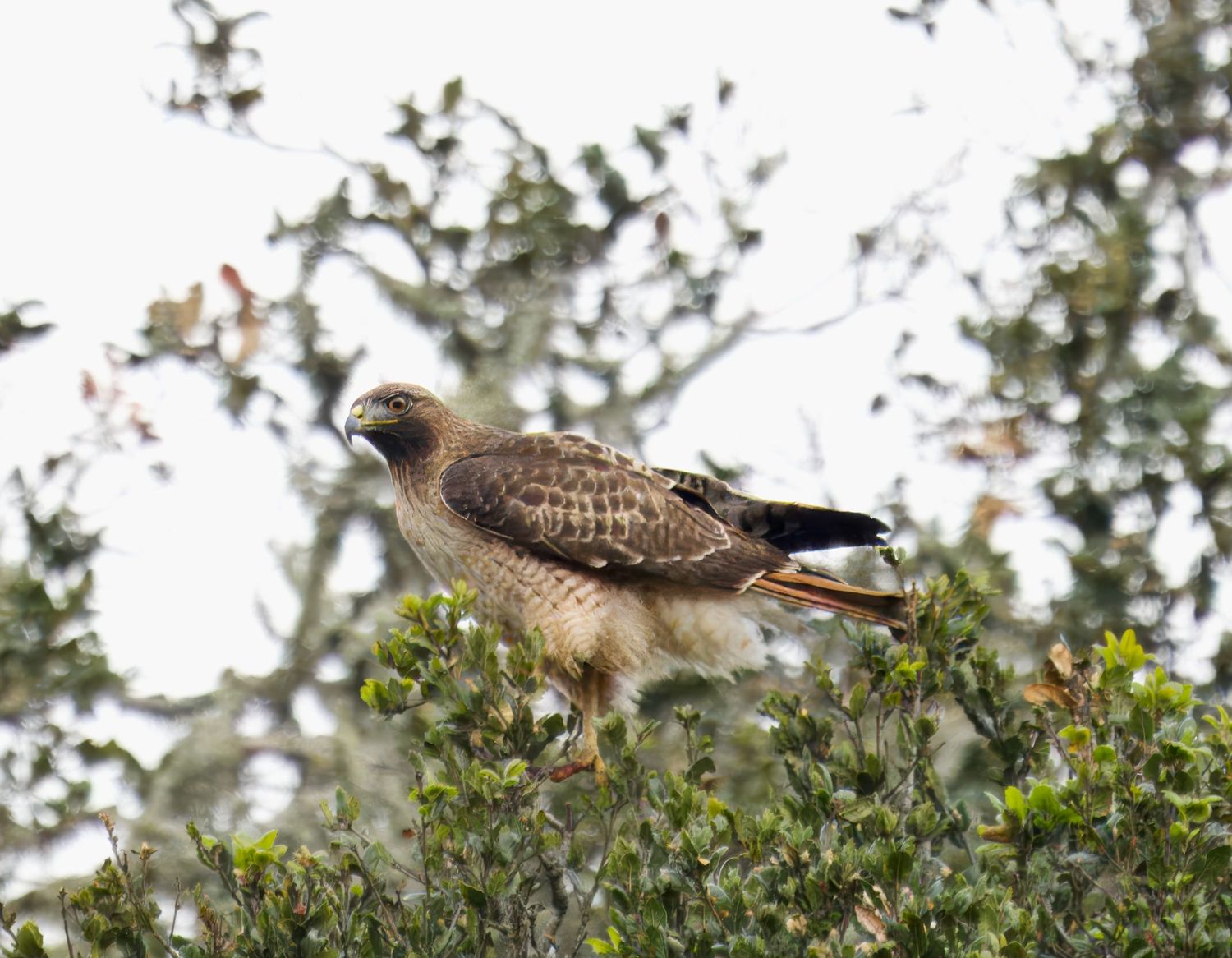
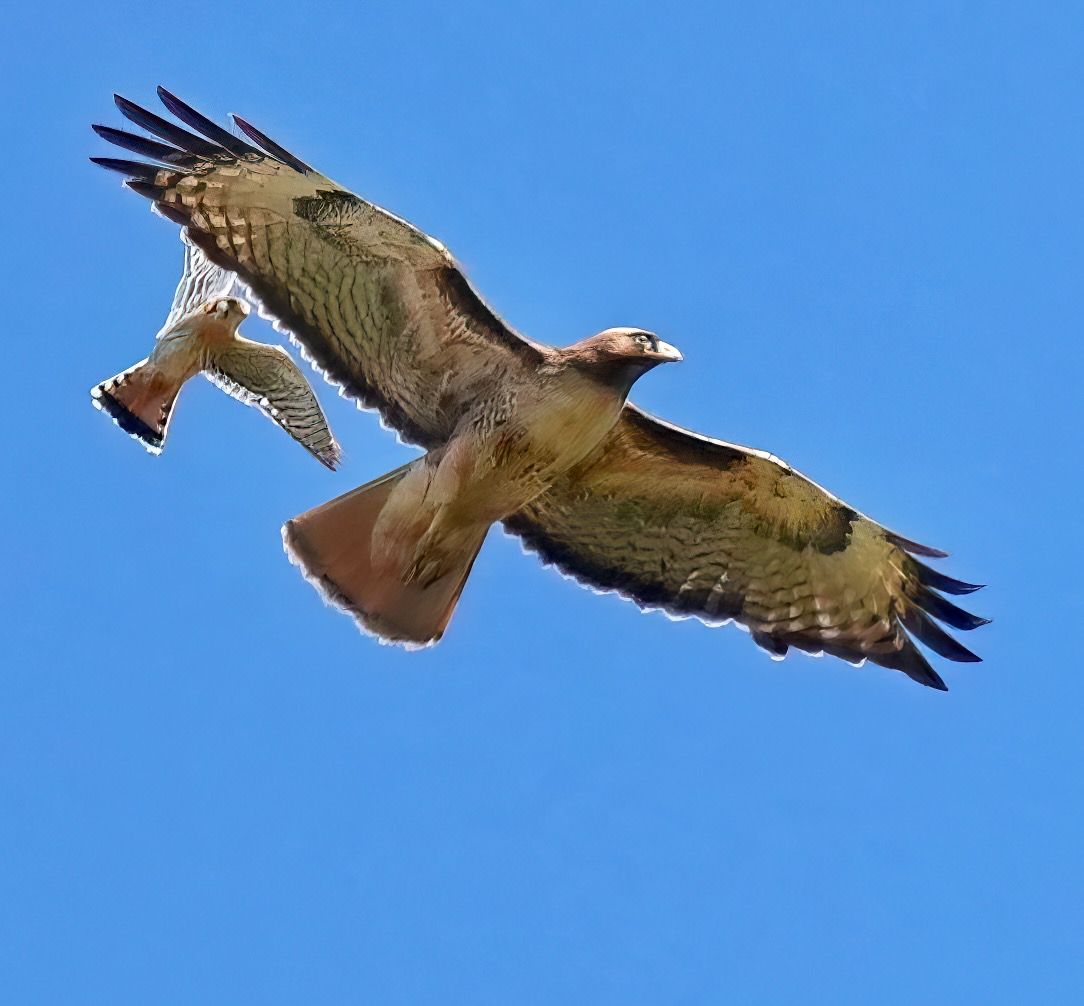
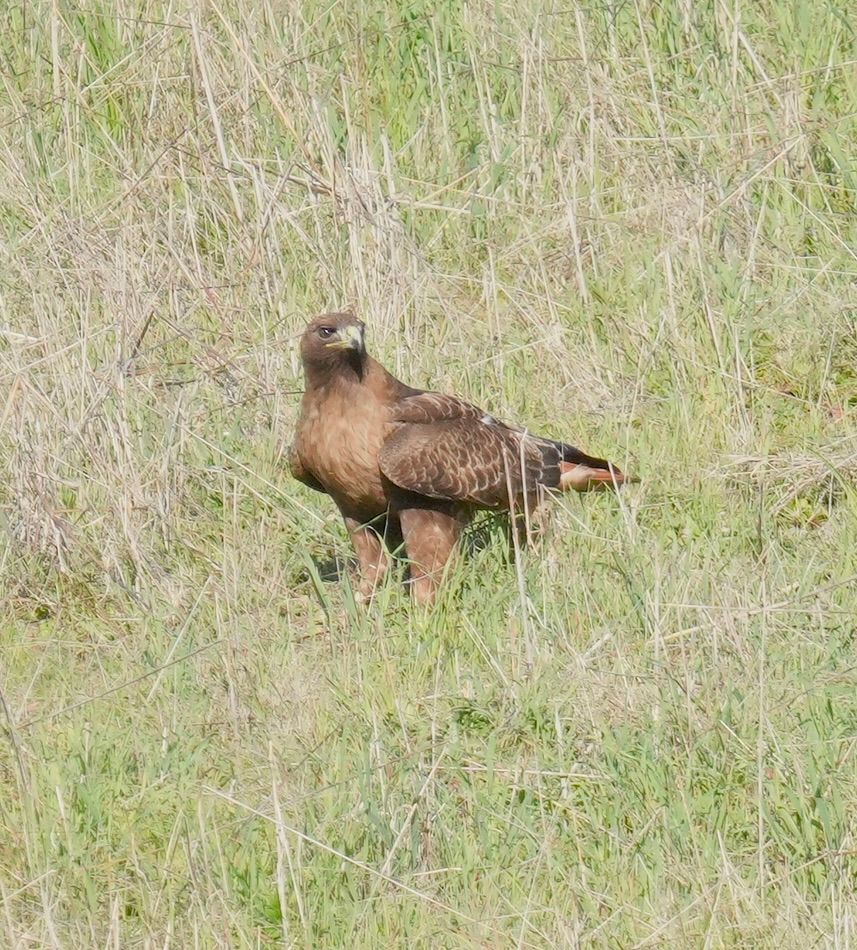
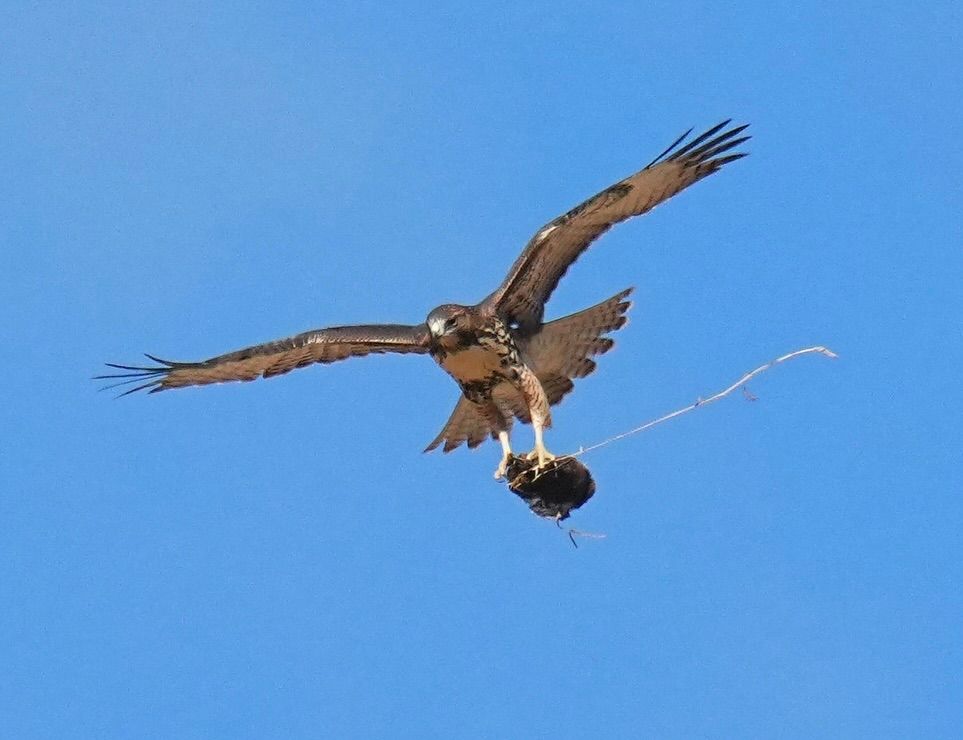
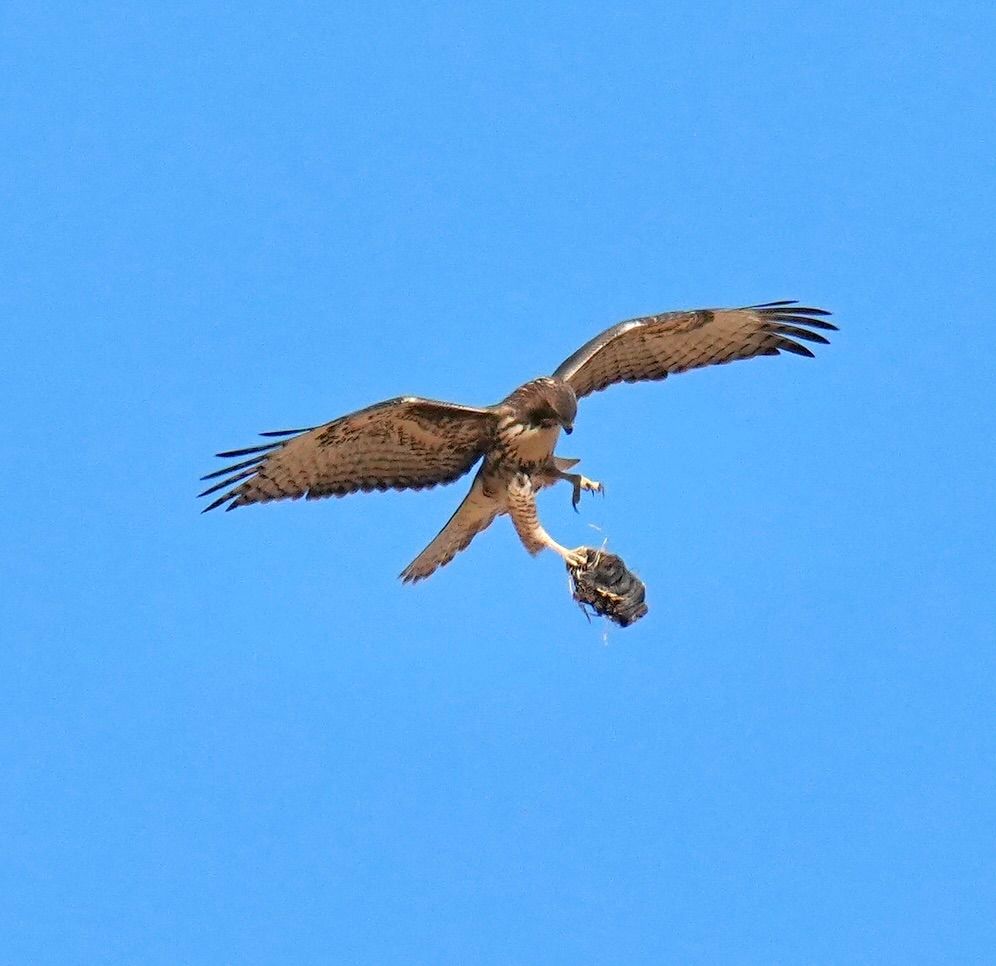
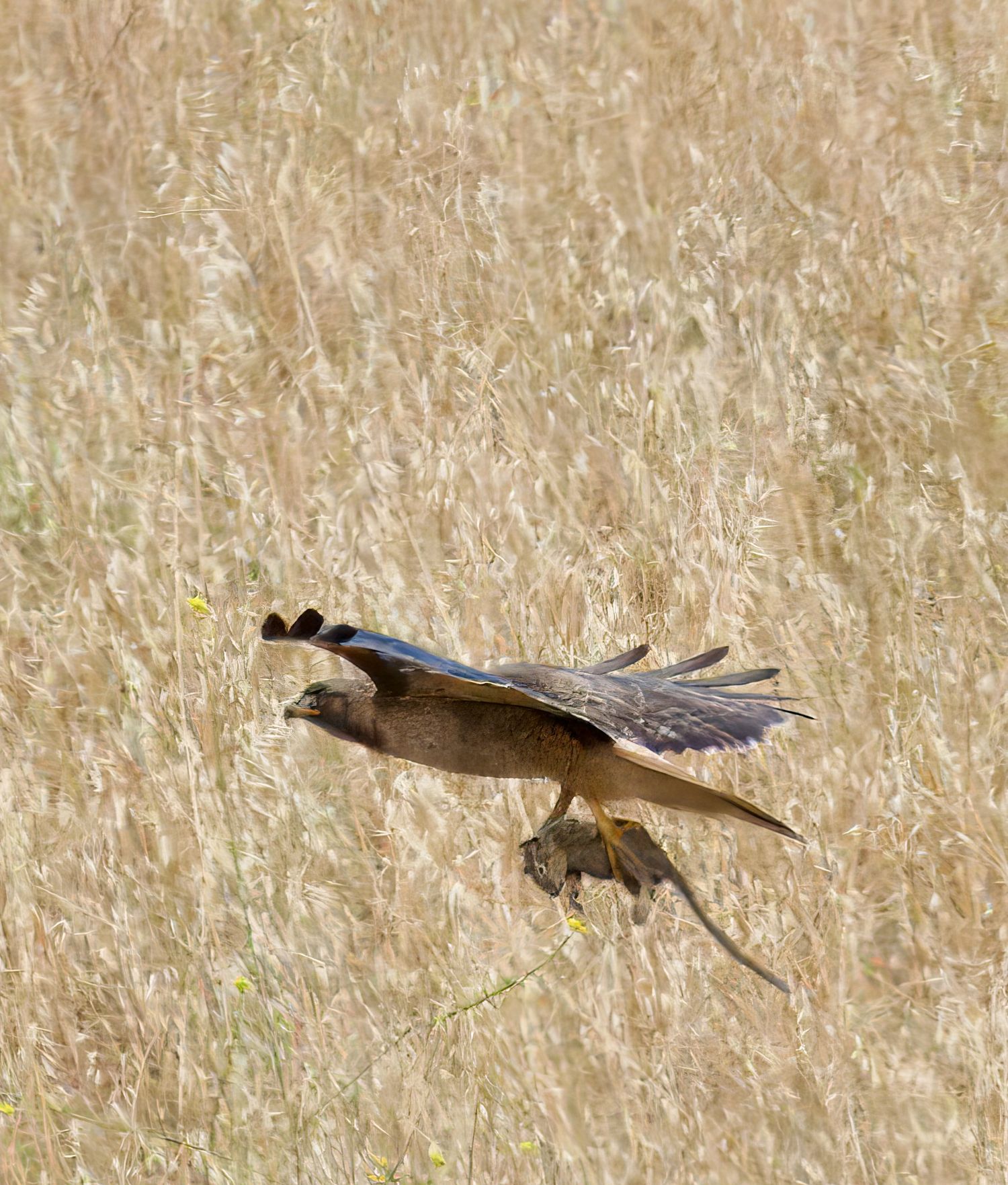
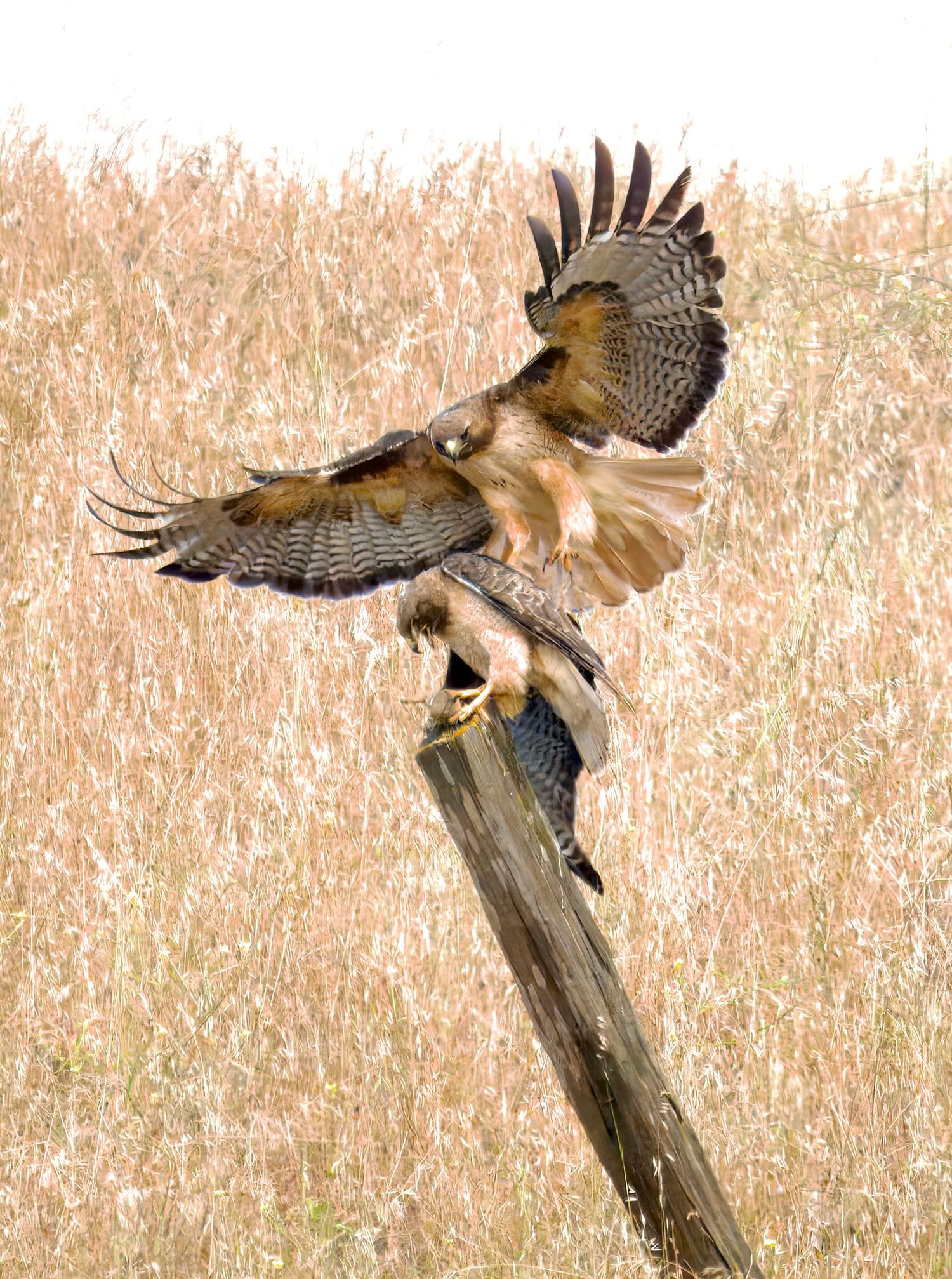
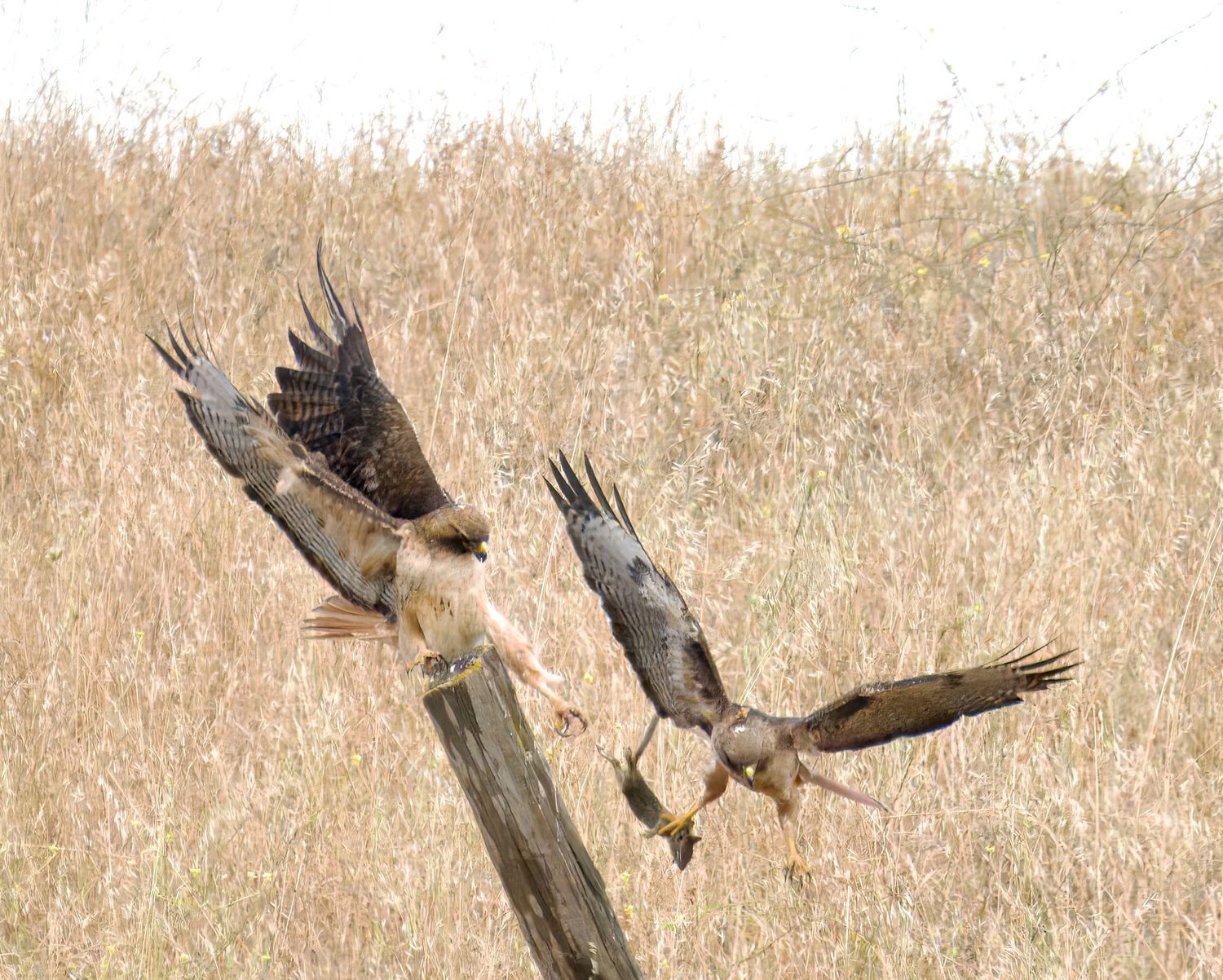
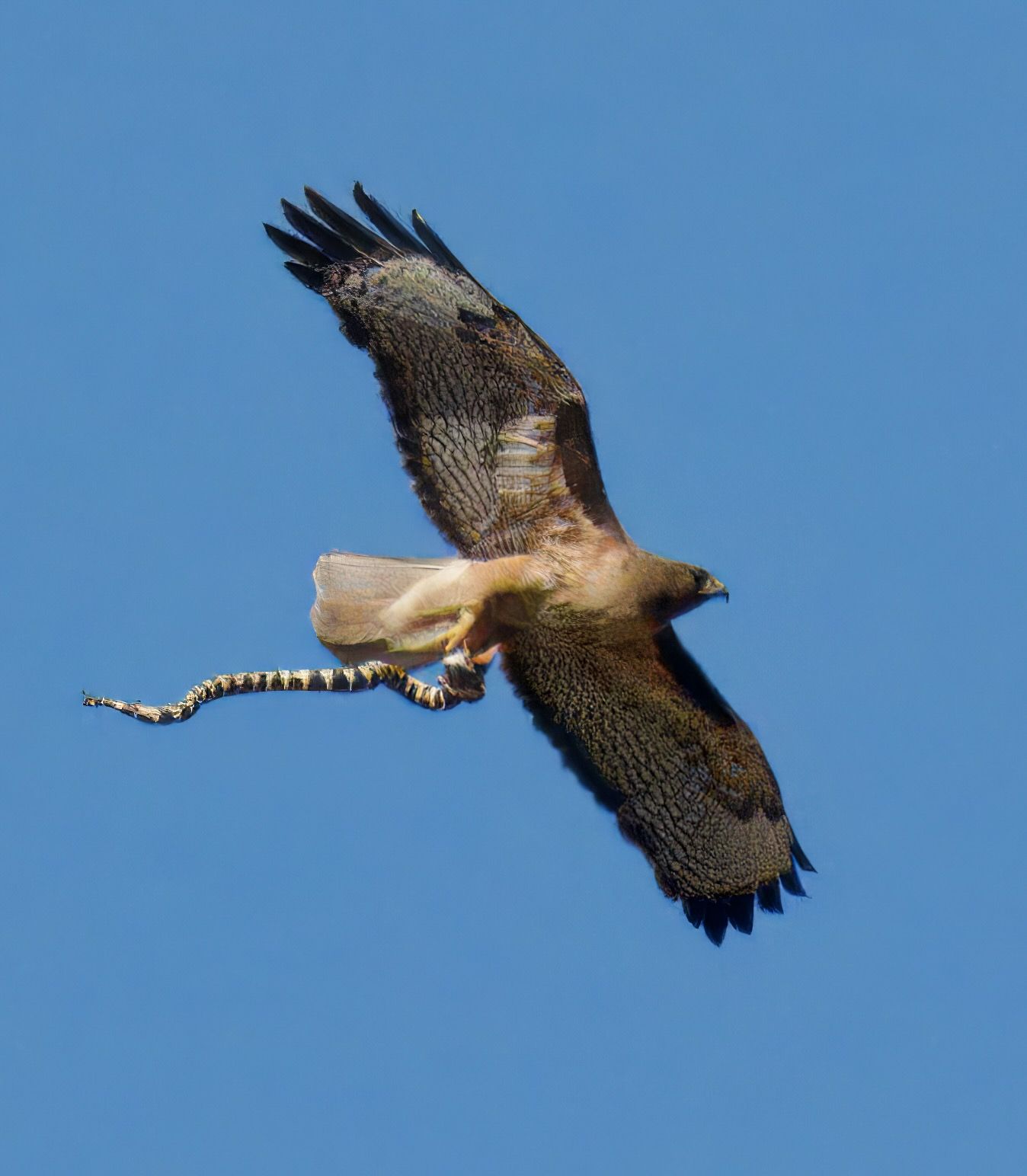
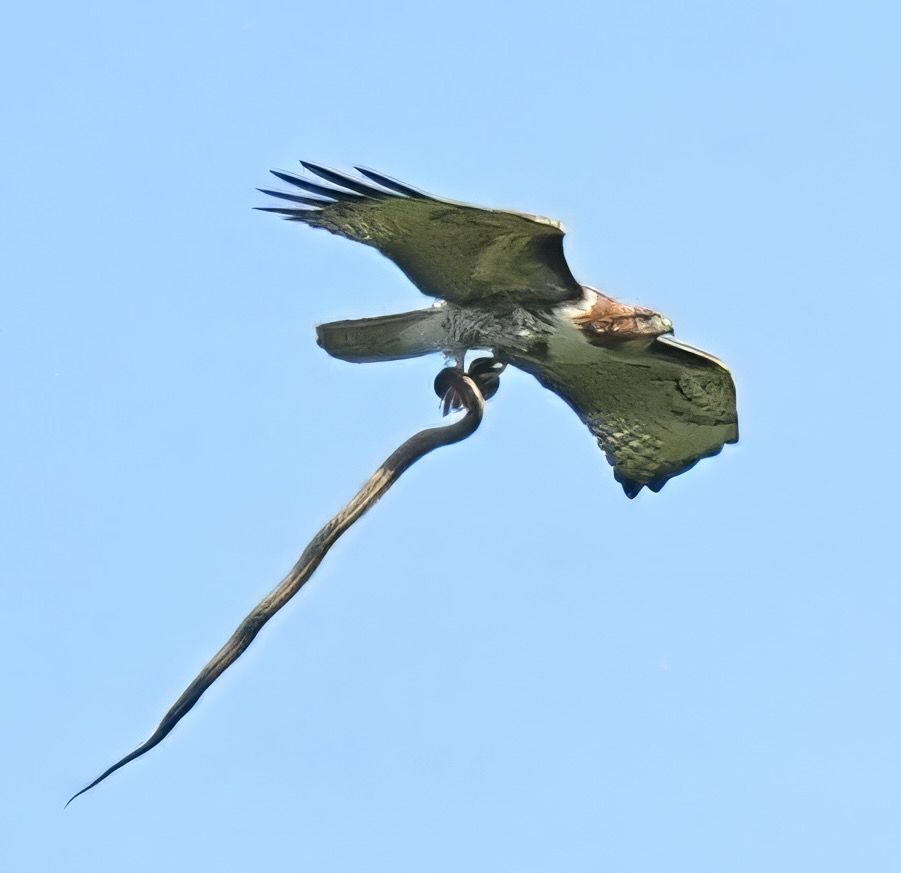
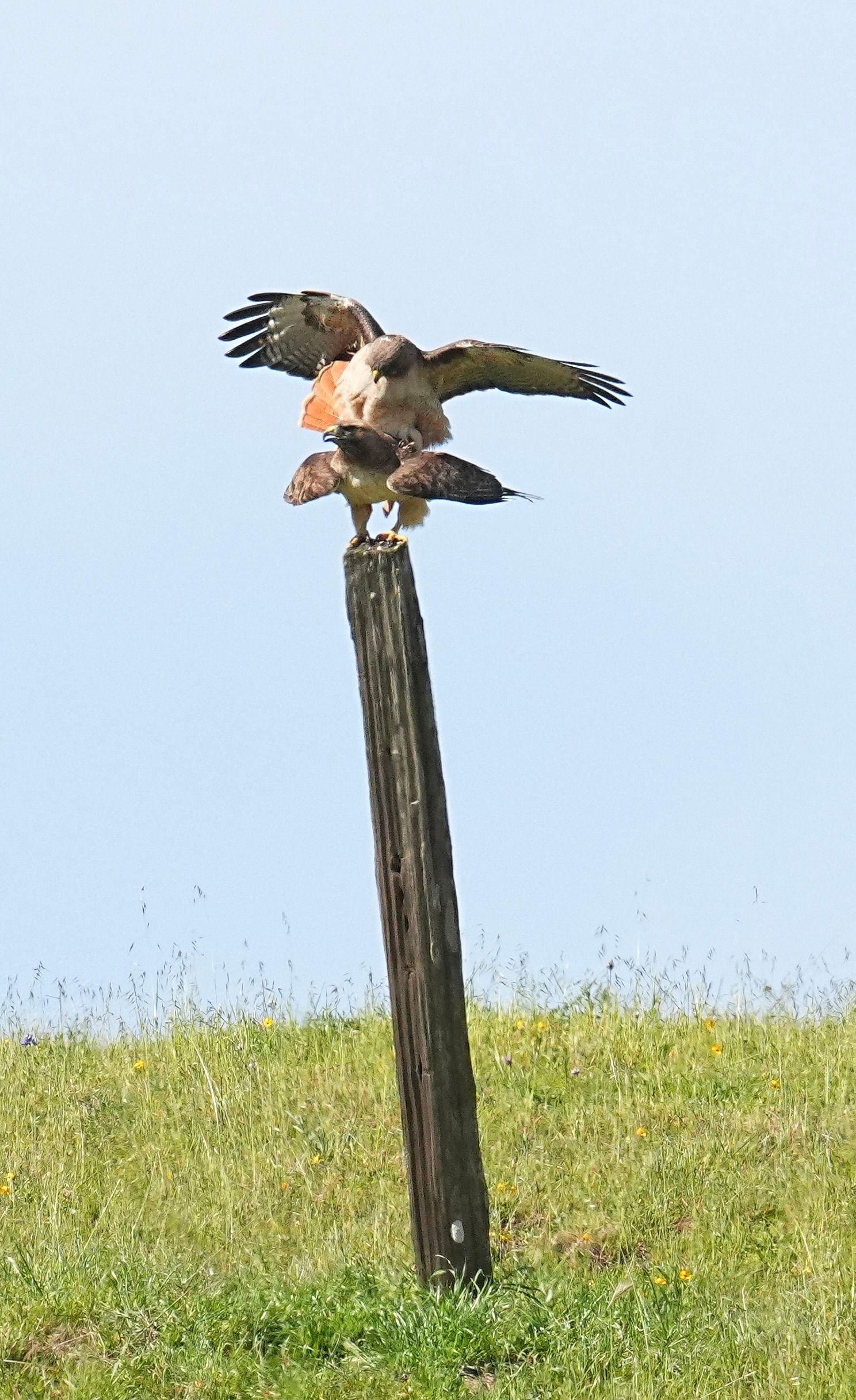
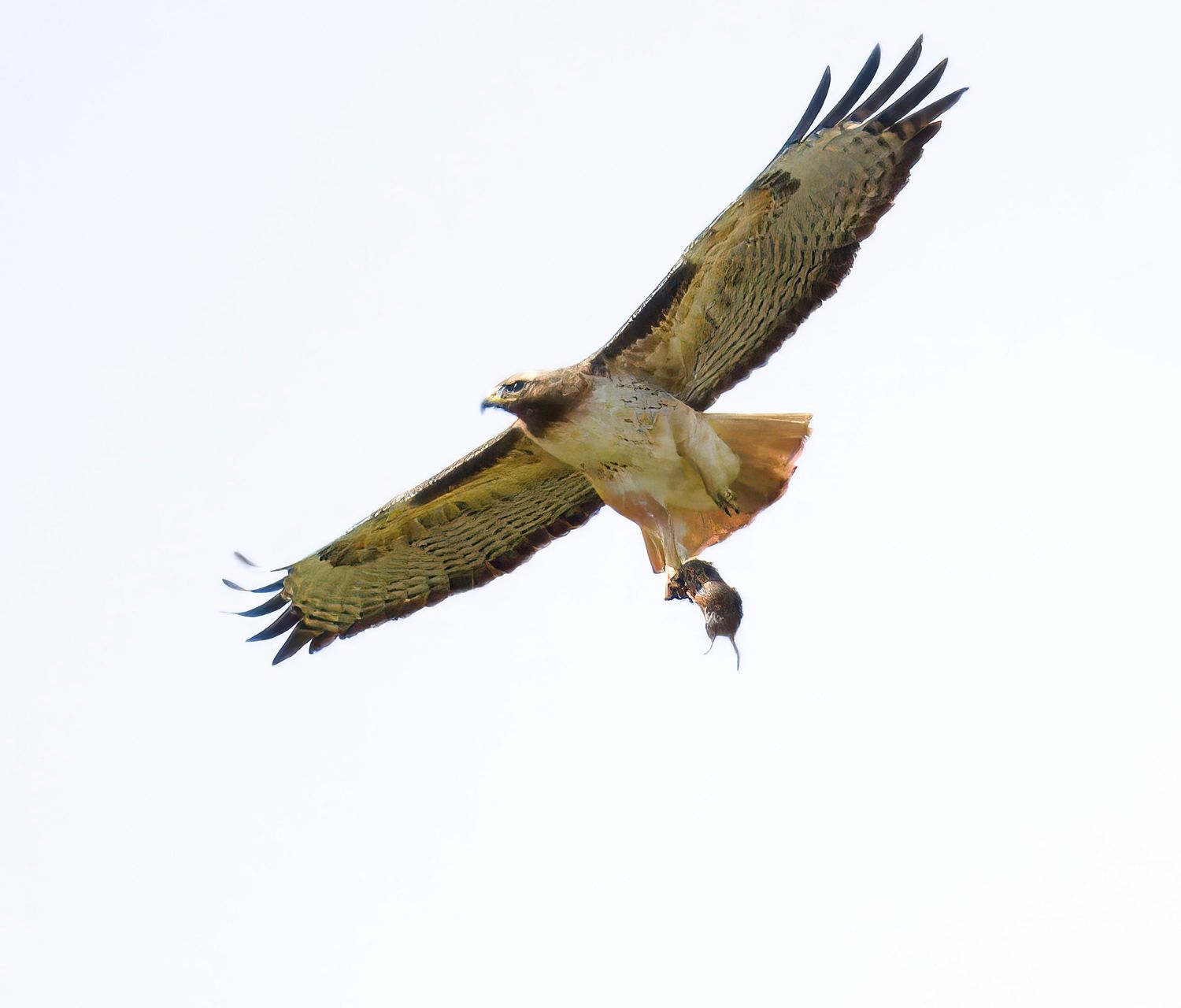
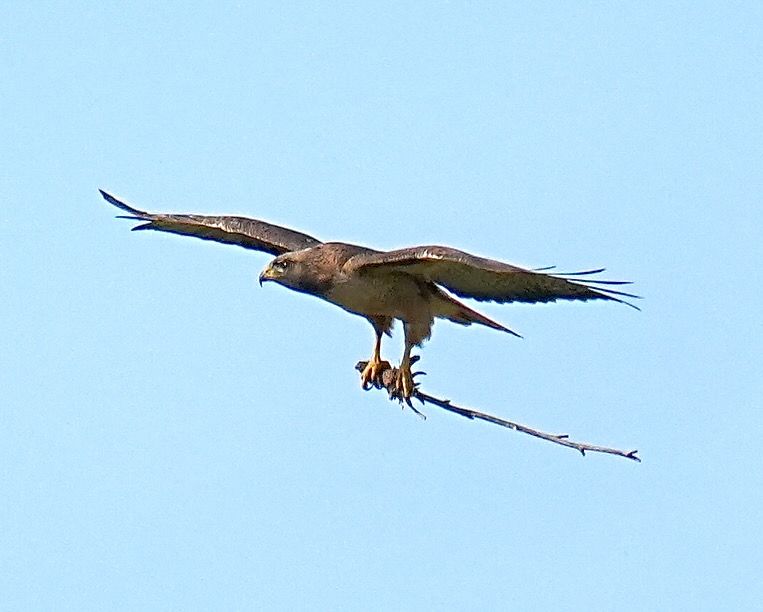
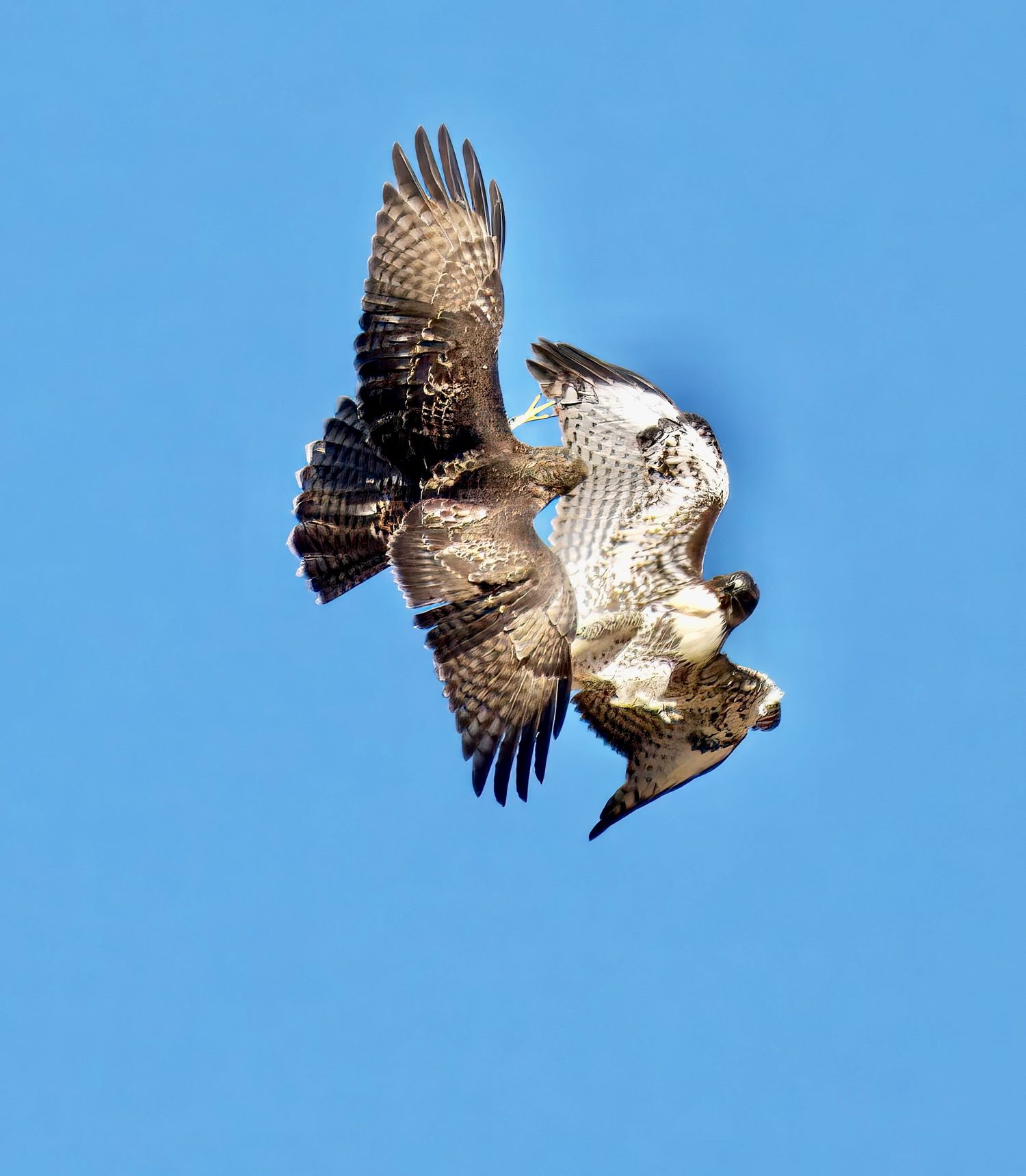
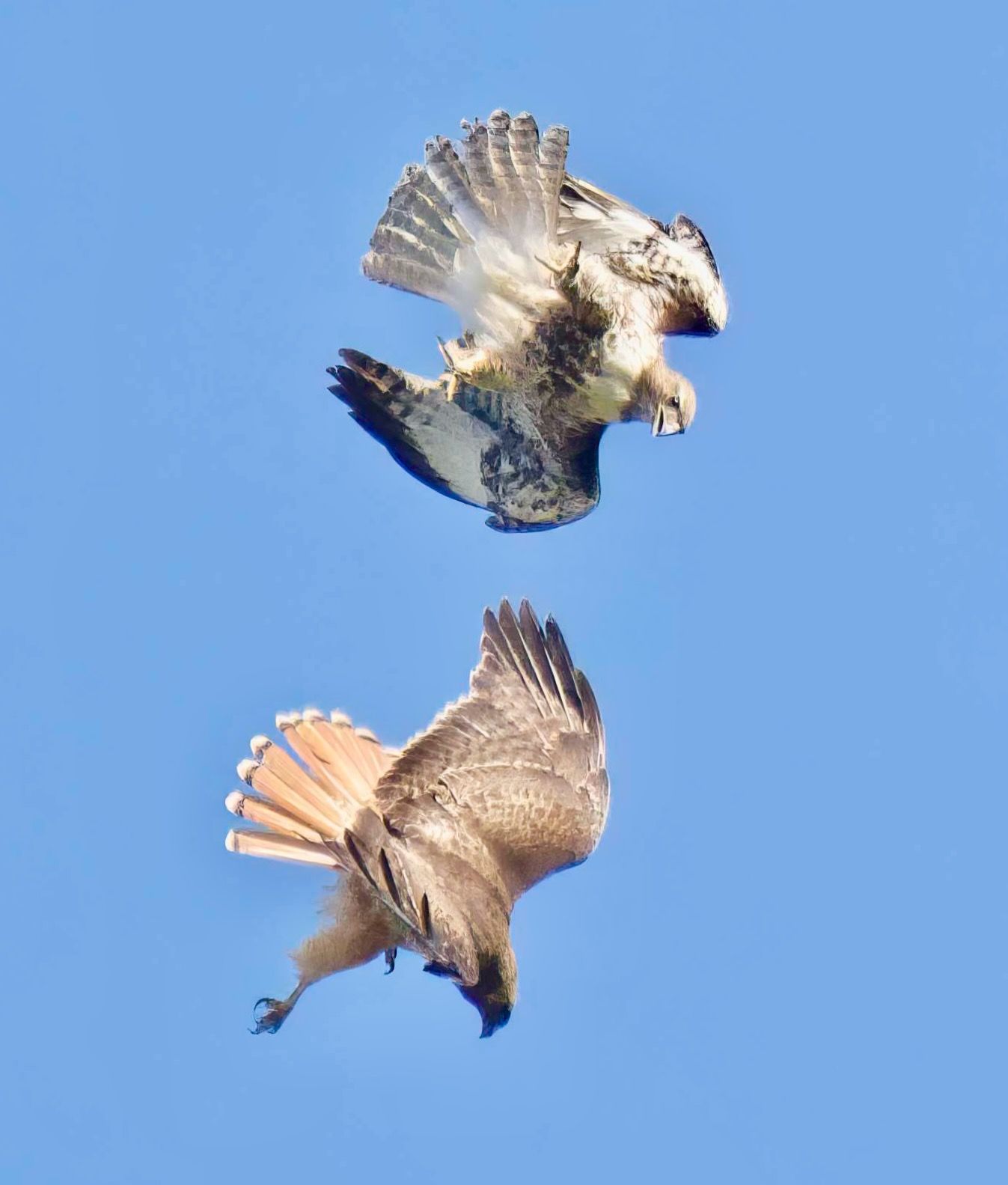
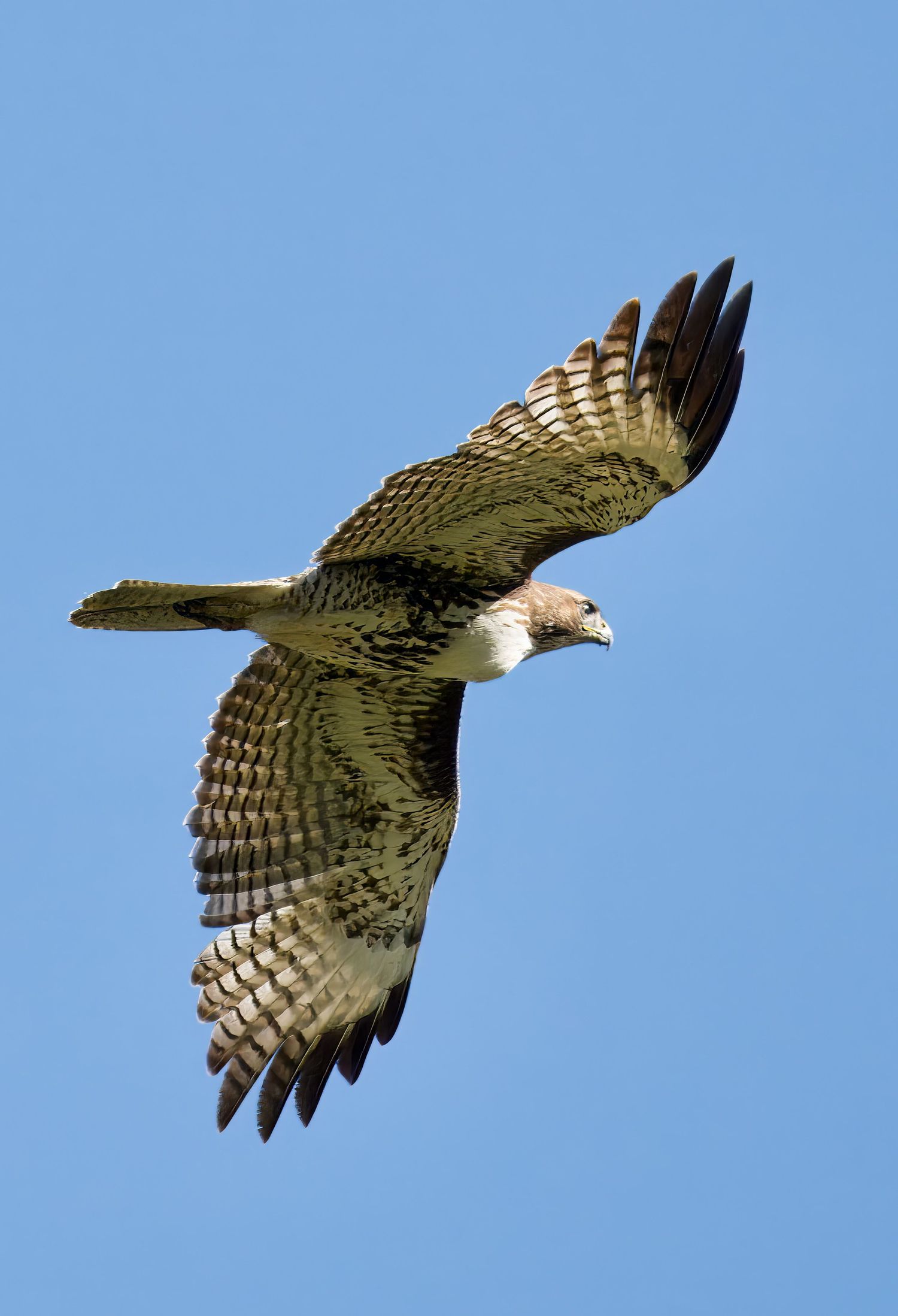
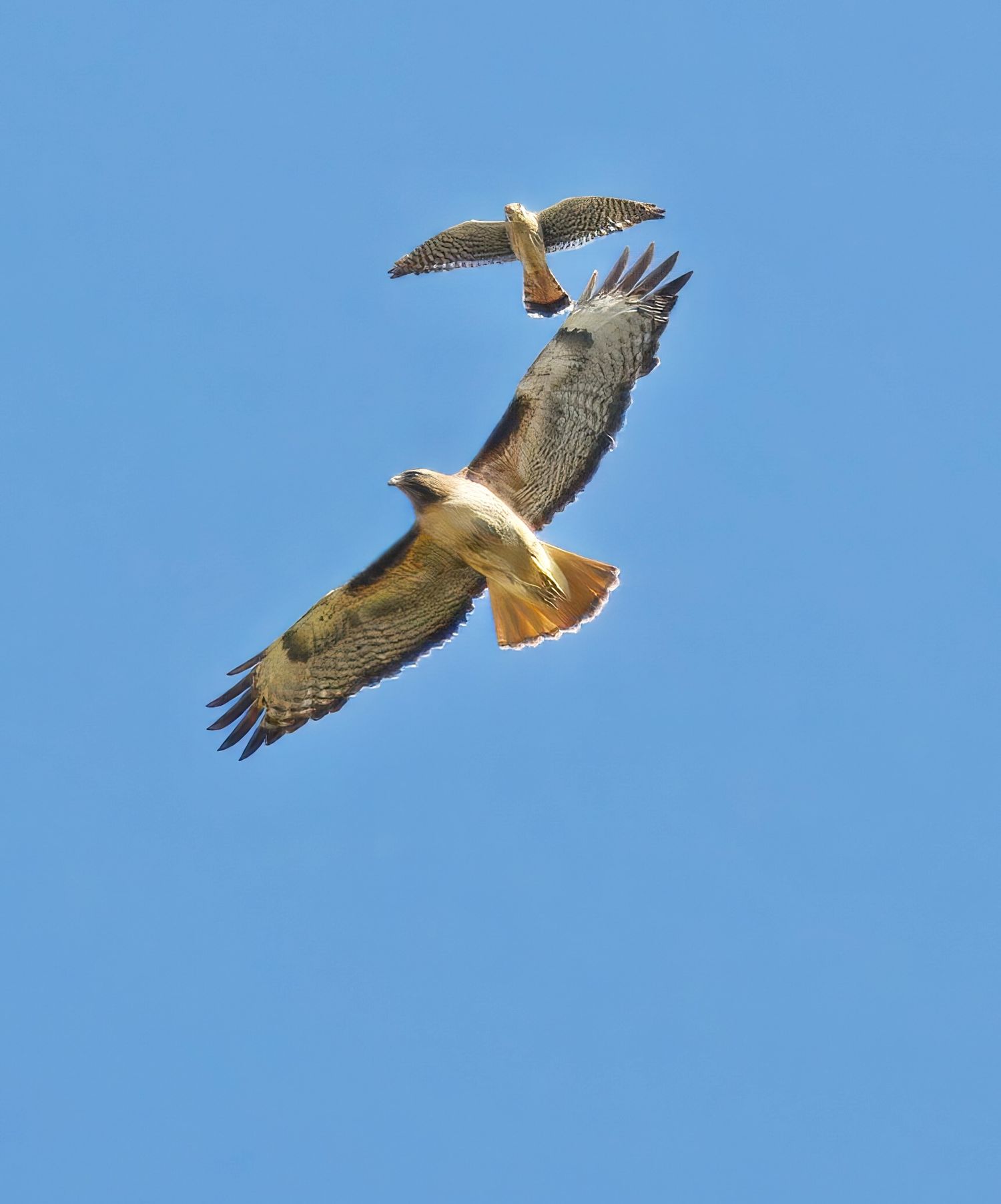
Red-tailed Hawks are aggressively territorial birds that spend their early lives working out their place in a competitively hierarchy-juveniles spar with peers and challenge adults while honing their hunting skills through practice behaviors like striking dirt clods and mimicking adult techniques, including the art of stealing prey from other birds. Since catching a squirrel or snake is only half the battle: holding onto the it rivals in the real test. Even in spring: amid mating and nest repairs, adults stay opportunistic hunters, because th demands of territory and survival never really give up.
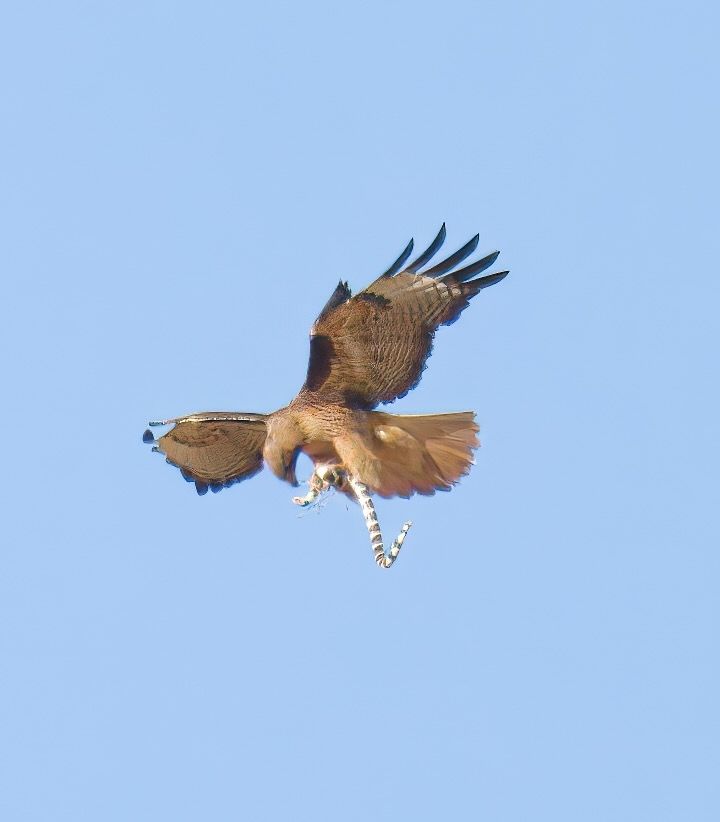
Flying past with a prominently full crop, this Red-tailed Hawk carries the visible proof of a successful morning hunt.
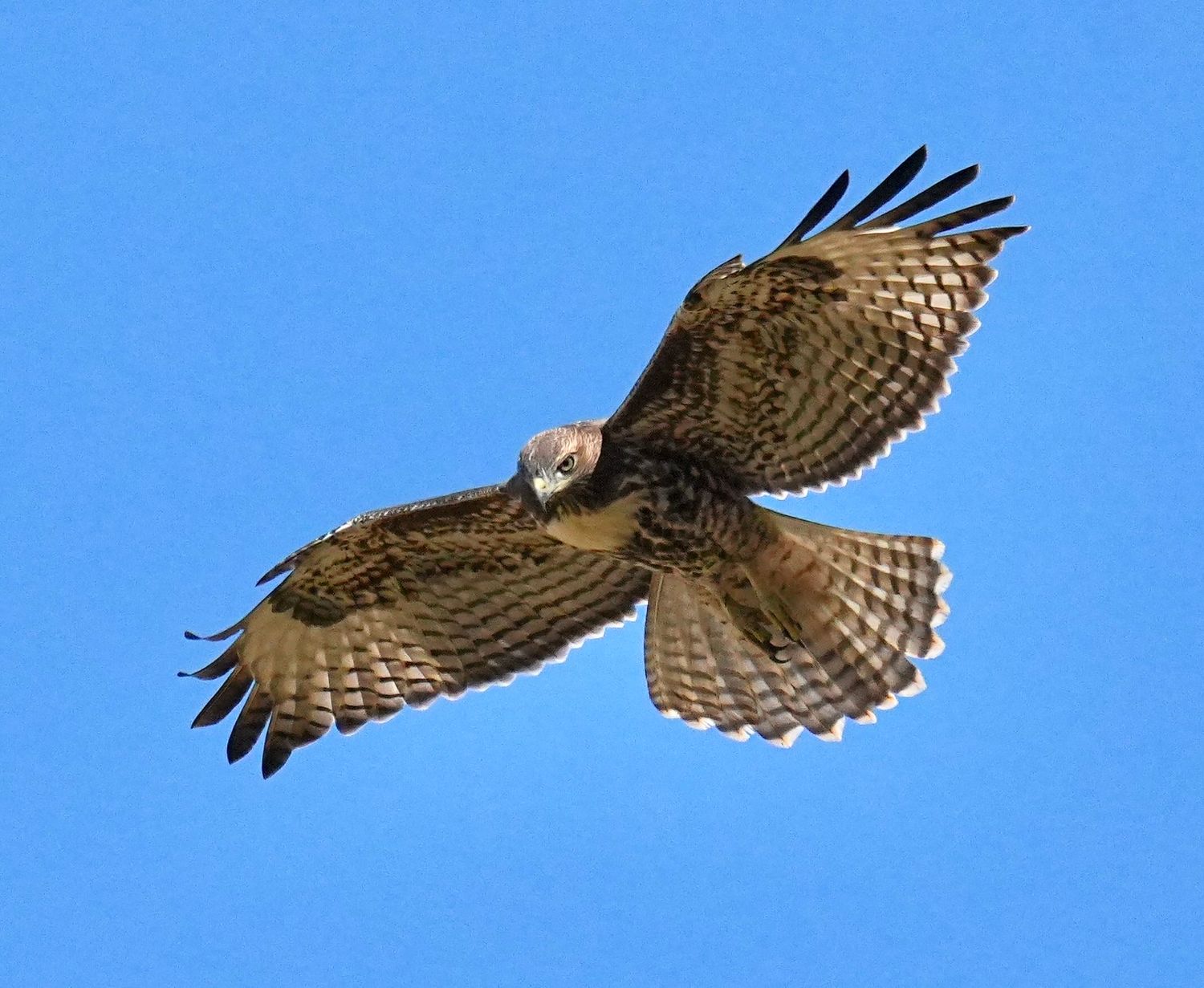
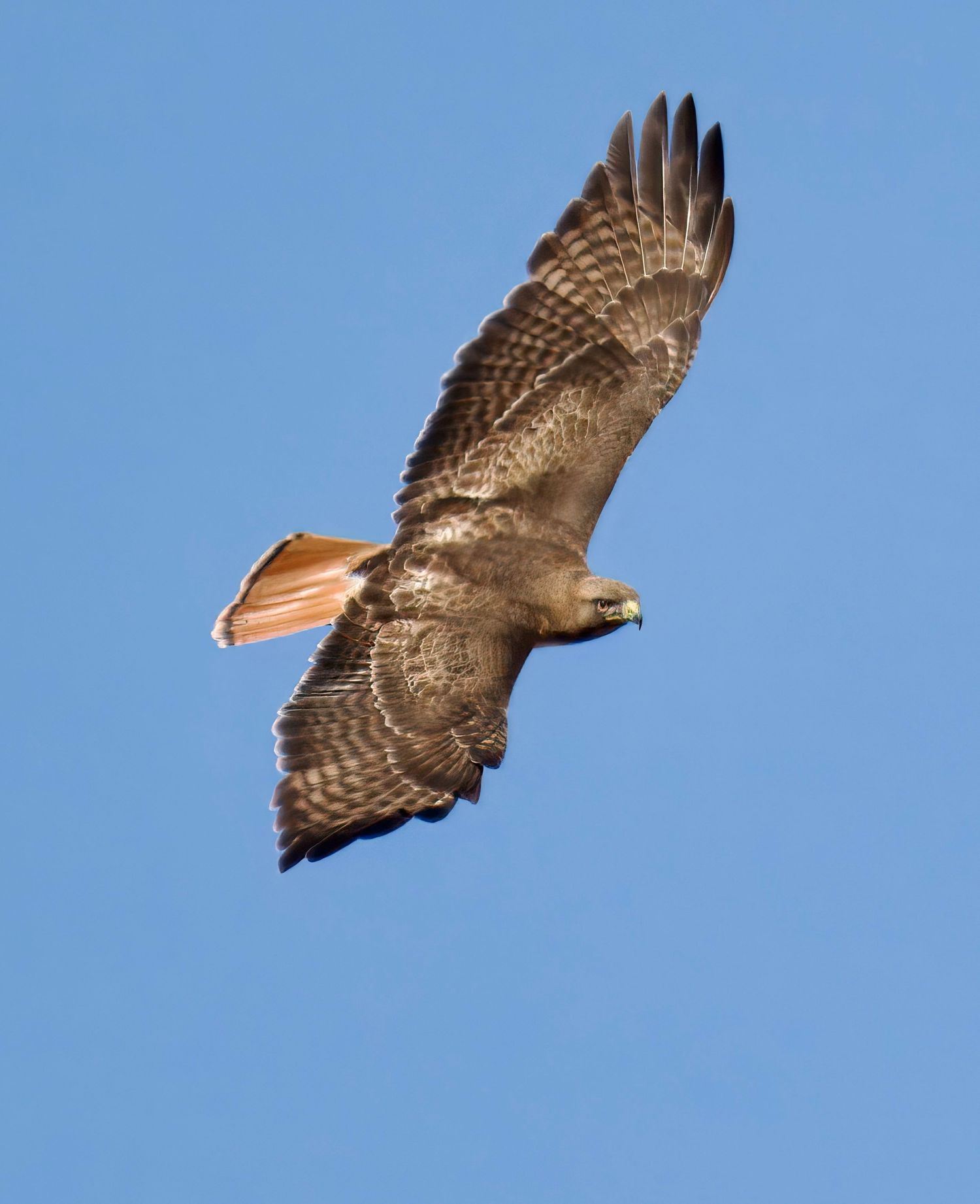
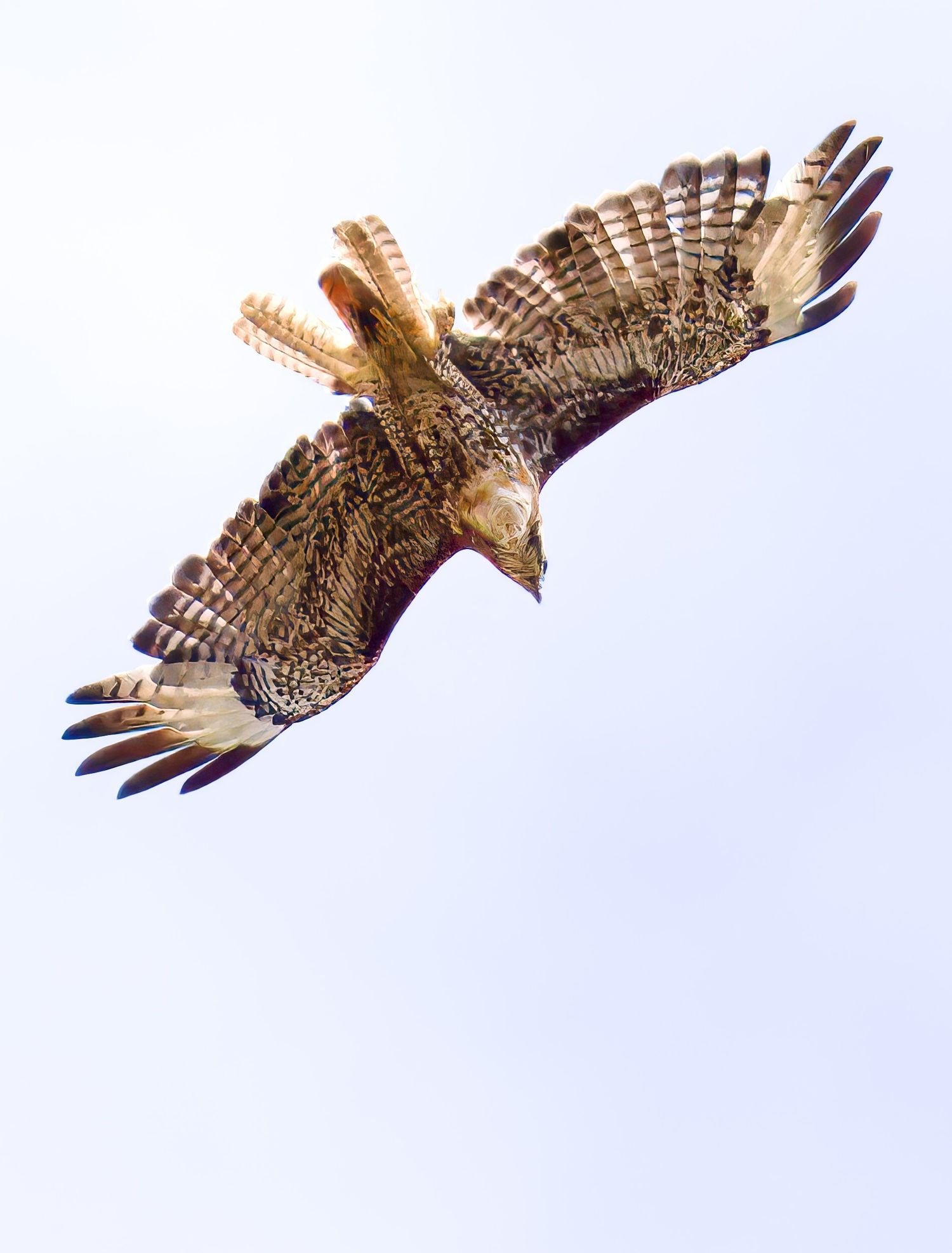
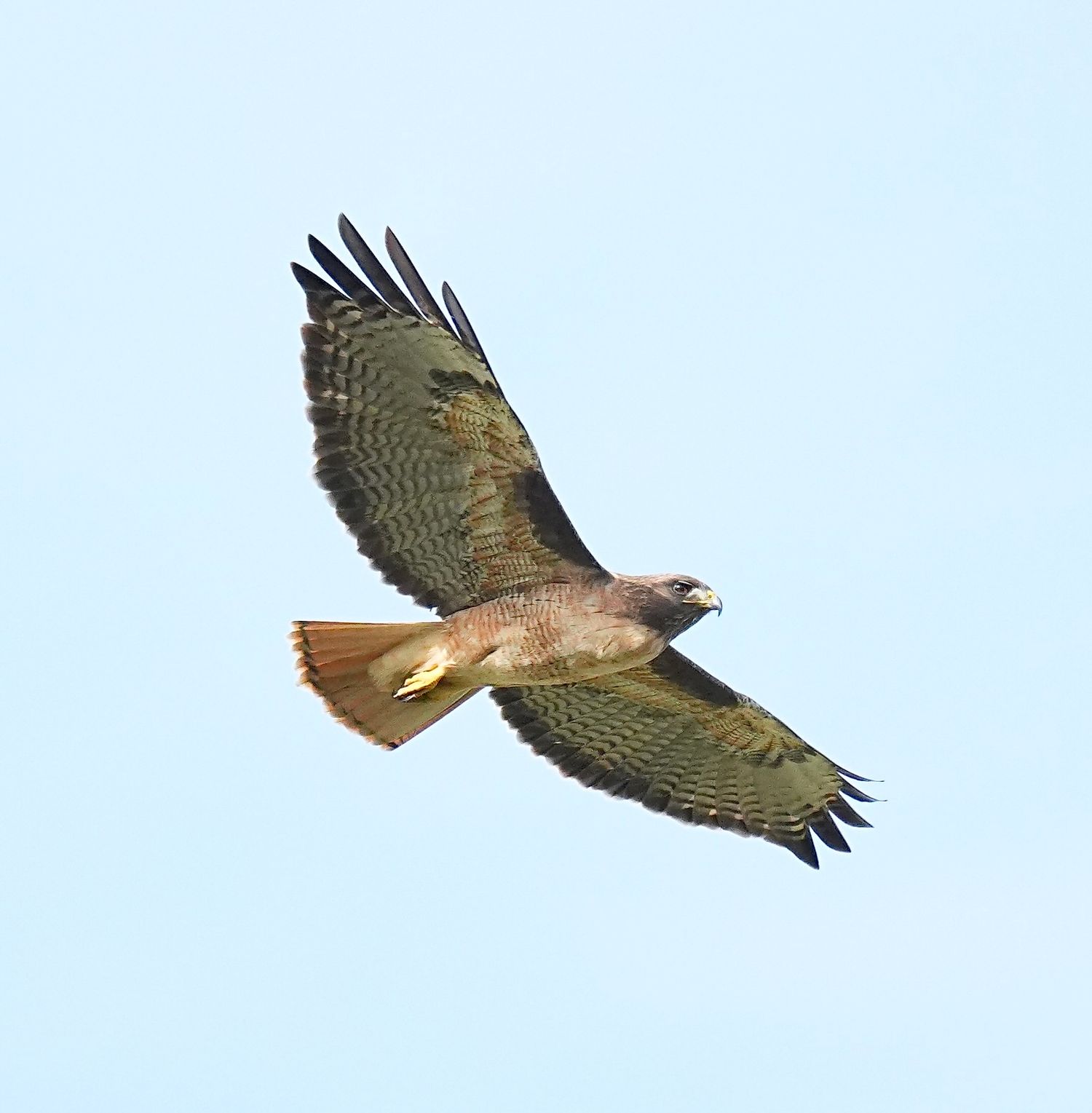
Molt progression-from striped.to rufous.
Juveniles; (1-12months) striped tail
Sub adults: a few red feathers begin to come in
Adults: fully rufous tail with narrow terminal bandband
Cooper's Hawk
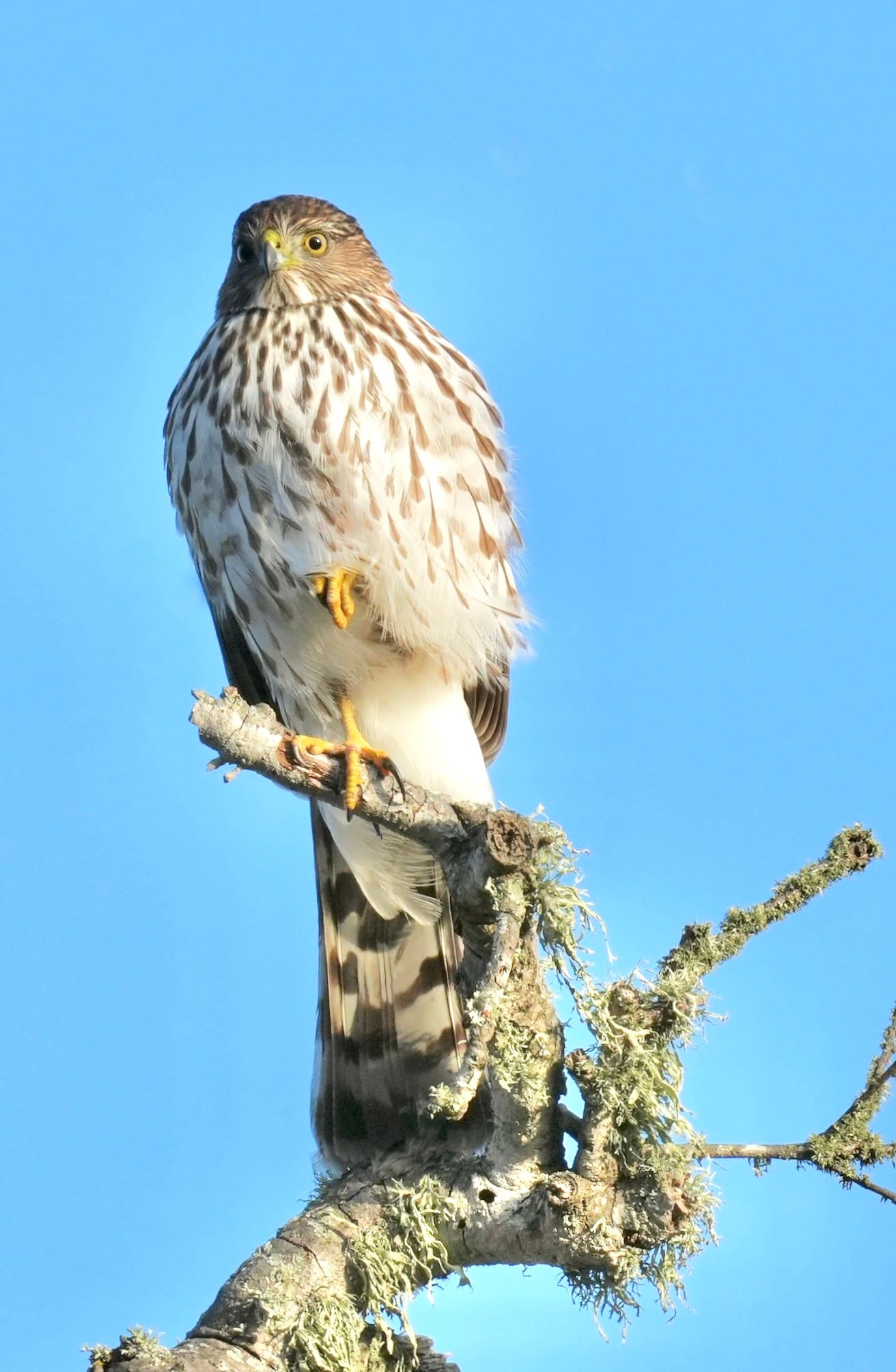
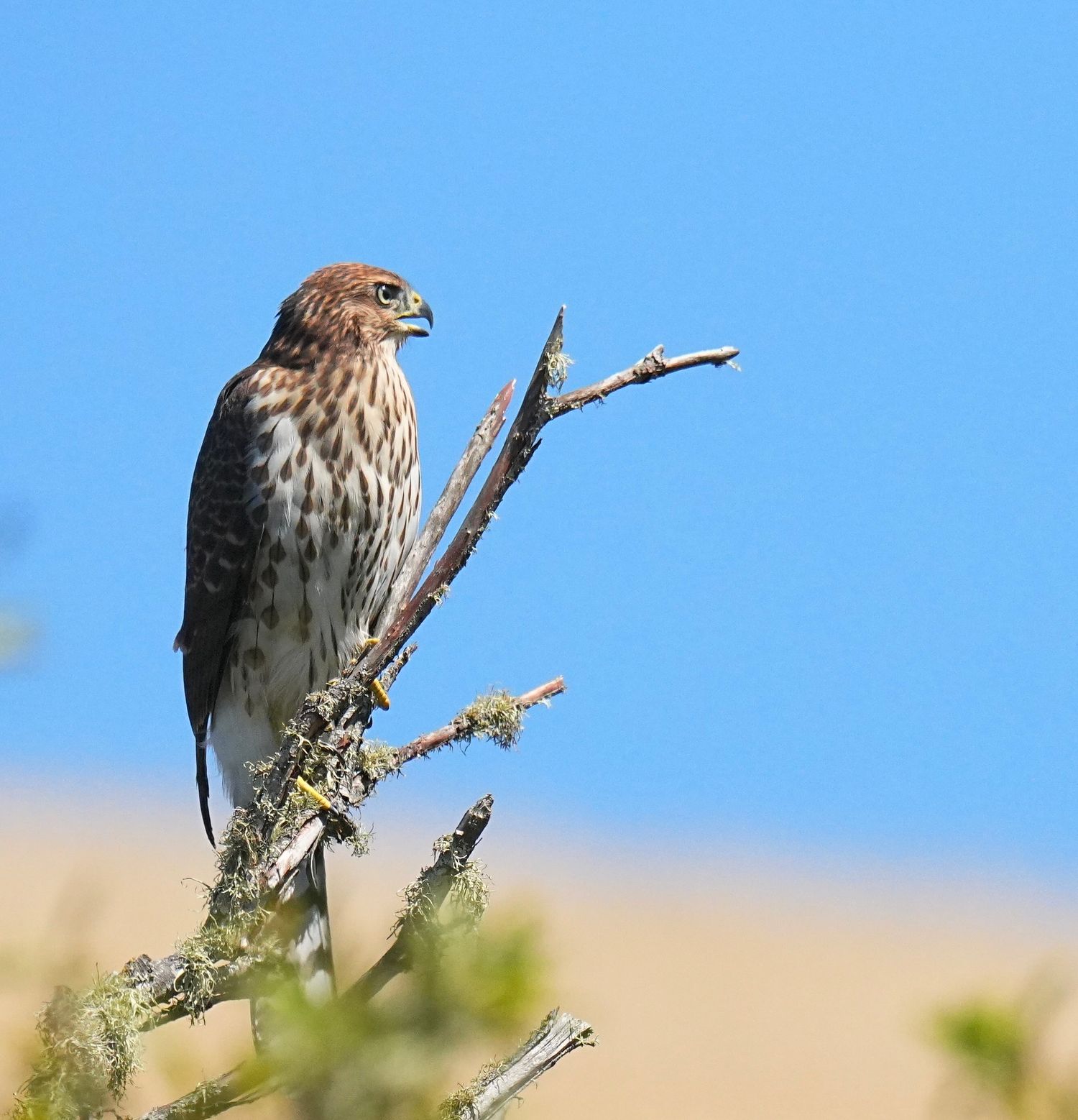
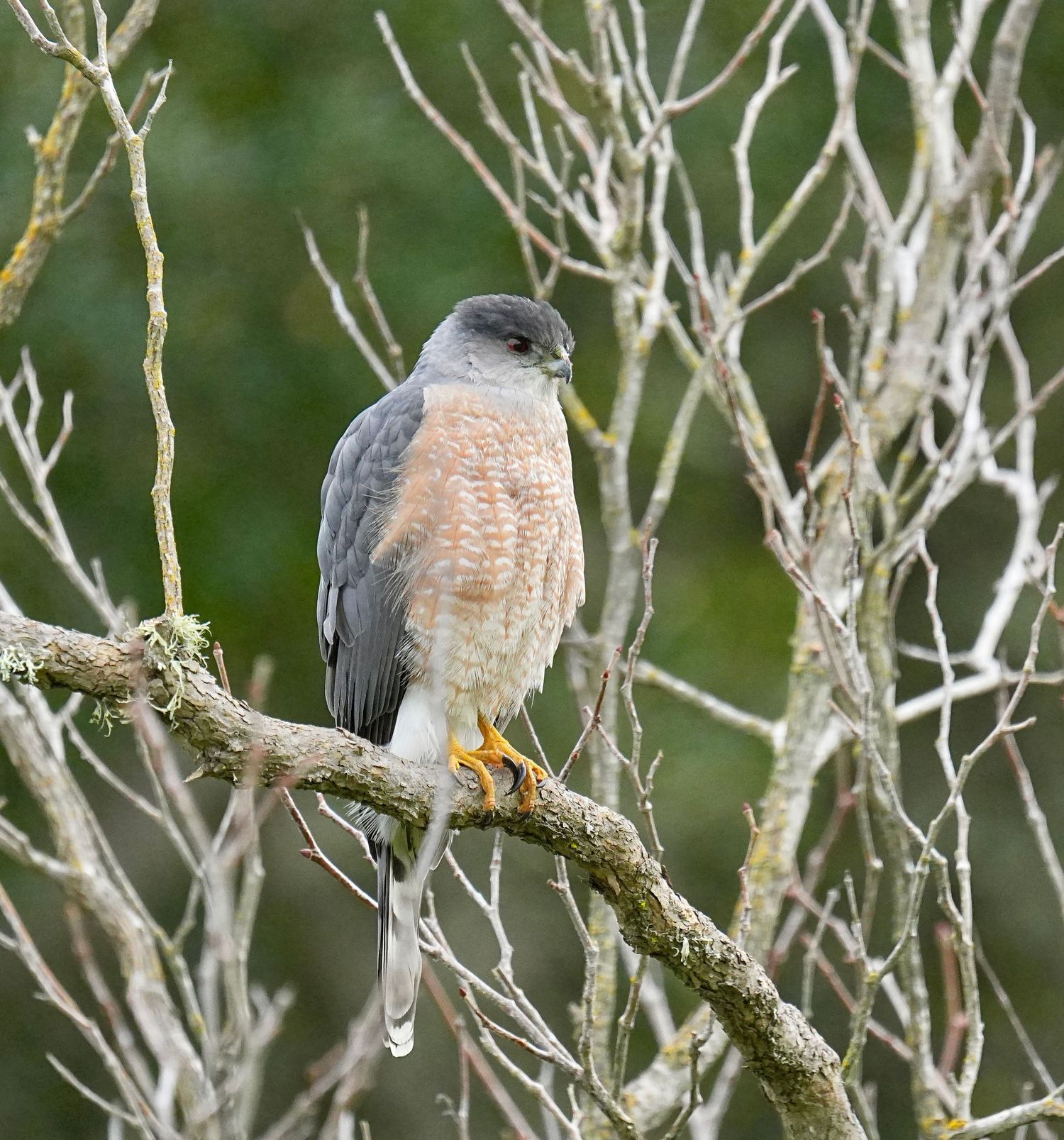
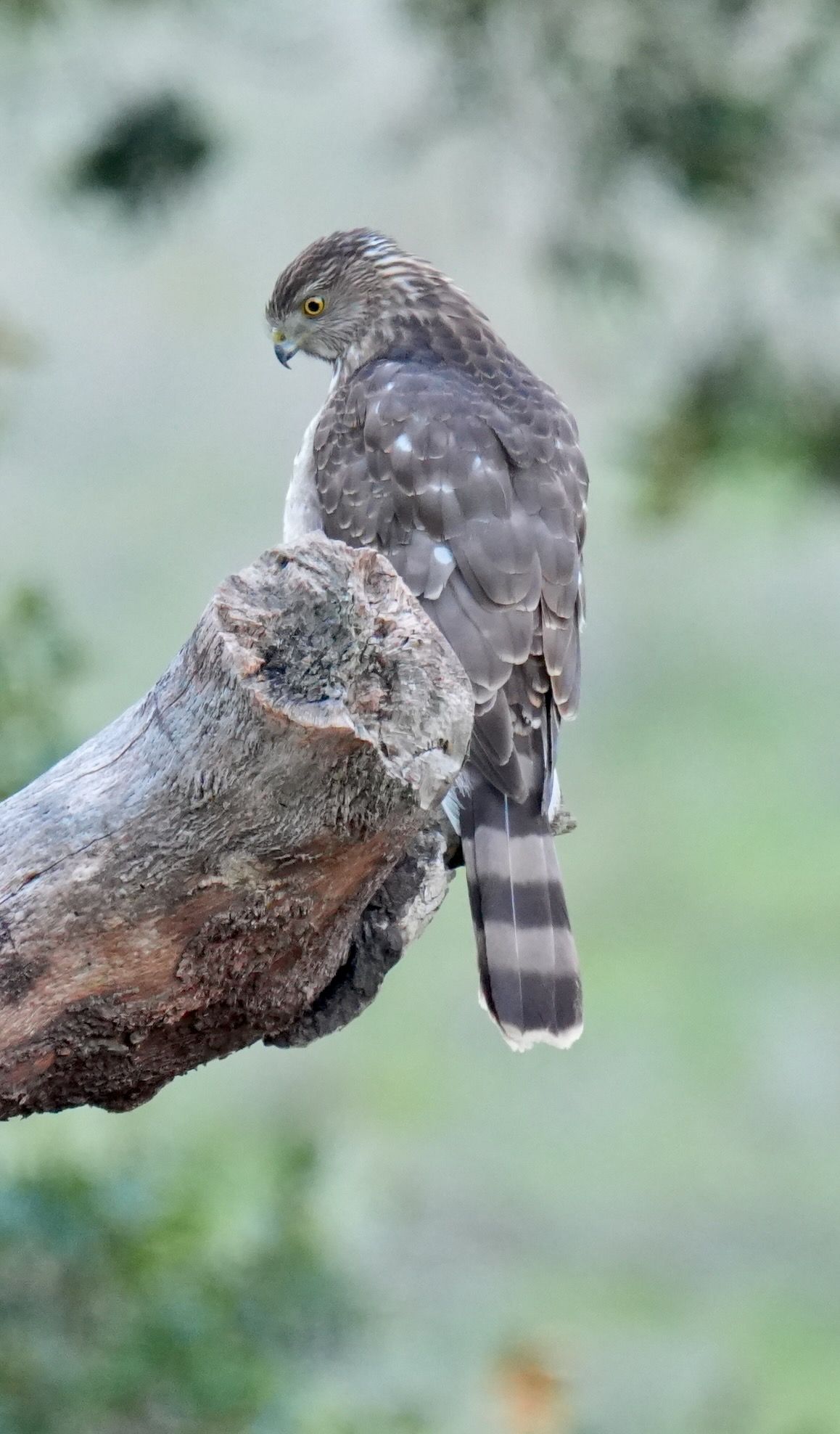
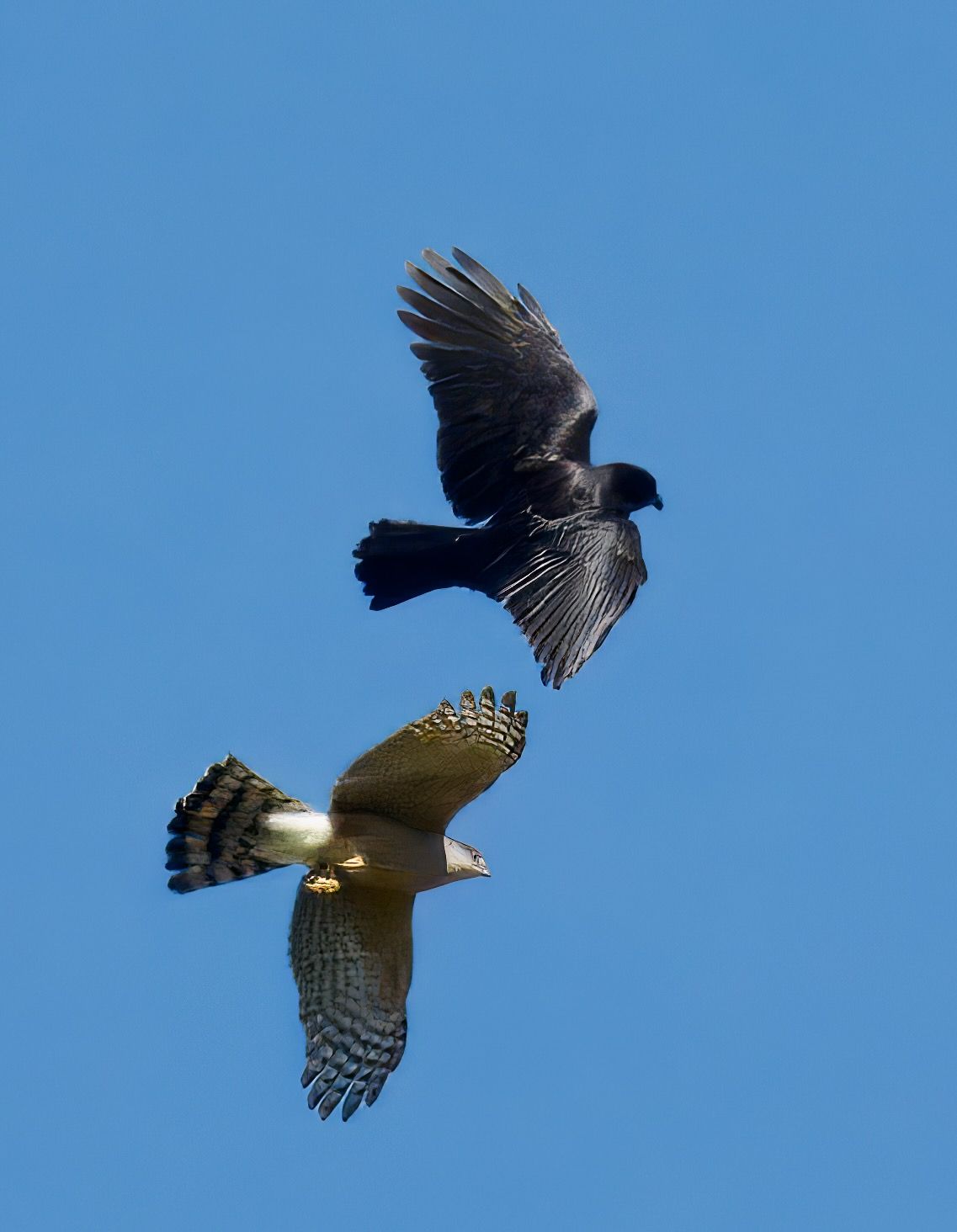
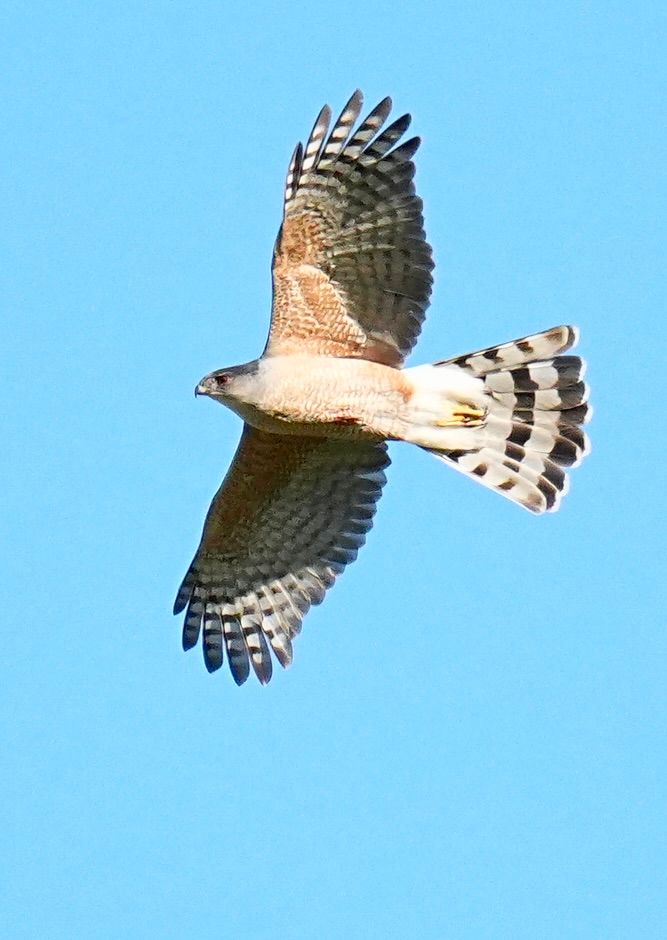
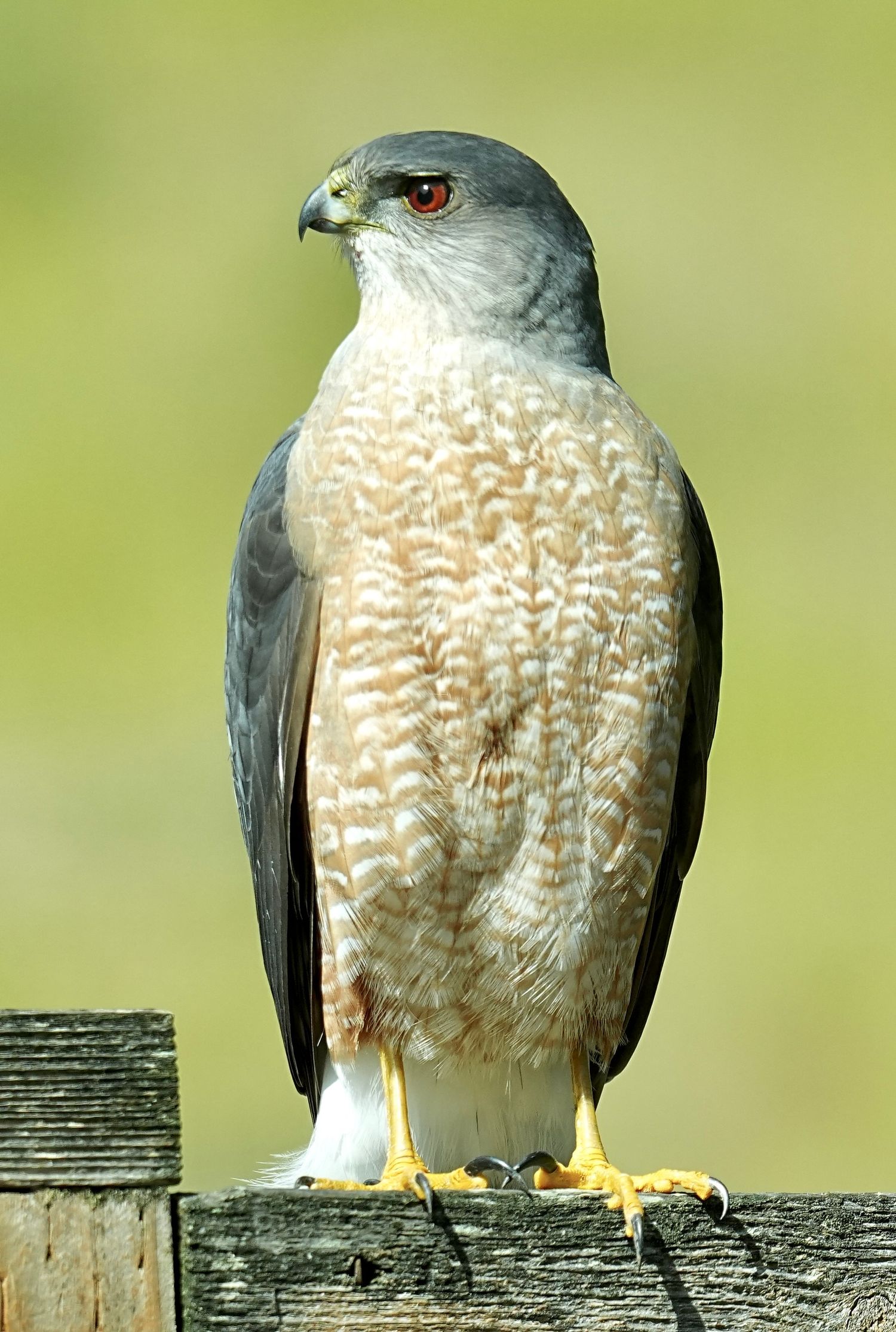
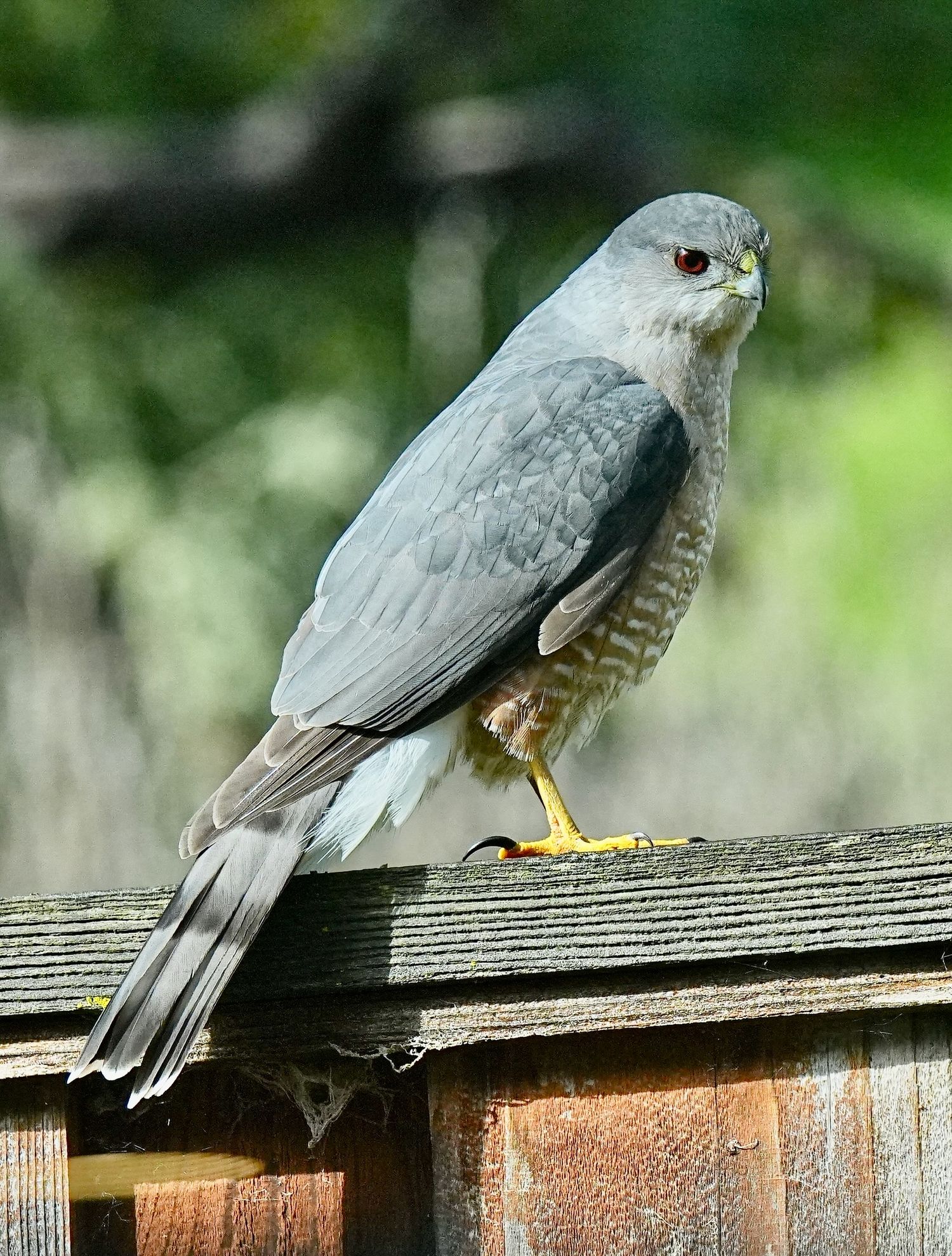
Designed for speed and maneuverability, The Cooper's Hawk is an agile ambush hunter that rules the dense forest canopy. Equipped with short, rounded wings and long tail, this medium-sized raptor is the ultimate scourge of songbirds and small rodents. Don't underestimate their voracity-when it comes to defending their nest, these fierce accipiters have no problem fighting above their weight class. Even the Massive Red-tailed Hawk will relent under their aerial assault and allow themselves to be escorted out of their territory.
Early mornings often find the Cooper's Hawk conserving energy through perch hunting, patiently scanning from a fixed vantage point rather than expending effort on active pursuit-and in doing so, giving photographers a rare chance to capture a stationary subject.
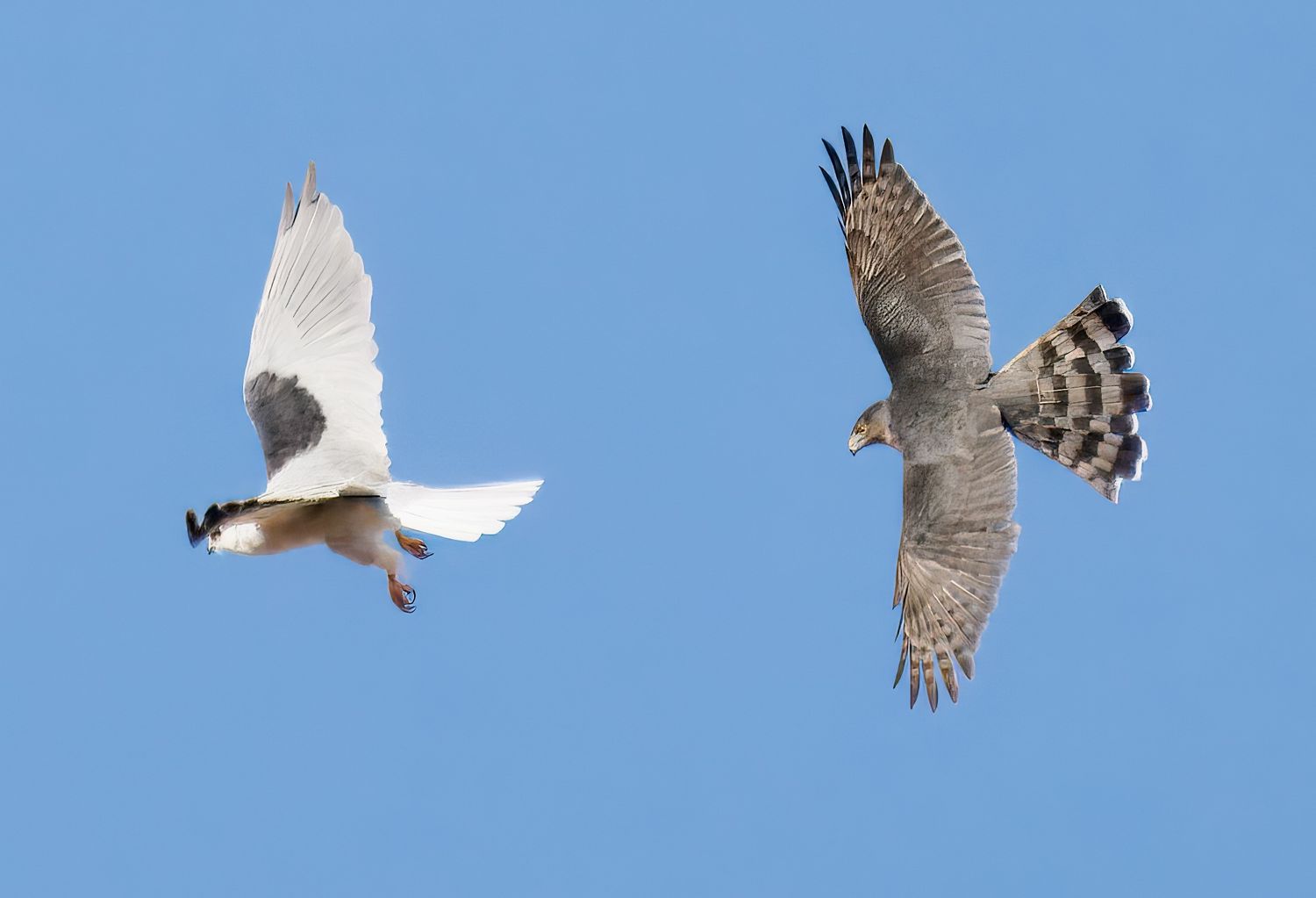
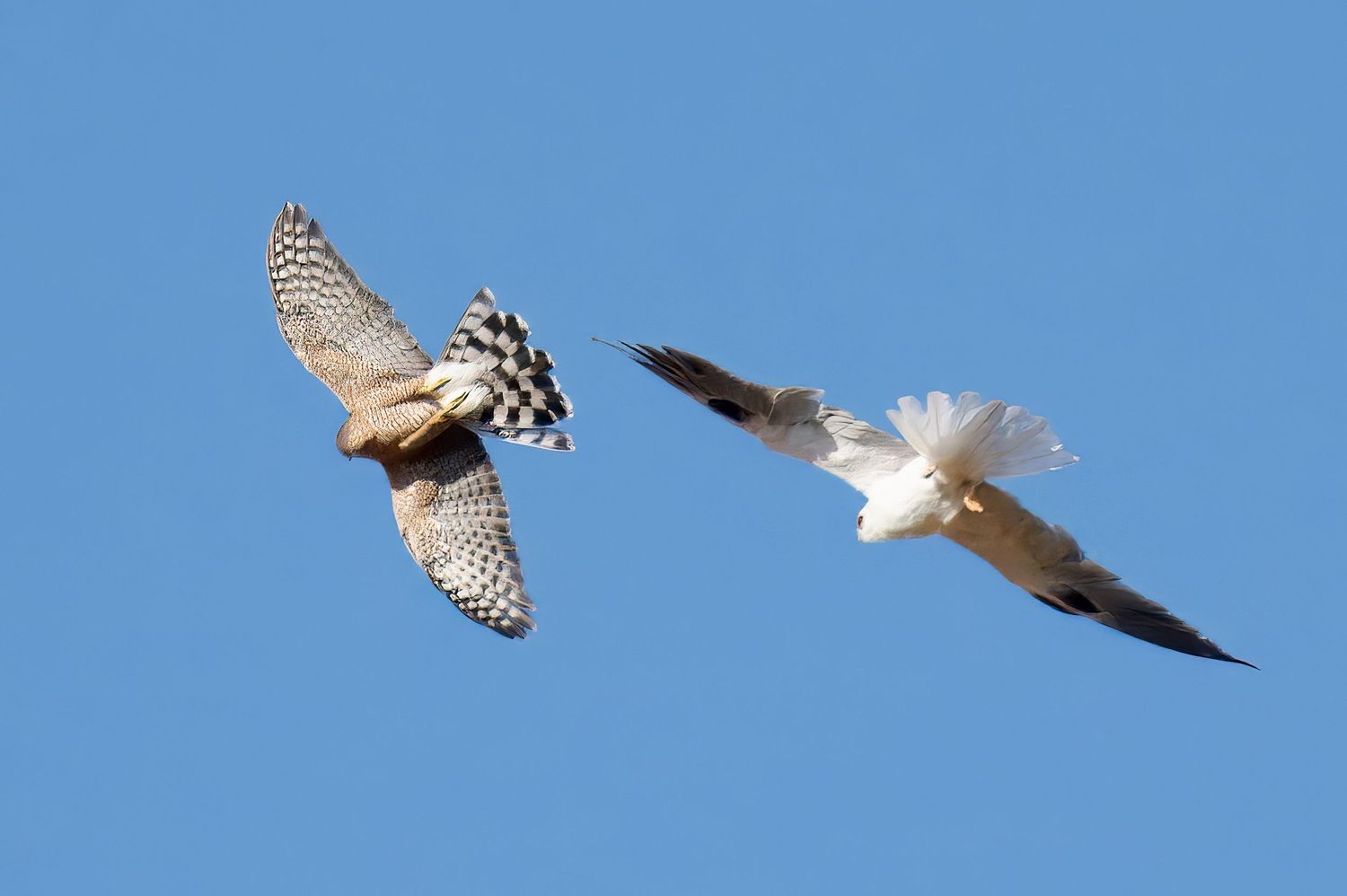
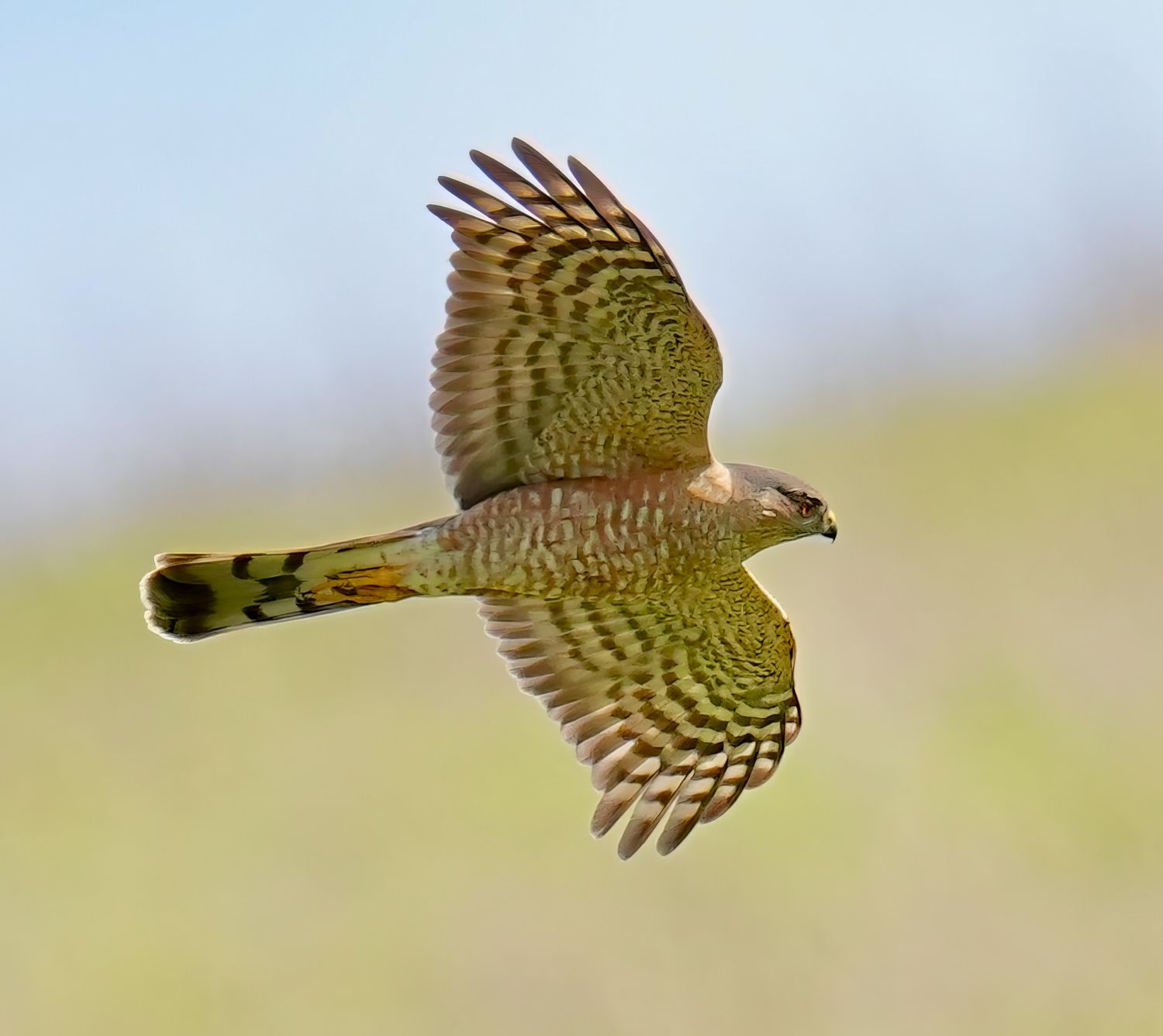
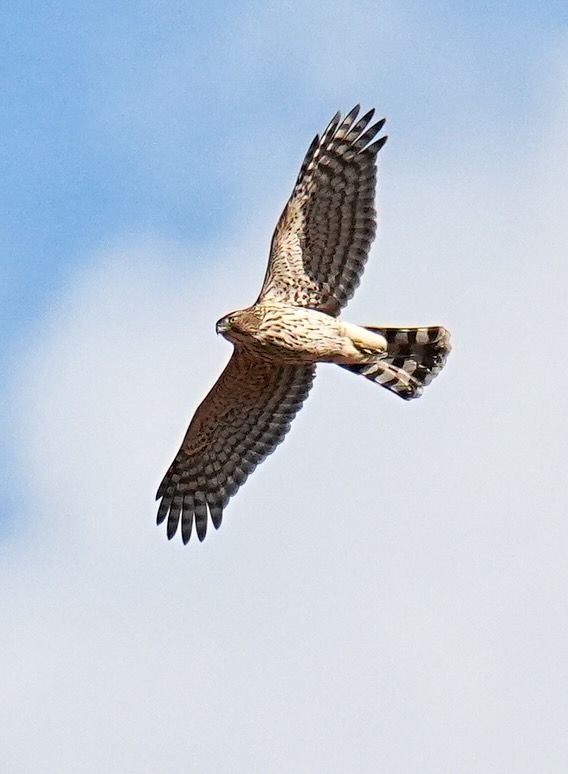
White Tailed Kites
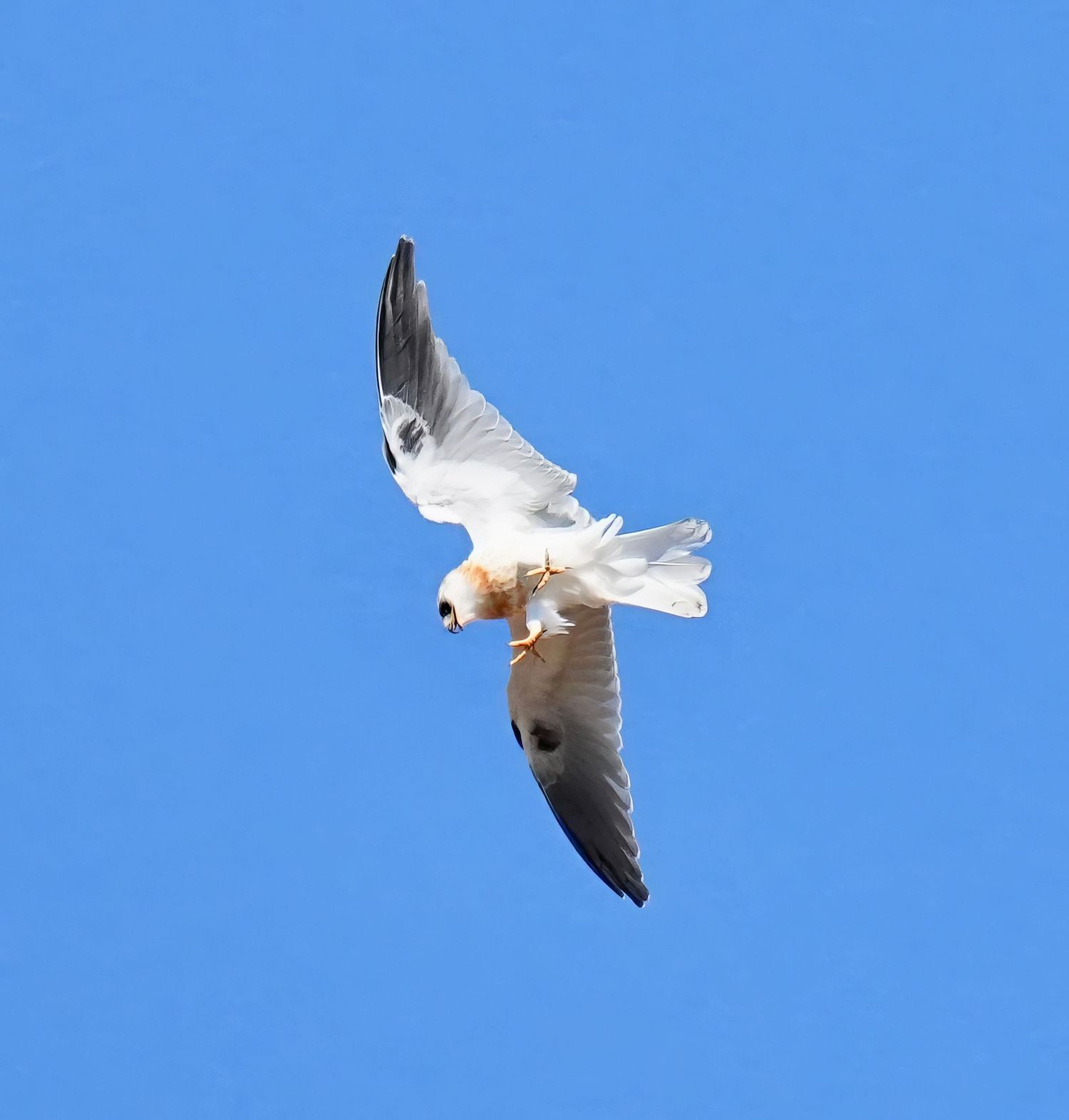
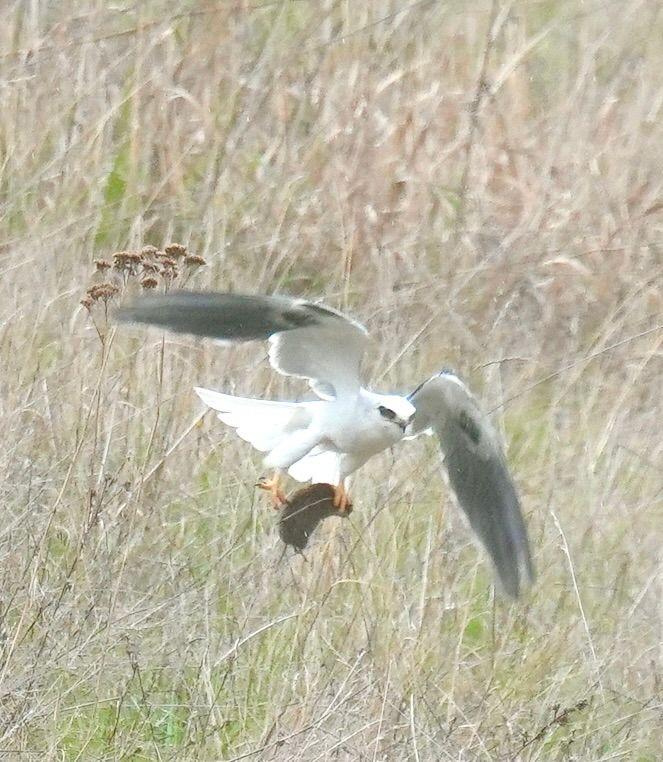
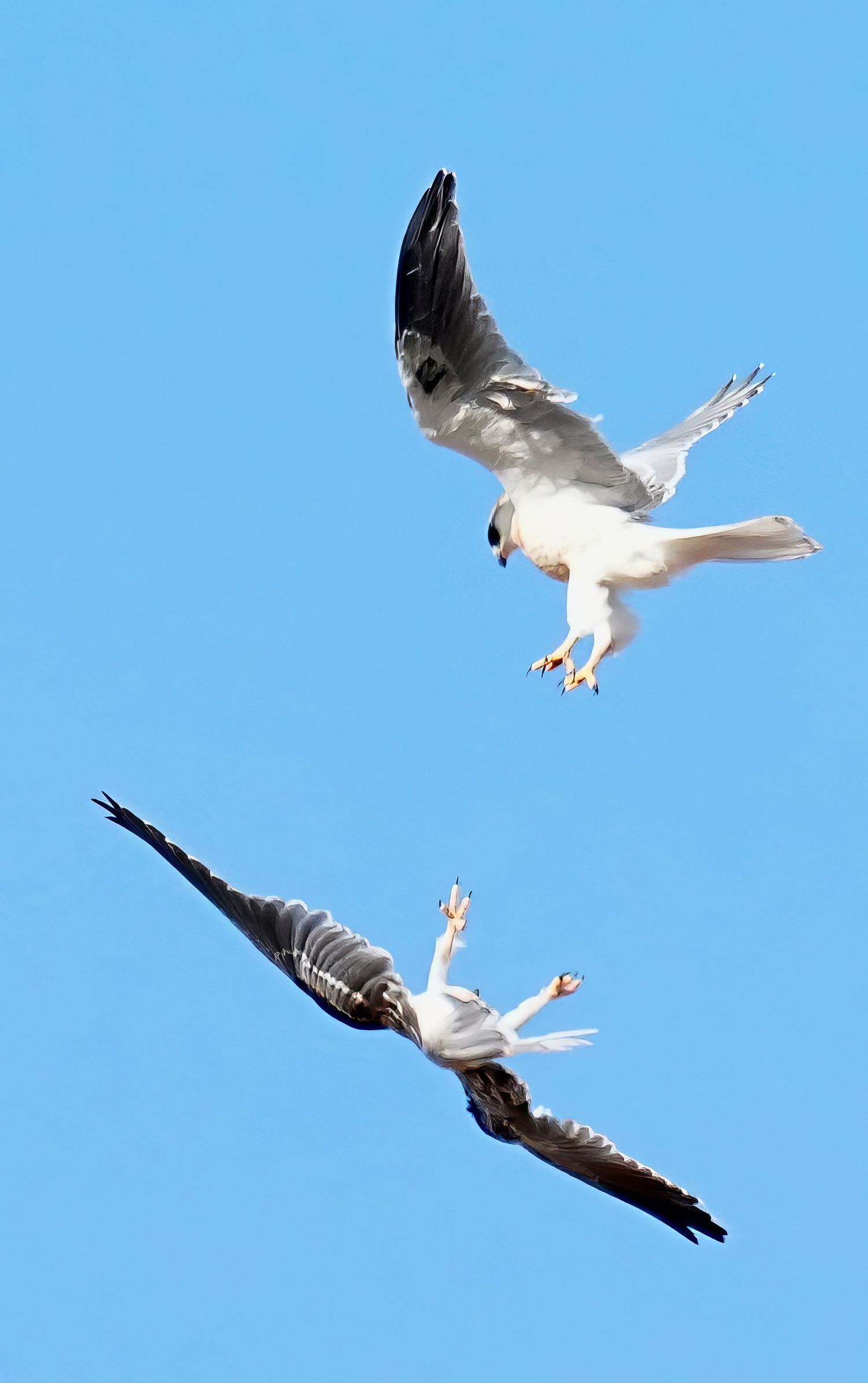
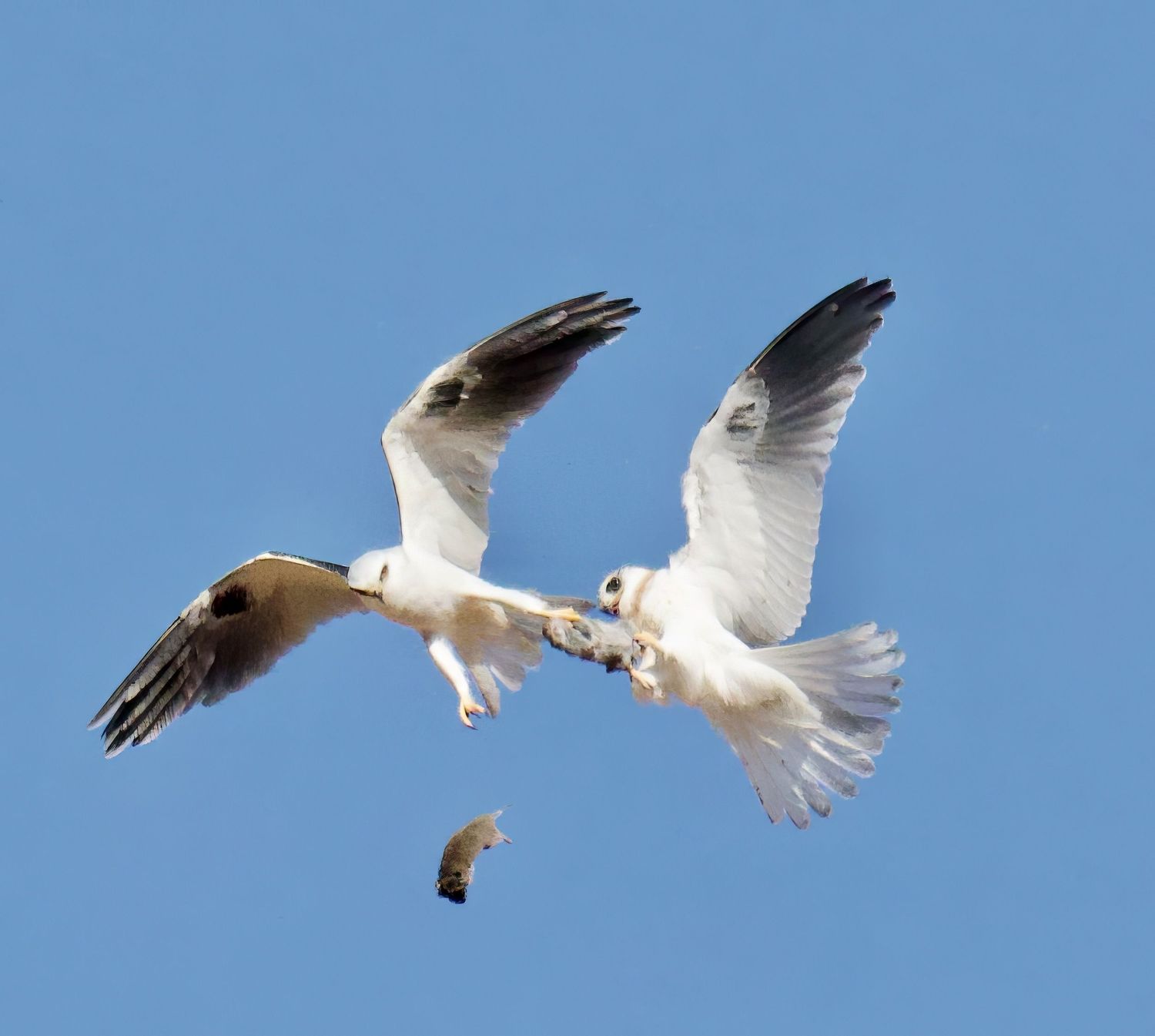
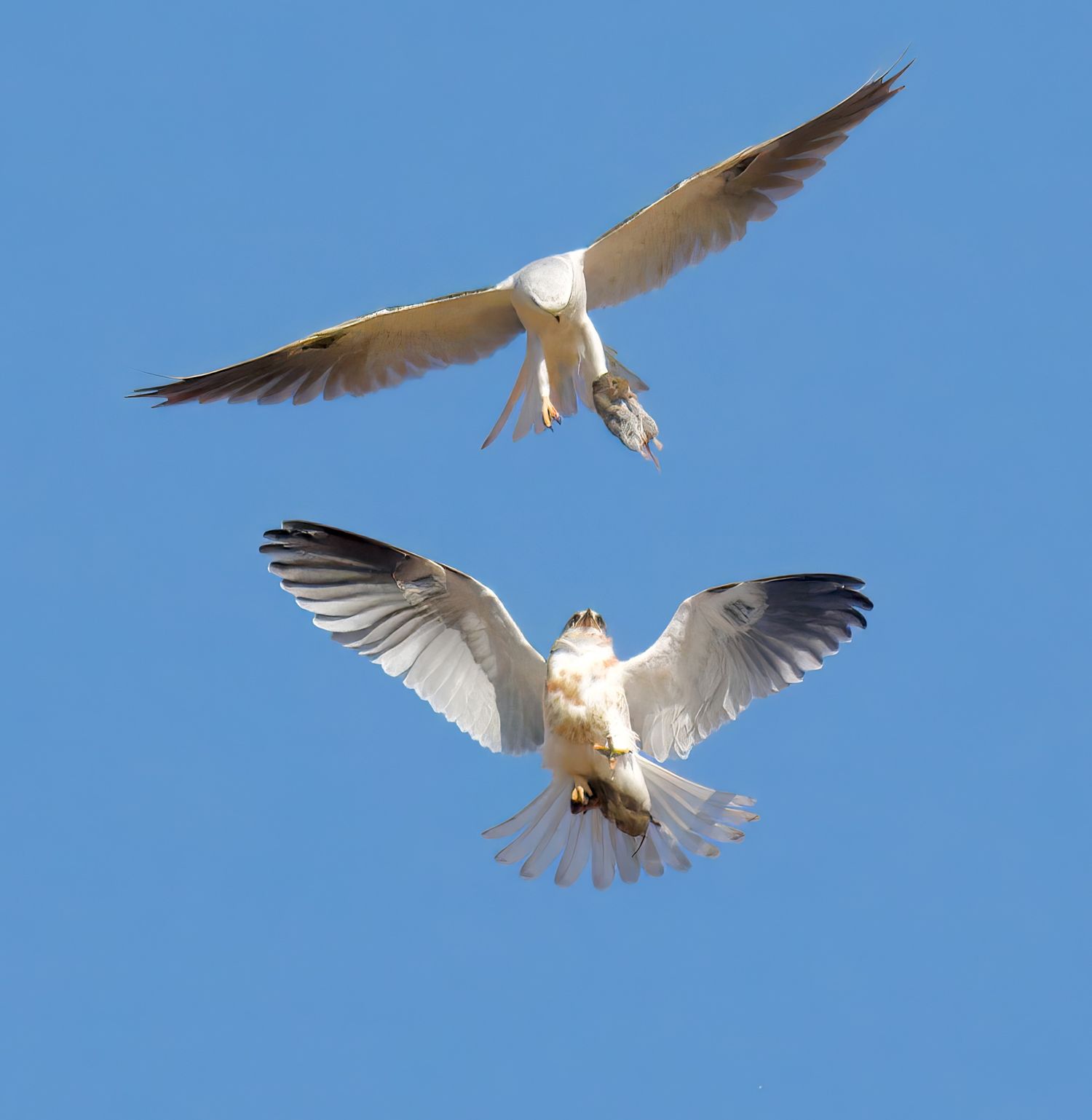
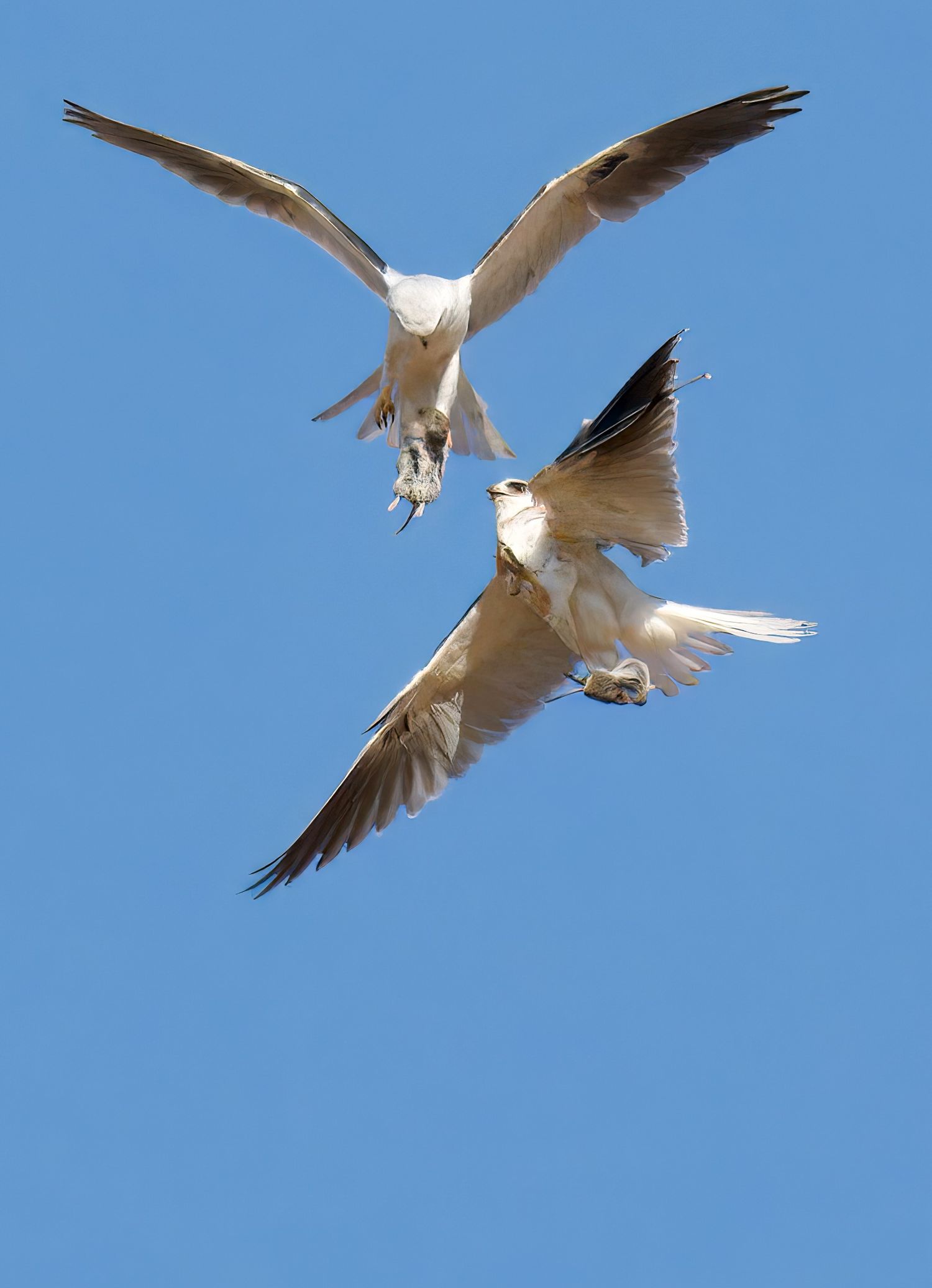
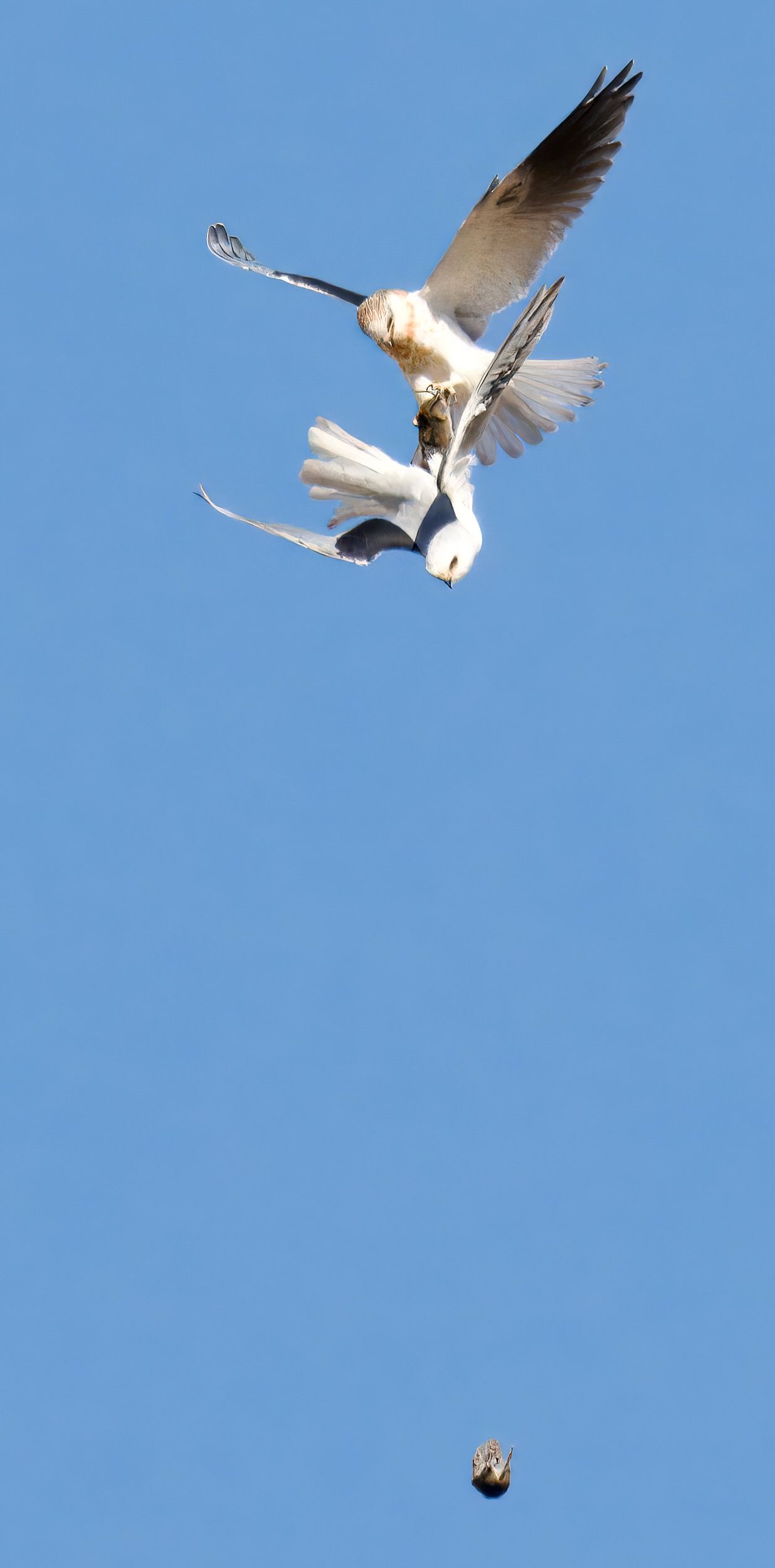
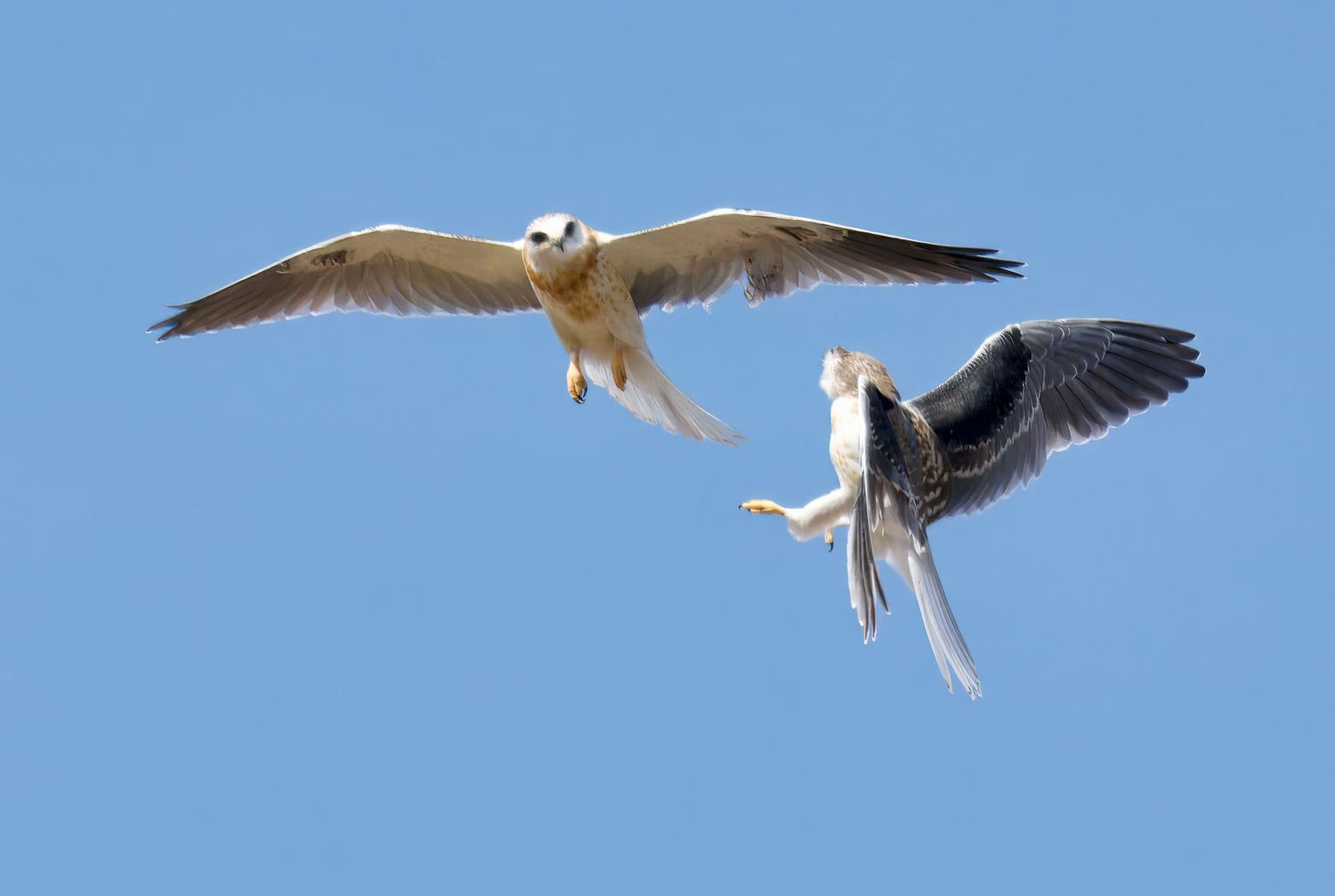
The White tailed Kites a study in pure elegance as it hovers, or "kites," completely stationary above its next meal. A specialized, vole-eating machine, it is efficient and deadly. I was fortunate enough to encounter a visiting troupe of these clamoring, angelic raptors; they stayed for just two days before vanishing, leaving behind a fleeting glimpse into their social world. Within these communal groups, the complex process of sharing, catching, and stealing prey from one another's essential to survival. Adults will often drop a vole in mid-air to reinforce the skill of snatching meal on the wing. Hunger provides a powerful incentive for the fledglings to learn quickly, and the adults ensure the young have every opportunity to master the wind before having to face the hunt alone. Having nearly faced extinction last century, legal protection and the elimination of DDT have thankfully given these resilient hunters a solid second chance
Northern Harrier
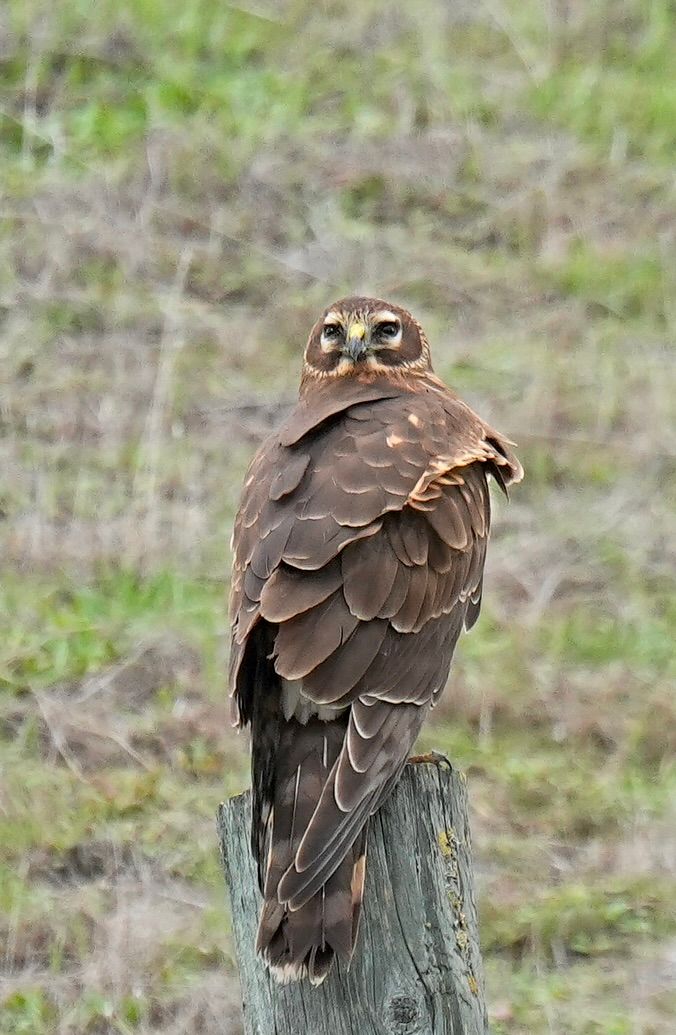
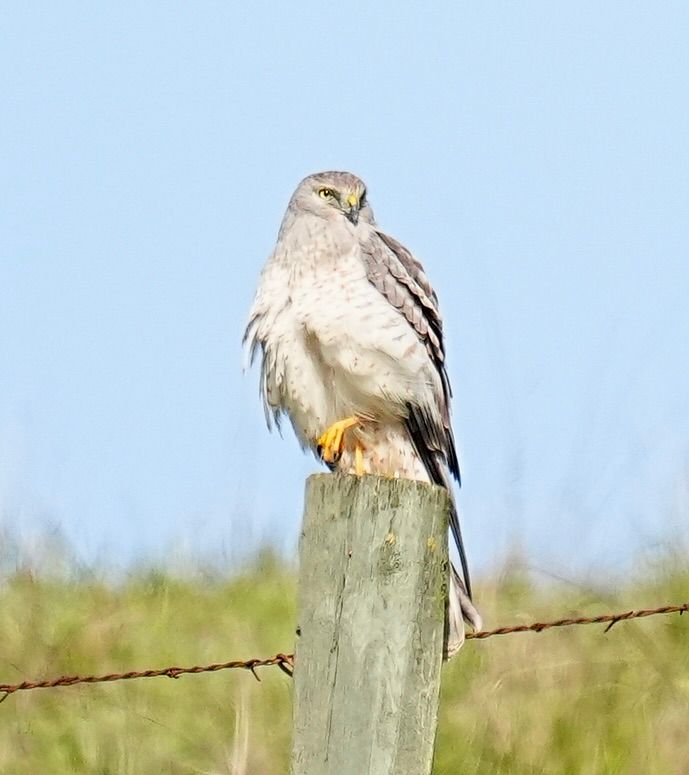
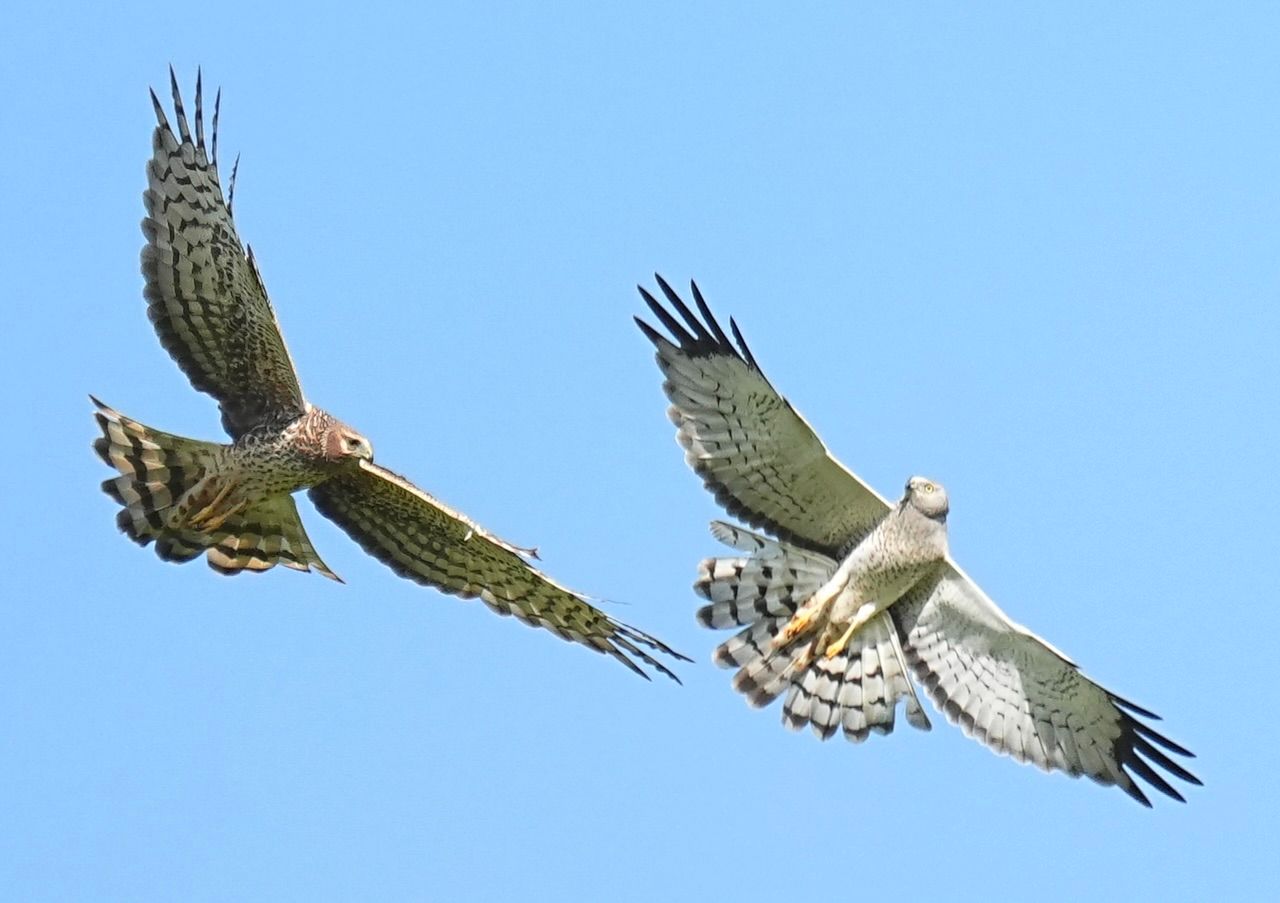
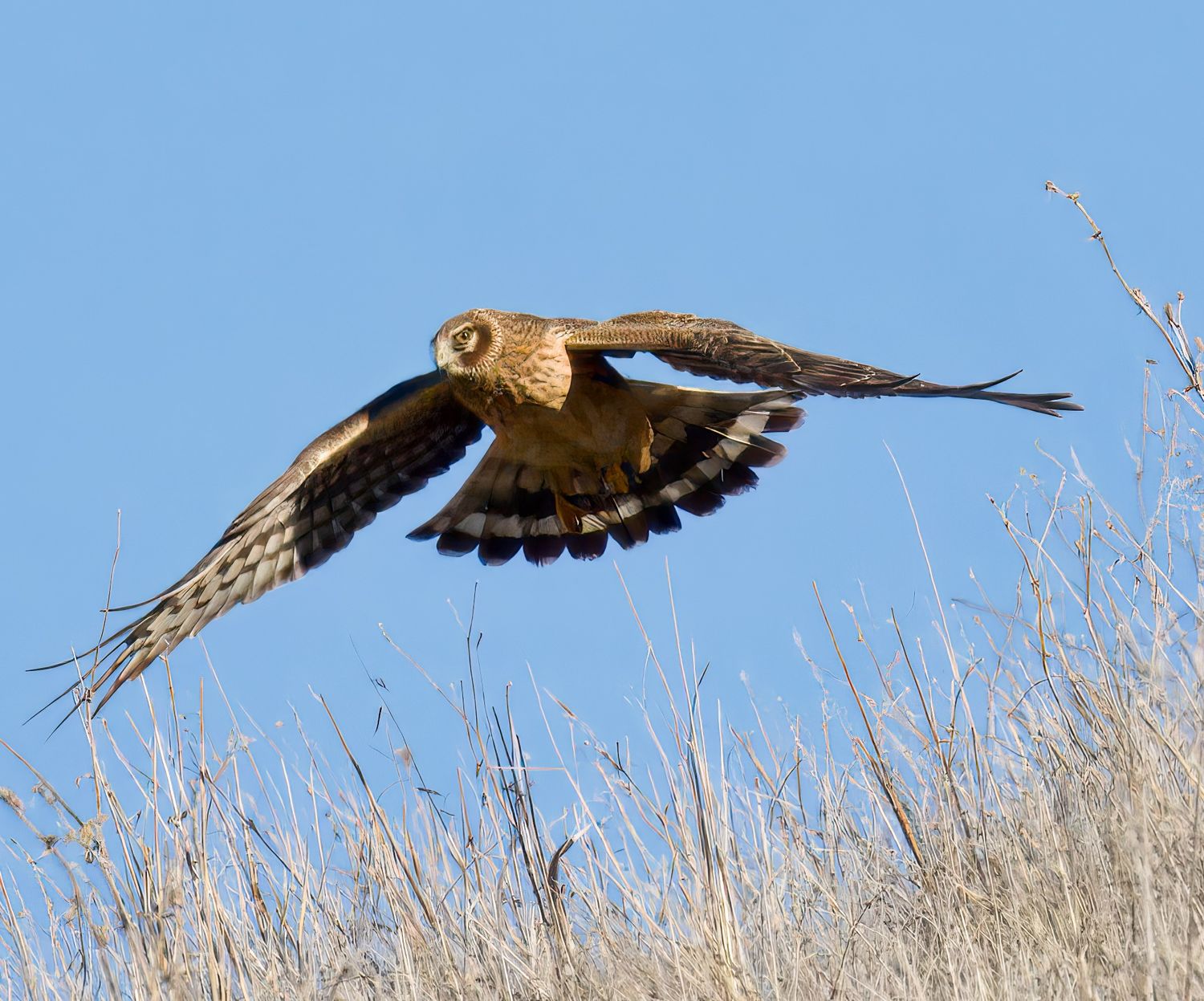
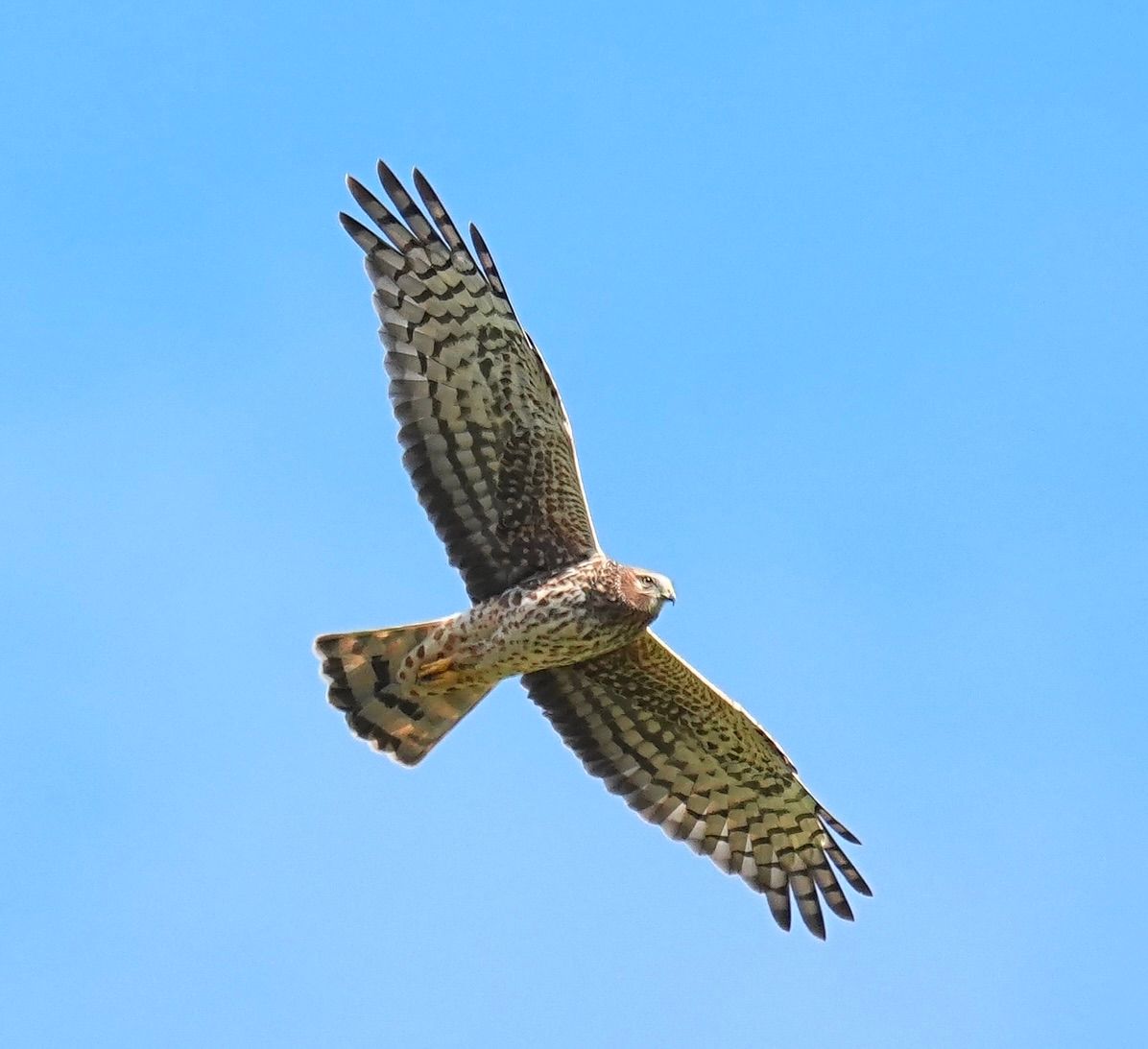
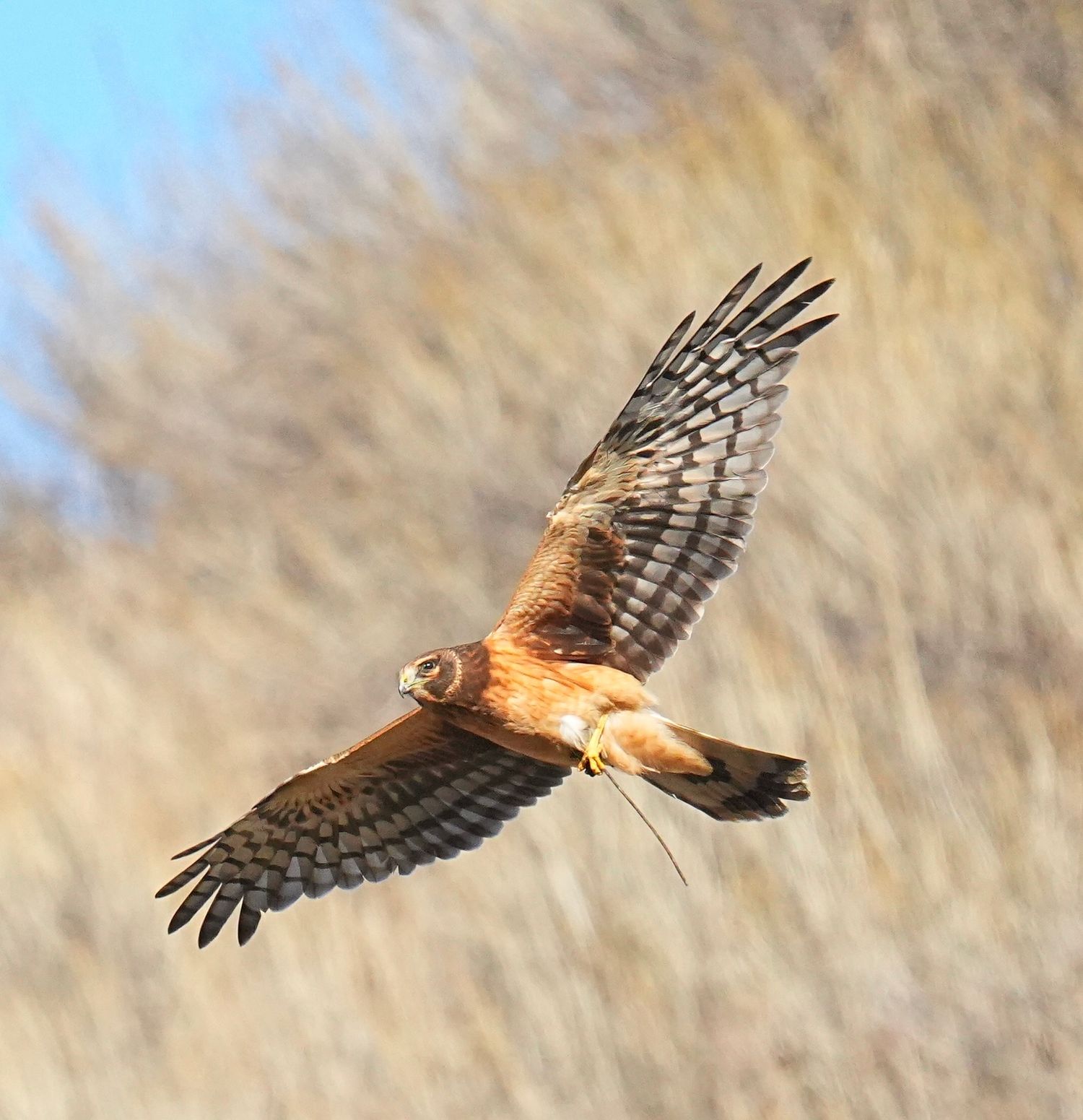
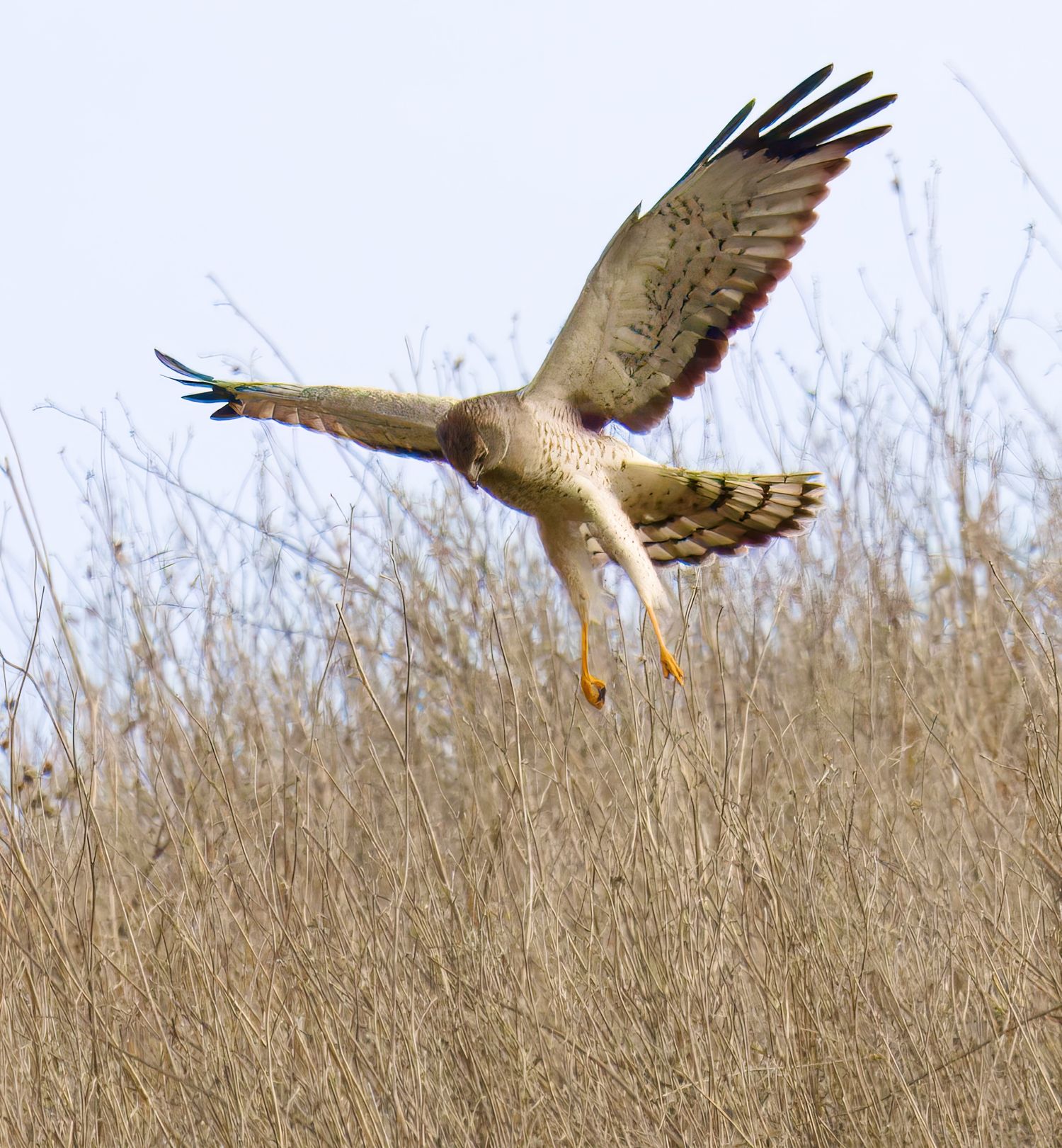
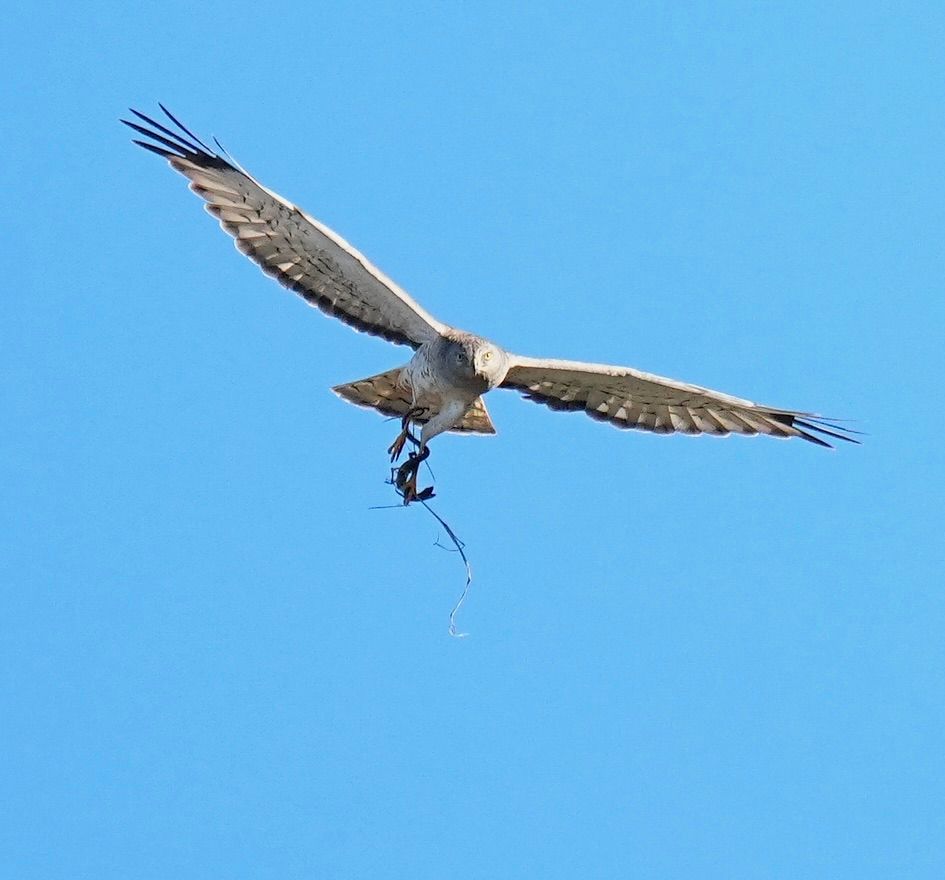
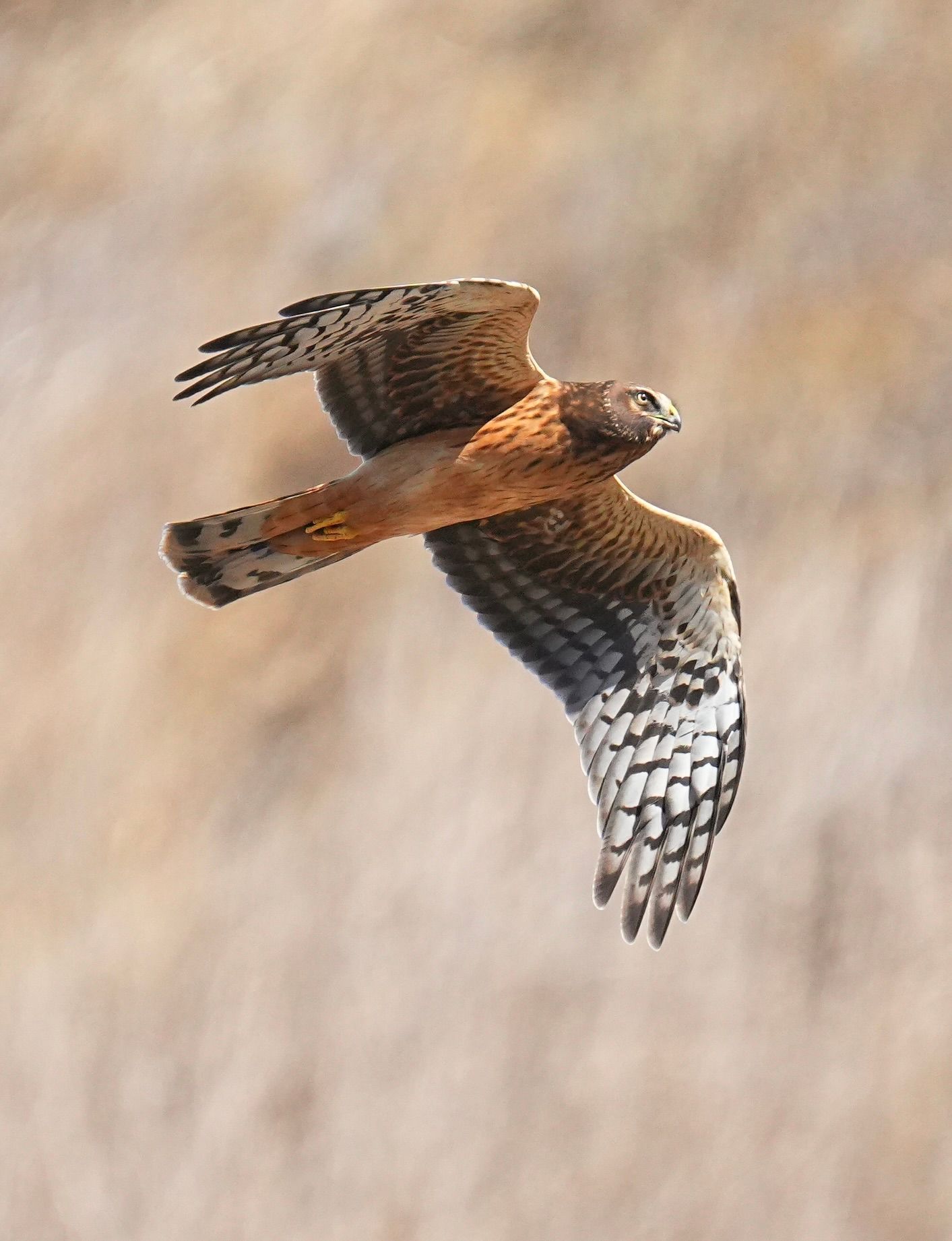
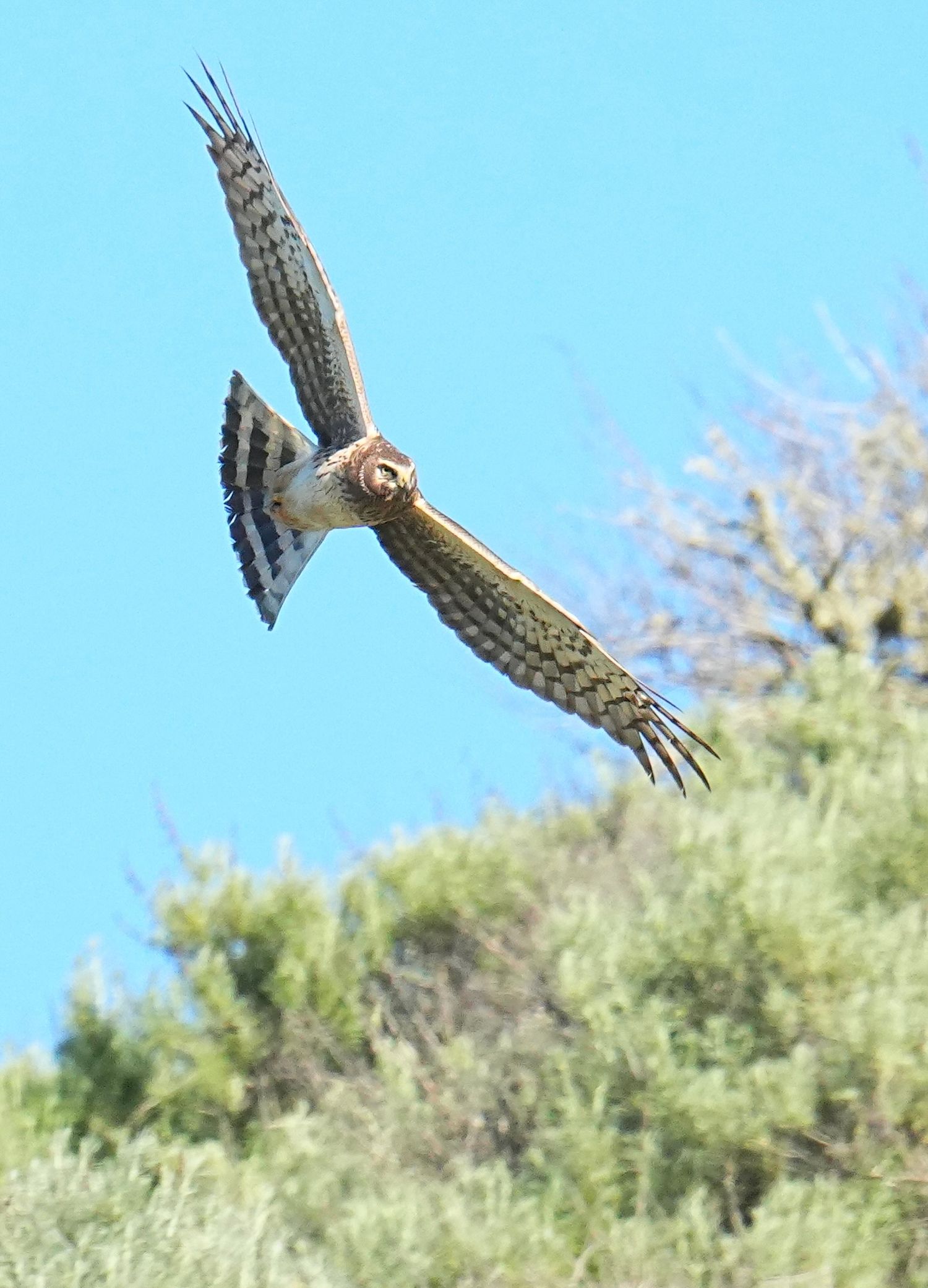
Flying low and slow to locate prey over open fields and marshes, the Northern Harrier has become a favorite of wildlife photographers. Relying on an exceptional combination both keen sight and acute hearing, they hug the landscape in a way no other raptor does.
They exhibit some of the most striking sexual dimorphism of any raptor species in North America-so much so that a casual observer might easily mistake the male and female for entirely different species. Males are sleek, pale ghost-grey with black wingtips, while the noticeably larger females sport a a heavily camouflaged brown and streaked plumaged designed to blend into marsh and lowland plants.
While their favorite food items are primarily small mammals, they are opportunist hunters, the occasional reptile offers a bit of variety.
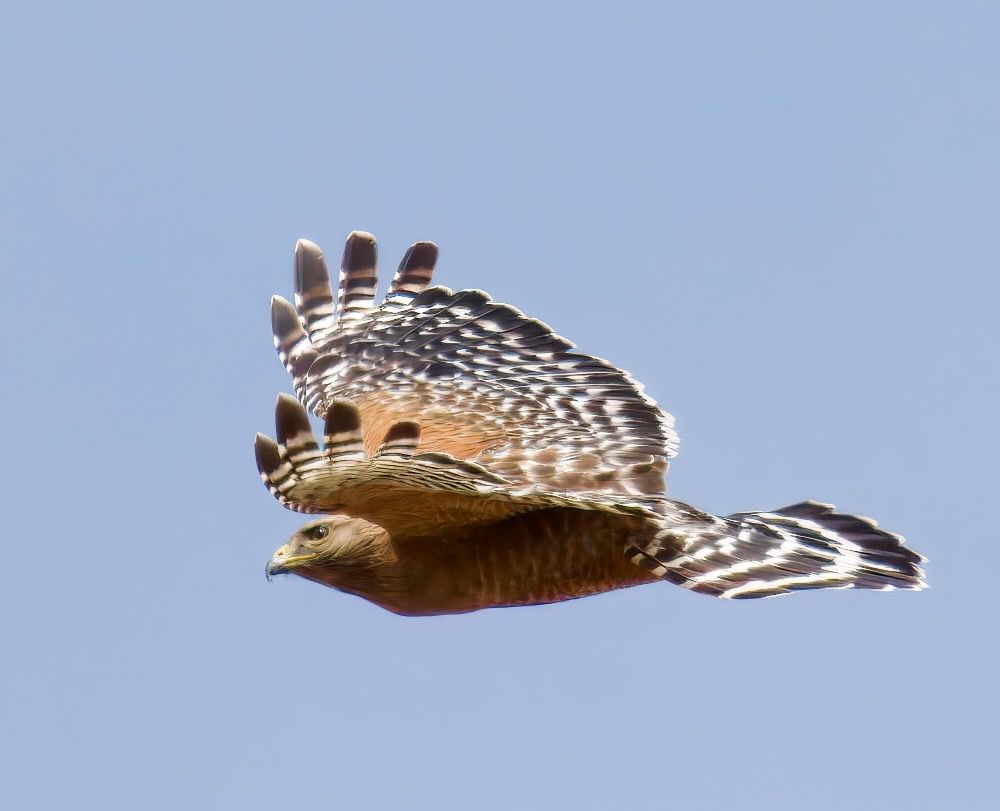
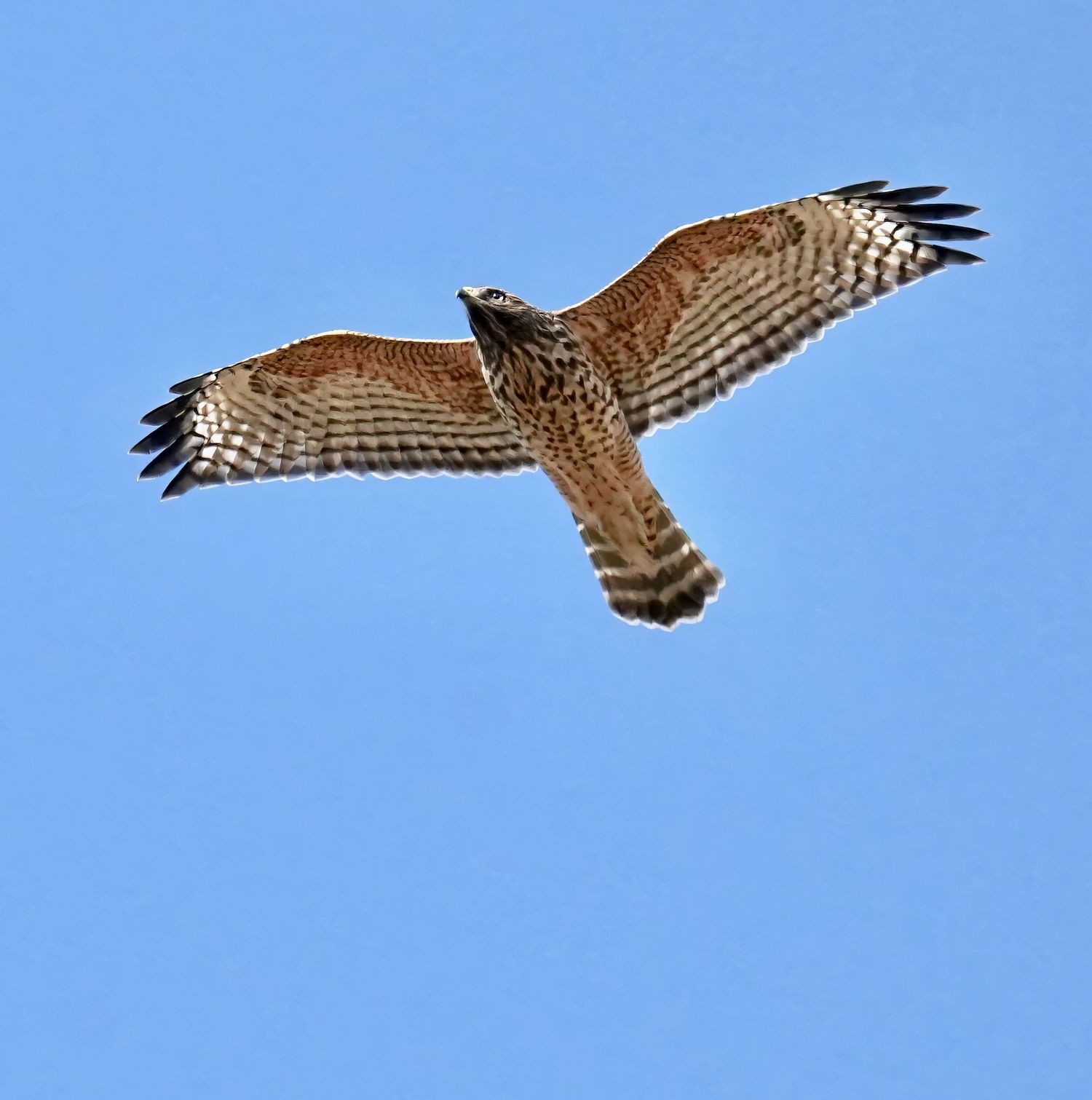
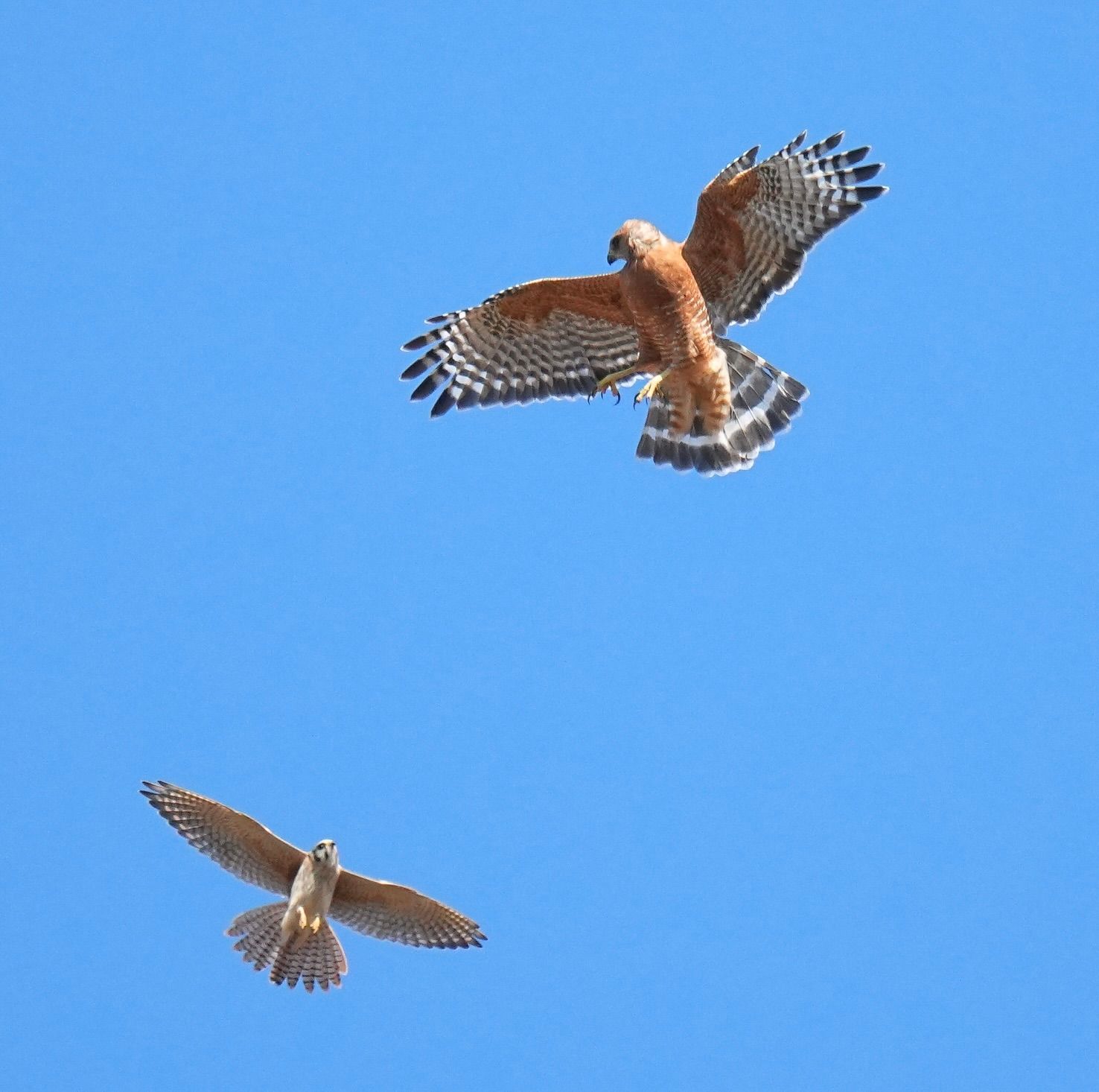
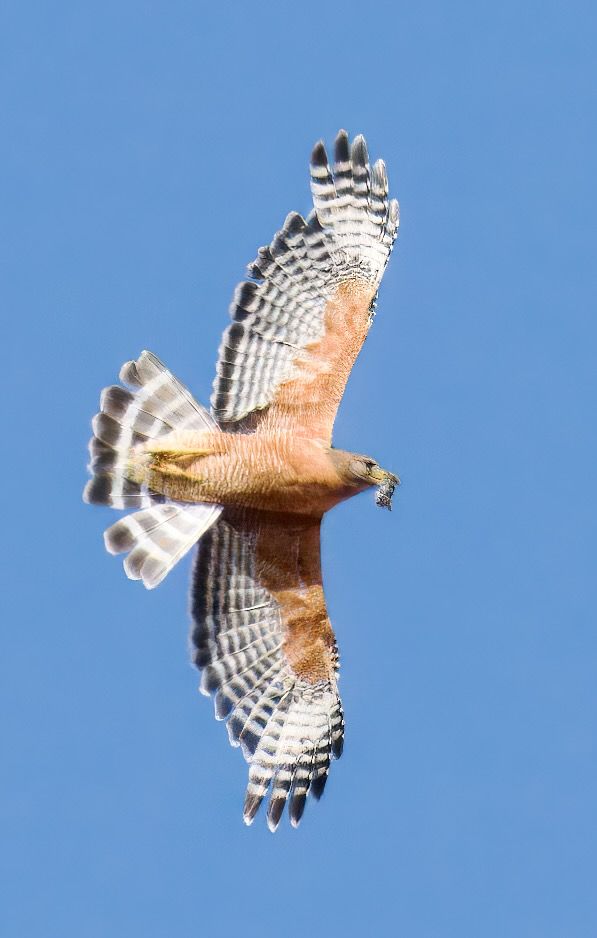
Red Shouldered Hawk
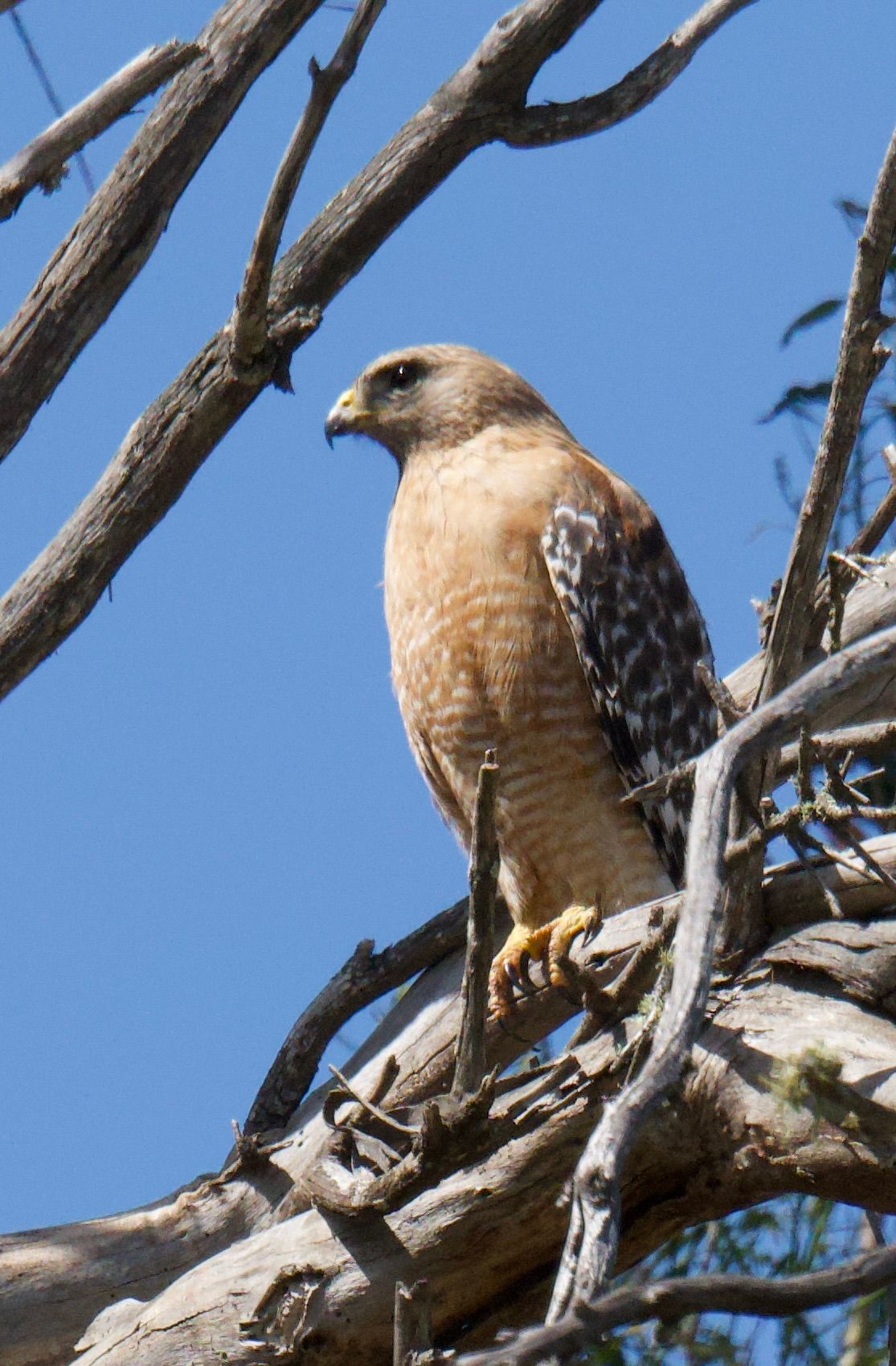
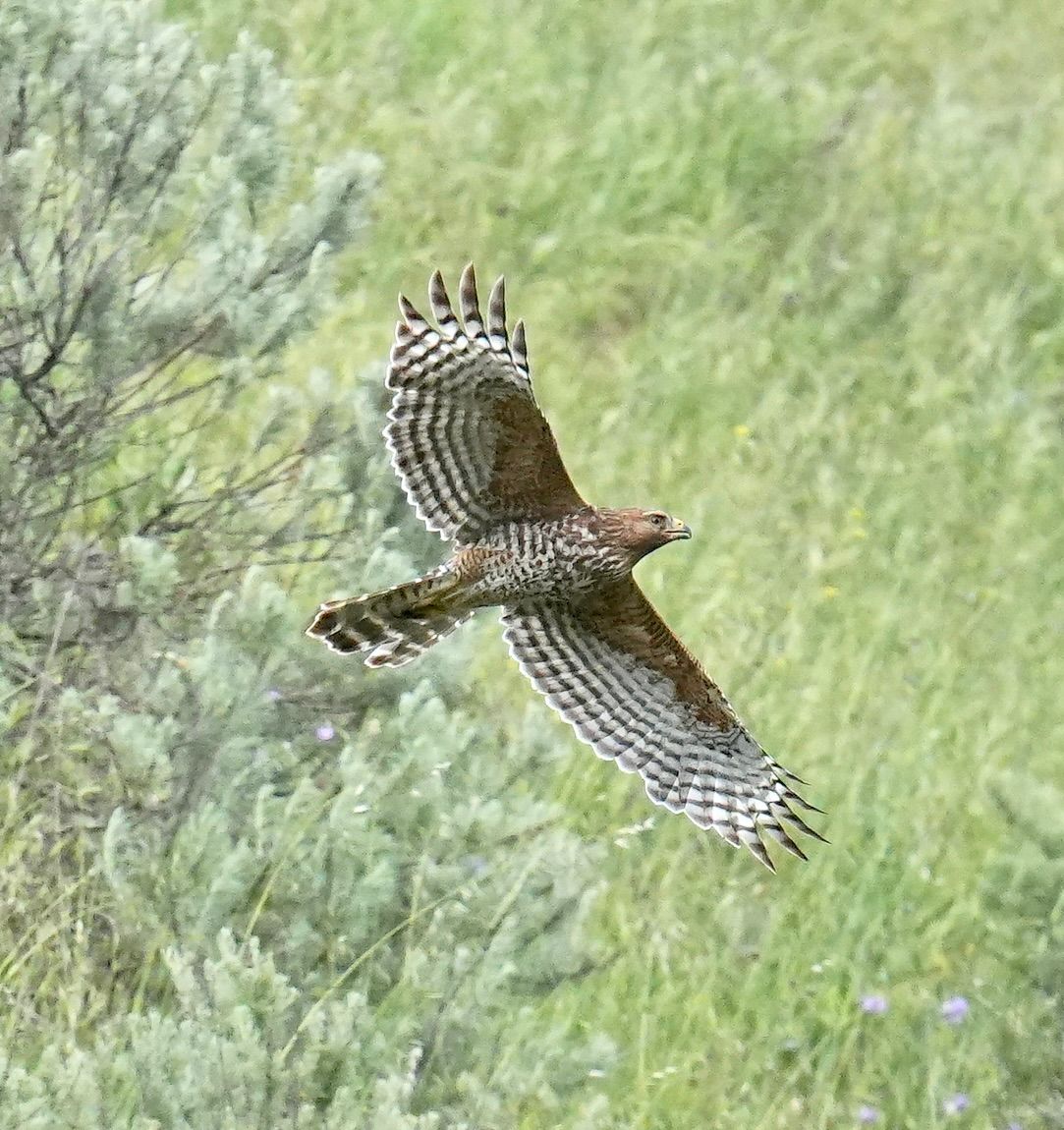
A vocal and dynamic hunter, the Red Shouldered Hawk is roughly a third smaller than its cousins the Red-tailed Hawk. Its piecing, gull like screech is remarkably directional. In the air, beautifully bejeweled upper wings, make this mid-sized raptor exceptionally striking as it hunts the coastal sage, grassland, and oak woodlands. Like all raptors it boldly defends both nesting and hunting territories. A specialized ambushed hunter, it typically selects a strategic perch that offers clear visibly across its hunting habitats.
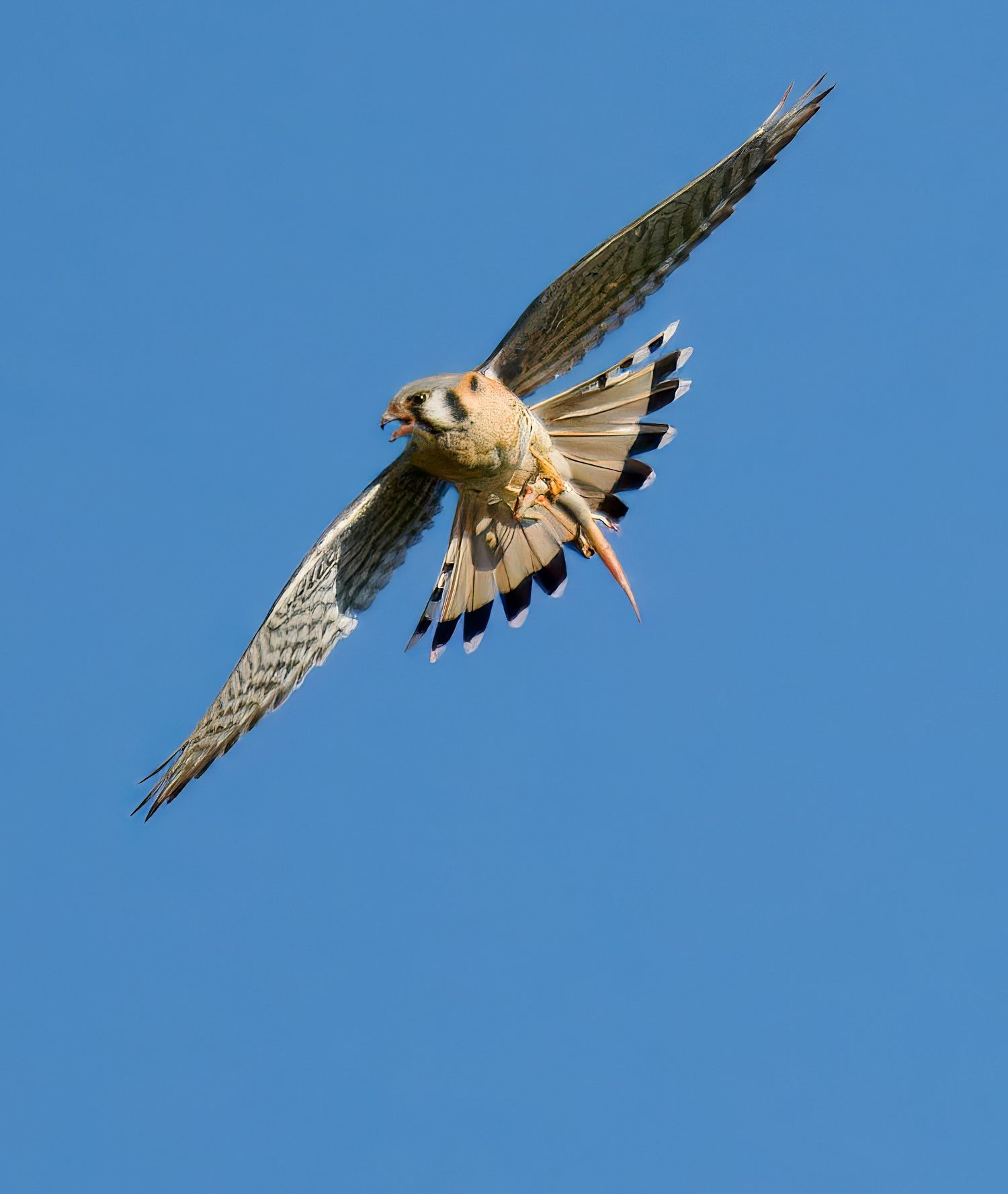
Kestrel
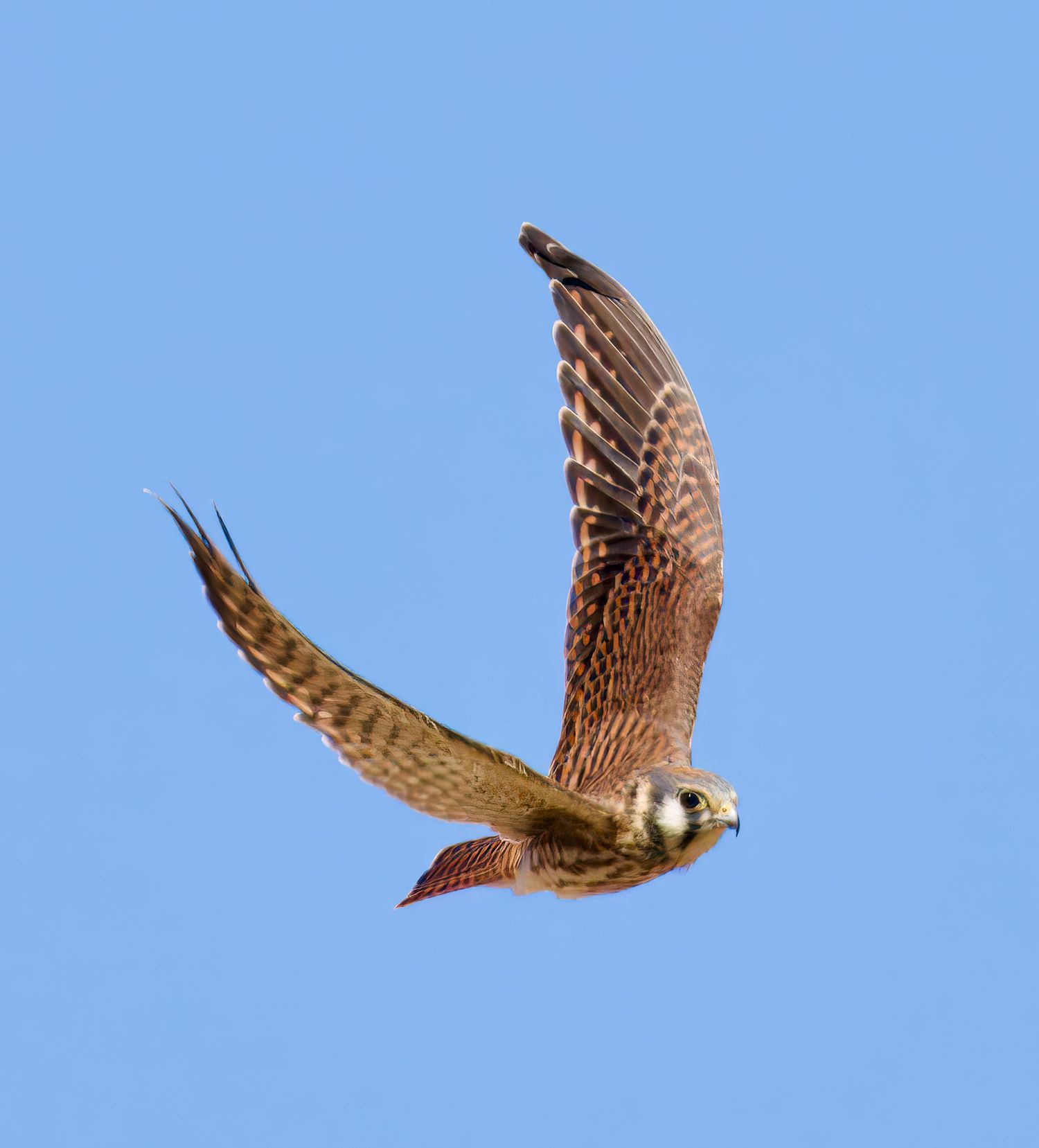
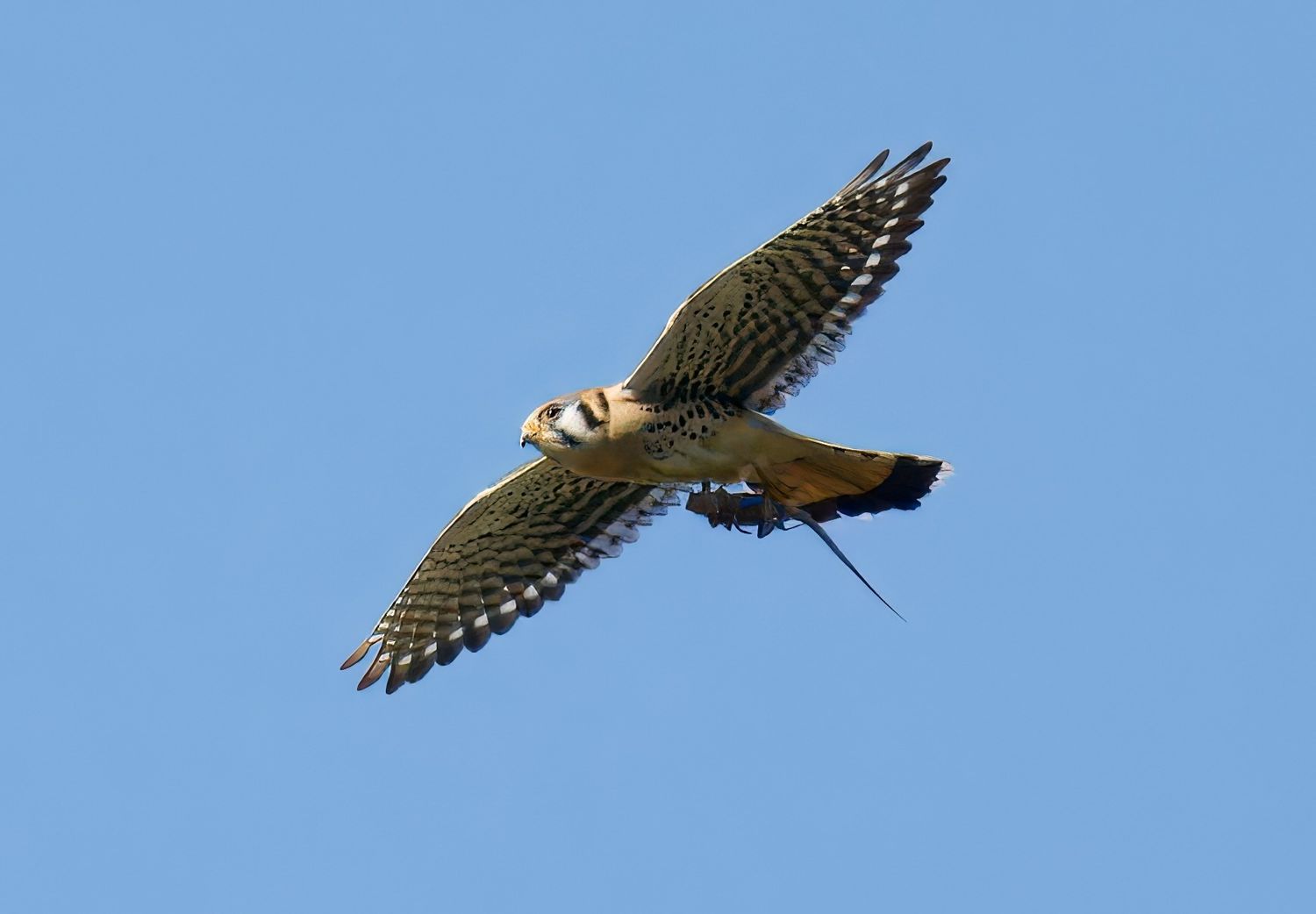
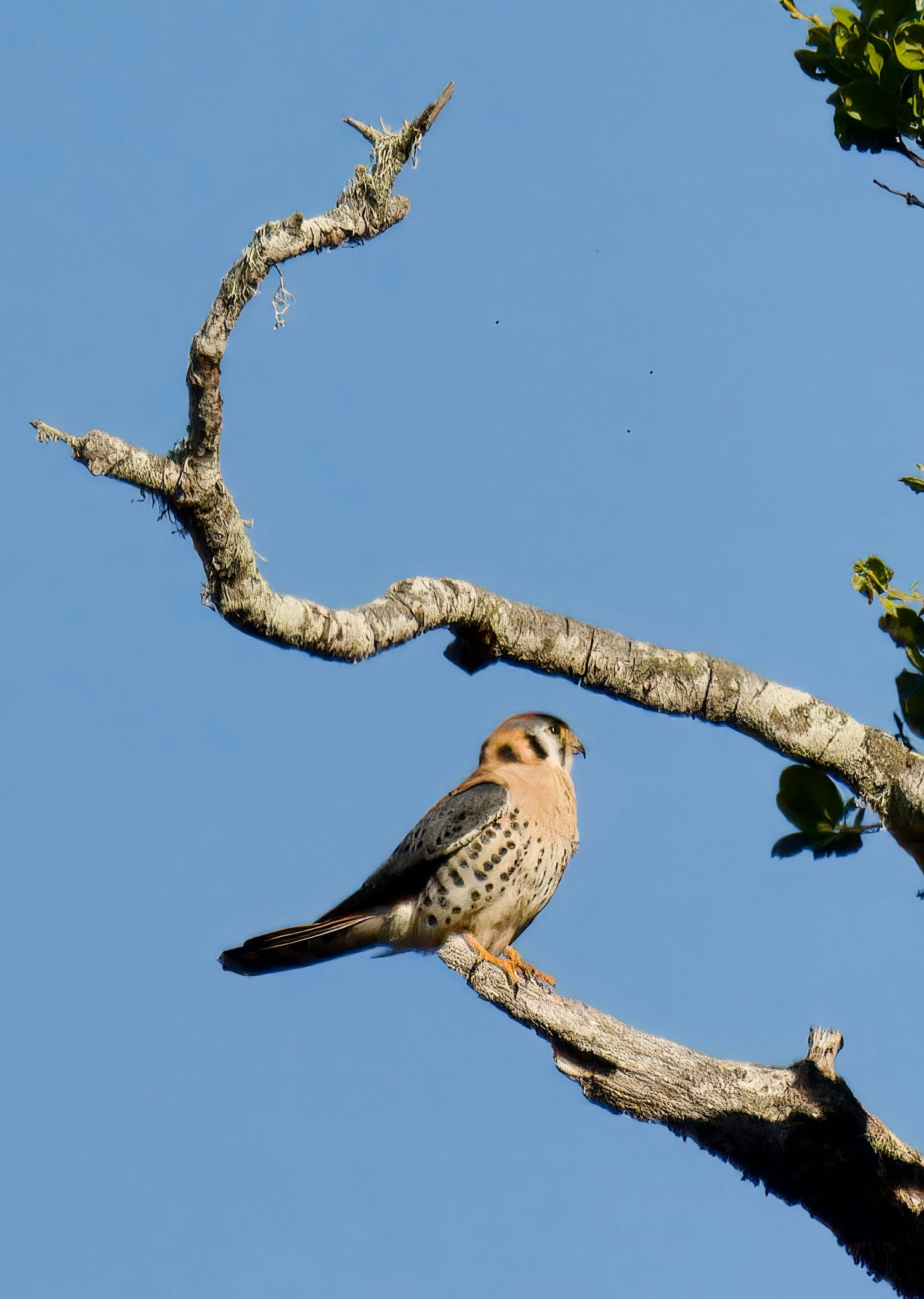
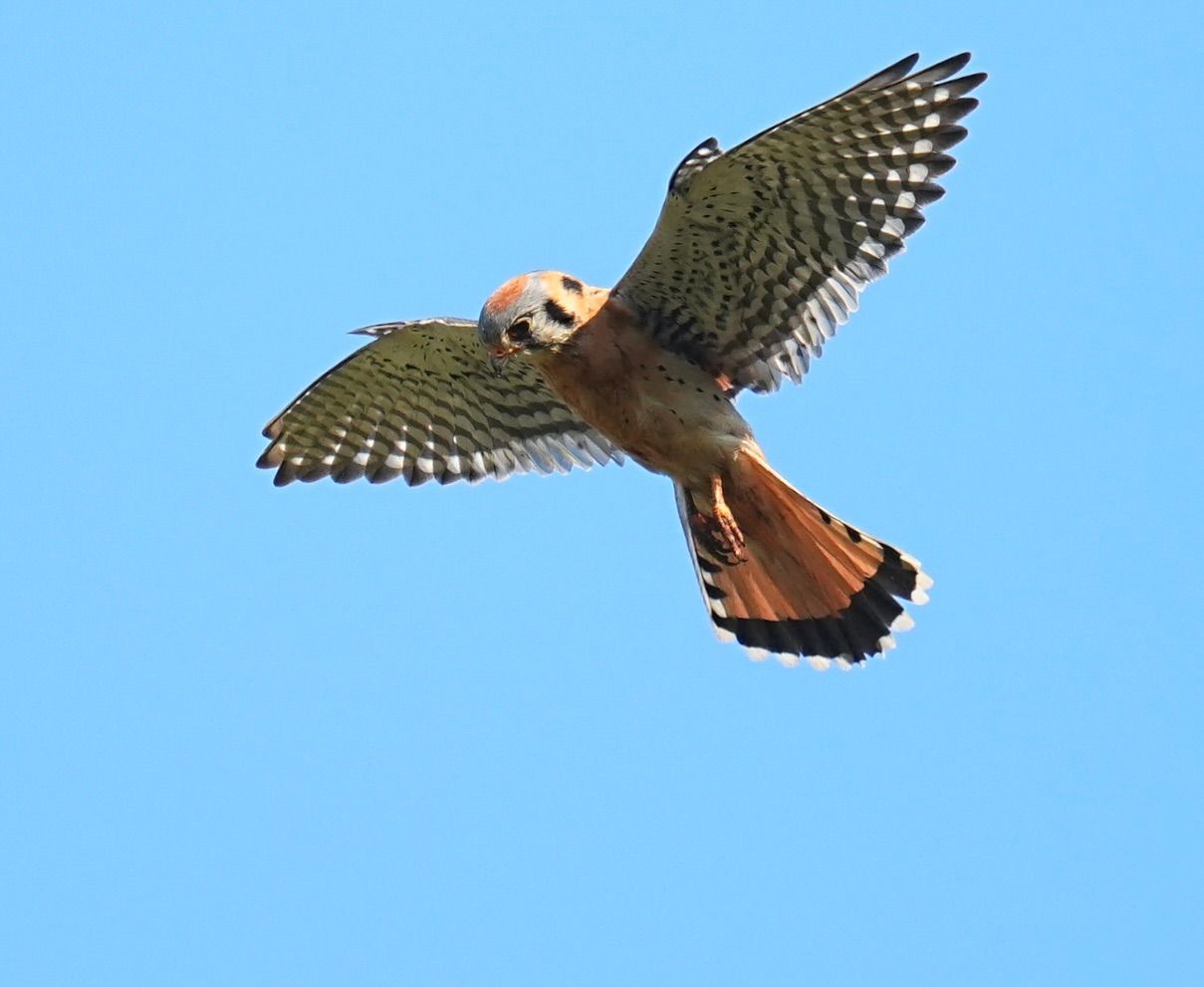
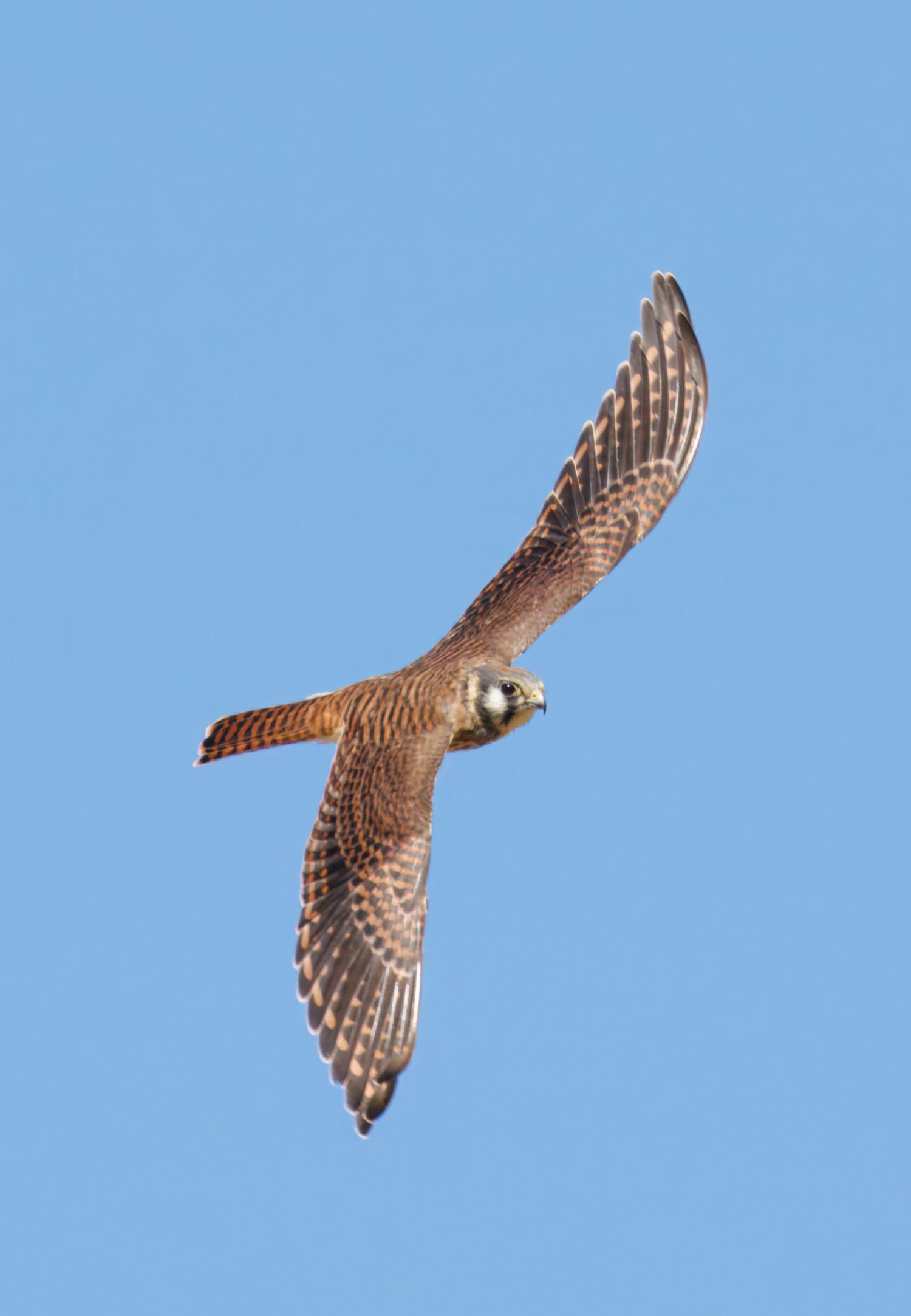
The smallest of our falcons, the American Kestrel is anything but diminutive when it comes to defending its territory. Wander too close to the nest and the rath of the American Kestrel can be merciless. Yet even this tiny warrior finds itself at risk of predation, forcing it to remain constantly on guard against larger raptors.
Peregrine
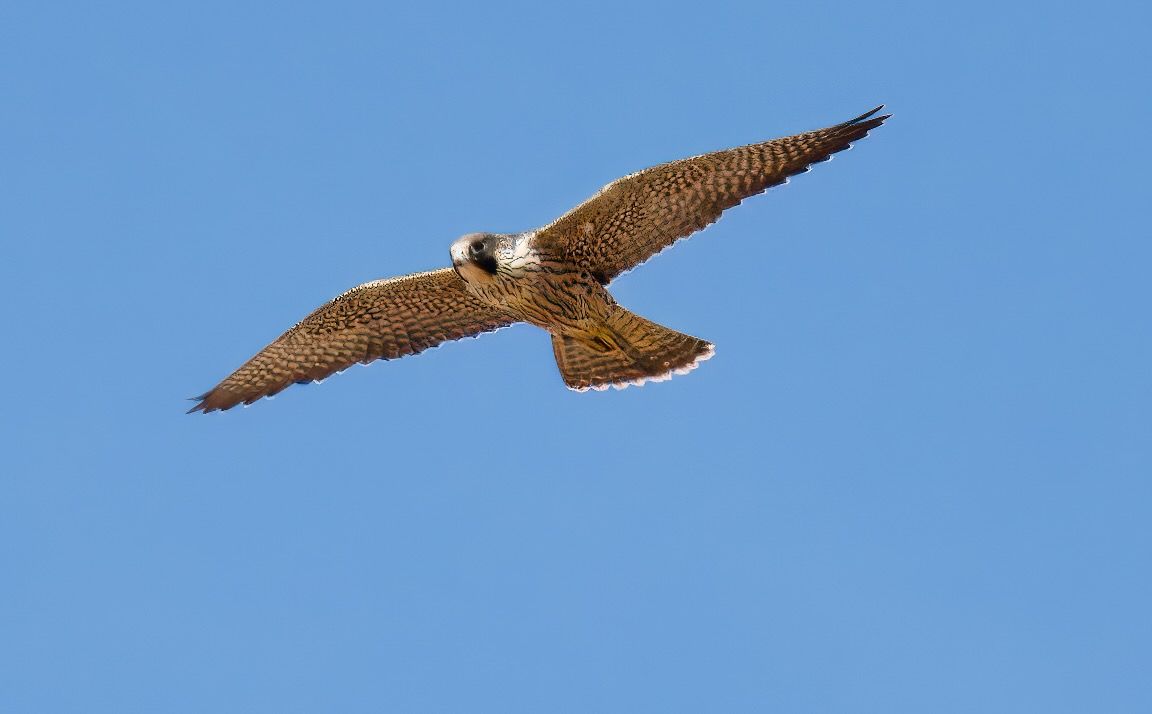
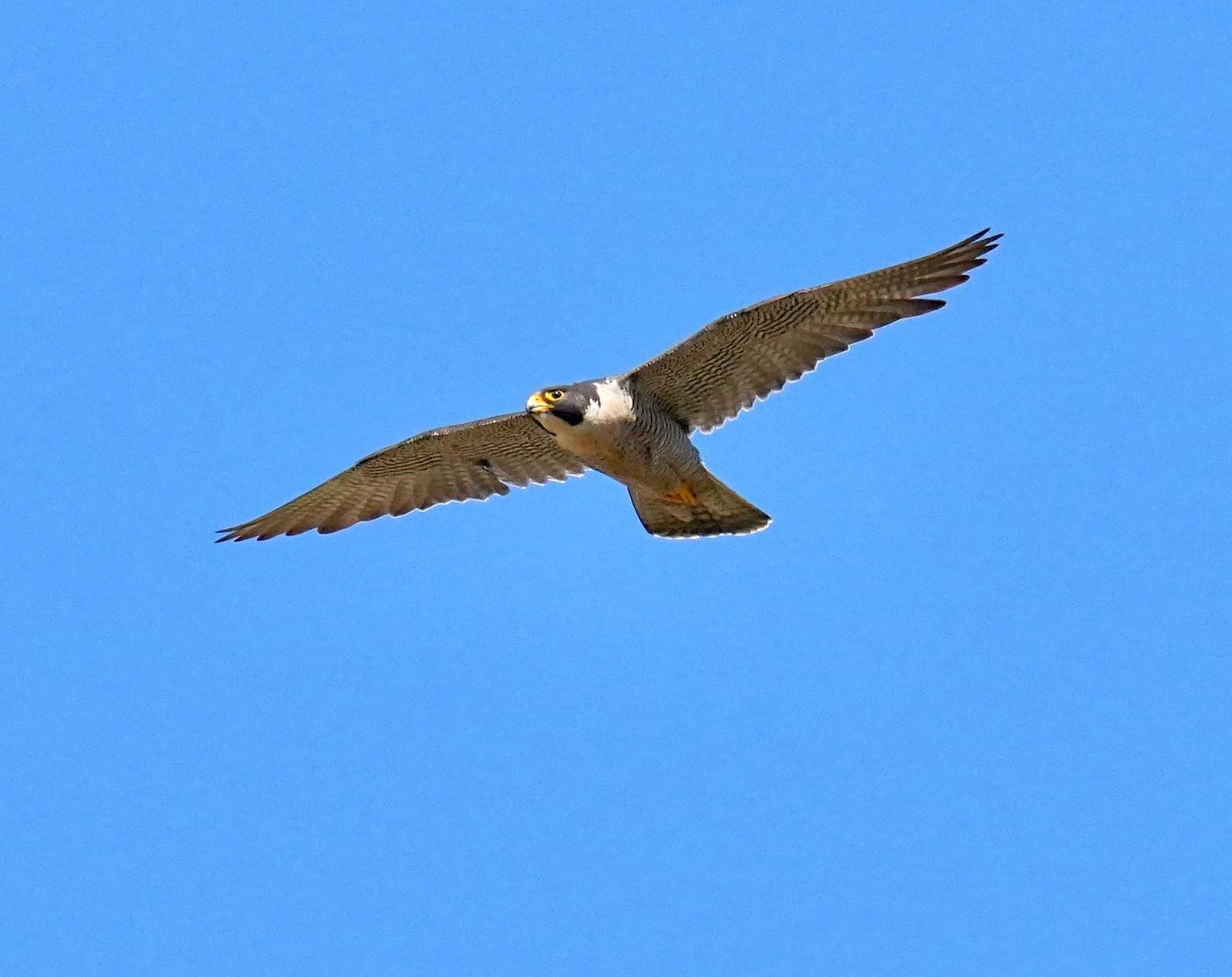
Known for its speed, the Peregrine Falcon defends both its airspace and nesting territories with gusto. The two photos-a junenile with heavy brown chest streaking and an adult displaying horizontal barring could be the same animal just one year apart. Because they are true cliff dwellers, it is rare to catch more than a fleeting glimpse of them in the wild. Having come closer to extinction than almost any other species in Calilifornia, they were ultimately saved by legal protection and the banning of DDT. Today, seeing one of these magnificent predators in its natural element is a profound privilege.